The hospitality industry is evolving faster than ever, and channel managers have become the backbone of modern hotel distribution. As we move through 2026, hoteliers face new challenges and opportunities in how they manage their online presence across booking platforms. Understanding the latest channel manager trends isn’t just about staying current; it’s about maximizing revenue, reducing manual work, and delivering seamless guest experiences. This guide explores the most important channel manager software trends shaping the industry right now and what they mean for your property.
AI-Powered Rate Optimization Takes Center Stage
Artificial intelligence has moved from buzzword to business necessity in 2026. Modern channel managers now integrate sophisticated AI algorithms that analyze market conditions, competitor pricing, and demand patterns in real time. These systems automatically adjust rates across all connected channels without human intervention, ensuring your property remains competitive 24/7.
The technology goes beyond simple rule-based pricing. Machine learning models now predict booking patterns weeks in advance, accounting for local events, weather forecasts, and historical trends. Hotels using AI-driven channel managers report revenue increases of 15 to 25 percent compared to manual pricing strategies. The systems learn from every booking decision, constantly refining their recommendations to match your property’s unique market position.
Direct Booking Integration Becomes Seamless
The battle between OTA commissions and direct bookings continues, but channel manager software trends in 2026 favor hoteliers more than ever. Today’s platforms offer sophisticated tools that promote direct bookings while maintaining OTA relationships. Rate parity management has become more intelligent, allowing dynamic adjustments that comply with agreements while encouraging guests to book directly.
Many channel managers now include built-in marketing automation that triggers personalized email campaigns to past guests and website visitors. These systems track the entire guest journey, from initial search to post-stay follow-up, creating opportunities to convert OTA browsers into direct bookers. The integration between channel managers and booking engines has reached a point where rate updates, availability changes, and promotional offers sync instantly across all platforms.
Multi-Property Management Gets Smarter
Hotel groups and property management companies handling multiple locations face unique challenges. The channel manager trends 2026 data shows a clear shift toward centralized dashboards that provide oversight without sacrificing property-level control. These systems allow revenue managers to monitor performance across entire portfolios while giving individual properties the flexibility to respond to local market conditions.
Bulk operations have become more sophisticated. You can now apply rate strategies, update room descriptions, or adjust policies across selected properties with a few clicks. The best systems recognize that not all properties are identical and allow customization within centralized frameworks. This balance between control and flexibility helps management companies maintain brand consistency while optimizing each property’s unique strengths.
Cross-Property Analytics Drive Better Decisions
Comparative analytics across properties reveal patterns that single-property views miss. Modern channel managers highlight which locations perform best on specific OTAs, which room types generate the highest margins, and where operational improvements could boost revenue. These insights help allocate marketing budgets more effectively and identify best practices worth replicating across the portfolio.
API Connectivity Expands Beyond Traditional OTAs
The distribution landscape has fragmented significantly. Beyond Booking.com and Expedia, hoteliers now connect with metasearch engines, alternative accommodation platforms, corporate booking tools, and niche travel sites. Channel managers in 2026 offer connectivity to hundreds of channels, and the number keeps growing.
This expansion creates both opportunities and complexity. More channels mean more potential guests, but managing inventory across dozens of platforms manually would be impossible. Modern channel managers handle this complexity through robust API connections that update in seconds rather than minutes. When a booking comes through any channel, all others reflect the change almost instantly, preventing overbookings and maintaining accurate availability.
Mobile-First Management Becomes Standard
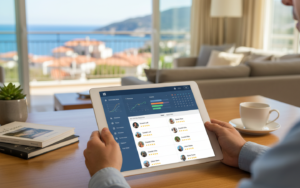
Revenue managers and hoteliers no longer sit at desks all day. The channel manager trends 2026 research shows that mobile access has transitioned from nice-to-have to essential. Today’s platforms offer full-featured mobile apps that let you adjust rates, check inventory, respond to booking issues, and monitor performance from anywhere.
The mobile interfaces aren’t just shrunk-down desktop versions. They’re designed specifically for on-the-go management, with quick-action buttons, push notifications for urgent issues, and simplified views that highlight what matters most. Some systems now include voice commands and chatbot assistants that let you check occupancy or adjust rates through natural language queries.
Real-Time Alerts Keep You Informed
Mobile channel managers send intelligent notifications about situations requiring attention. You’ll get alerts when competitors drop their prices significantly, when your property appears to be pricing itself out of the market, or when technical issues affect channel connectivity. These notifications help you respond quickly to changing conditions without constantly monitoring dashboards.
Sustainability Reporting Enters Channel Management
Environmental concerns have moved from peripheral to central in hospitality. Many OTAs now display sustainability credentials, and guests increasingly factor environmental practices into booking decisions. Channel managers in 2026 include features that help properties communicate their green initiatives across all distribution channels.
These tools let you highlight energy-efficient practices, waste reduction programs, and local sourcing commitments in standardized formats that OTAs recognize. Some channel manager software trends include carbon footprint calculators that estimate the environmental impact of each booking, information that appeals to eco-conscious travelers. As regulations around sustainability reporting tighten, having these capabilities built into your channel manager simplifies compliance.
Payment Processing Integration Reduces Friction
The lines between channel management and payment processing continue to blur. Modern systems now handle not just distribution but also payment collection, currency conversion, and reconciliation. This integration reduces the number of systems hoteliers need to manage and provides clearer financial visibility.
Virtual credit card processing has become more sophisticated, with automatic matching of payments to reservations and streamlined handling of modifications and cancellations. Multi-currency support now extends beyond simple conversion, offering guests the ability to pay in their preferred currency while you receive funds in yours, with transparent fee structures that protect margins.
Preparing Your Property for What’s Next
The channel manager trends 2026 landscape offers tremendous opportunities for hoteliers willing to adapt. The technology has matured to the point where even small properties can access enterprise-level capabilities at reasonable costs. The key is choosing systems that match your current needs while offering room to grow as your distribution strategy evolves.
Start by auditing your current channel mix and identifying gaps. Are you missing opportunities on emerging platforms? Could AI-powered pricing improve your revenue performance? Would mobile management help you respond faster to market changes? The answers will guide your technology decisions and help you prioritize investments that deliver the strongest returns. As channel manager software trends continue to advance, staying informed and adaptable will separate thriving properties from those struggling to keep pace.