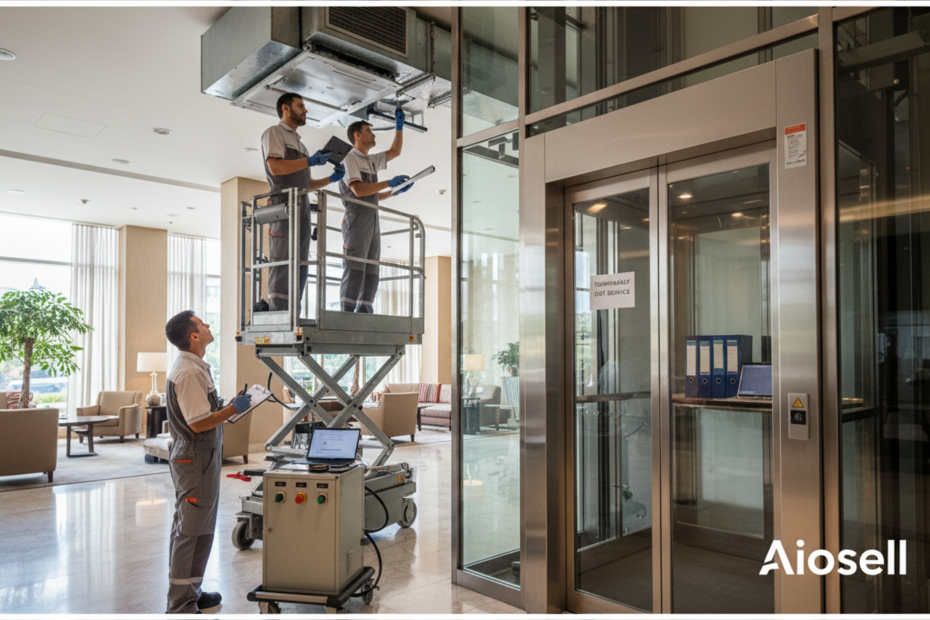
Hotel elevators operate throughout the day and support guests, employees, suppliers and service teams. A missed inspection, unresolved repair or expired certificate creates operational and safety concerns. Poor recordkeeping also makes vendor coordination difficult when managers need to confirm previous work or follow up on outstanding issues.
Elevator inspection records and vendor follow-ups help hotel operators maintain a clear history of inspections, repairs, certificates and contractor communication. US hotel owners, general managers and operations leaders need a consistent process to track deadlines, review vendor performance and confirm whether reported problems receive attention.
This guide explains how hotels should organise elevator records, coordinate service providers and evaluate technology for managing maintenance information.
Why Elevator Inspection Records Matter for Hotels
Elevators involve safety-critical mechanical and electrical systems. Hotels must follow applicable state and local requirements, inspection schedules and equipment maintenance instructions.
Incomplete records create several operational problems:
Missed inspection or renewal deadlines.
Delayed repairs and unresolved defects.
Difficulty confirming completed maintenance.
Repeated communication with vendors.
Limited visibility into service expenses.
Delays when preparing documents for inspections.
Unclear responsibility for follow-up actions.
A documented process helps management track each elevator’s condition and maintain communication with authorised inspection agencies and service providers.
Building an Elevator Inspection Records and Vendor Follow-Ups Checklist
A practical checklist should cover equipment details, inspection documents, service activity and outstanding actions. Hotels with multiple elevators should maintain separate records for each unit.
1. Create an Elevator Asset Register
Start with a central inventory of all elevators across the property.
Record the following details:
Elevator identification number.
Building and floor location.
Manufacturer and model.
Installation or commissioning date.
Equipment capacity.
Serial number.
Maintenance contractor.
Inspection agency details.
Applicable permit or certificate information.
Assign a unique identifier to each elevator. Use the same identifier across inspection reports, repair requests, invoices and vendor correspondence.
This approach helps managers locate relevant documents without reviewing unrelated service records.
2. Maintain Inspection Certificates and Reports
Keep current inspection documents in an organised location. Each record should identify the elevator, inspection date, inspector and inspection outcome.
Include:
Inspection certificates.
Periodic inspection reports.
Defect or violation notices.
Corrective action reports.
Approval or renewal documents.
Supporting correspondence.
Follow-up inspection results.
Record certificate expiry dates and upcoming inspection deadlines. Assign responsibility for checking these dates and arranging required inspections.
Requirements differ across US states and local jurisdictions. Hotel operators should confirm applicable rules with the relevant authority having jurisdiction and qualified elevator professionals.
3. Record Maintenance Visits and Repairs
Every vendor visit should produce a clear service record.
Include the date of attendance, technician details, elevator identification, reported problem, work completed and recommendations.
For repair work, also record:
Fault description.
Reported date.
Service request reference.
Parts repaired or replaced.
Equipment downtime.
Temporary restrictions.
Completion confirmation.
Recommended follow-up date.
Avoid closing a repair record based only on a verbal update. Request written confirmation and supporting service documentation.
4. Track Outstanding Defects
Inspection reports often identify items requiring corrective work. Hotels should transfer each finding into an action register.
A useful action register includes:
Field | Information required |
Elevator ID | Unit or equipment reference |
Defect | Description from the inspection report |
Priority | Urgency based on professional assessment |
Responsible party | Assigned vendor or internal contact |
Target date | Agreed completion date |
Current status | Open, in progress or completed |
Evidence | Service report or completion document |
Verification | Confirmation from the authorised party |
Management should review open items regularly. Safety-related findings require prompt attention and follow-up under applicable procedures.
Best Practices for Vendor Follow-Ups
A reliable vendor process helps hotels avoid missed communication and unresolved service requests.
Establish Clear Vendor Responsibilities
Maintain an approved vendor contact list for each elevator.
Record:
Company name and service contact.
Emergency contact number.
Contract reference.
Service coverage.
Agreed response arrangements.
Inspection responsibilities.
Escalation contact.
Contract renewal date.
Confirm the scope of each service agreement. Inspection, maintenance, repair and certification responsibilities might involve different organisations.
Set Follow-Up Deadlines
Every outstanding request should have an assigned owner and target date.
For example, when an inspection report identifies a defect, the hotel should record the finding, send the relevant details to the responsible vendor and request a proposed completion date.
Follow up when the agreed date approaches. If the vendor has not responded, escalate the request through the agreed contact process.
Do not rely on email reminders alone. Maintain a central record of communication and status updates.
Review Vendor Performance
Hotel management should evaluate vendors using documented service information rather than informal impressions.
Useful performance measures include:
Response time to service requests.
Time taken to complete repairs.
Number of repeat faults.
Missed service appointments.
Outstanding inspection findings.
Quality of service documentation.
Accuracy of invoices.
Compliance with agreed contract terms.
Review these measures during contract renewals and periodic vendor meetings. Repeated delays or incomplete reports deserve further discussion.
Maintain a Clear Communication Process
Front-desk employees often receive the first report of an elevator problem. They need a clear route for notifying maintenance personnel and management.
The reporting process should capture the affected elevator, time of the report, nature of the problem and immediate action taken.
Hotel teams should avoid diagnosing technical faults. Authorised elevator professionals should assess equipment problems and confirm when a unit is safe to return to service.
How to Organise Elevator Maintenance Records Across Multiple Properties
Hotel groups often operate several buildings or locations. Each property needs accurate local records, while management requires a consistent reporting structure.
A central reporting format should include:
Property name and location.
Elevator identification details.
Inspection status.
Upcoming certificate deadlines.
Open defects.
Vendor service activity.
Repair expenditure.
Outstanding follow-ups.
Use consistent naming conventions across properties. This makes monthly reviews easier and reduces confusion when teams share information.
For hotels operating across different US states, maintain jurisdiction-specific compliance records. Inspection requirements and certificate procedures differ by location.
Evaluating Software for Elevator Record Management
Hotel operators reviewing digital systems should assess how each platform supports maintenance documentation and vendor coordination.
Hotel management software provides value when managers need access to connected operational information. When evaluating a solution, check whether reporting, document storage, reminders and integration options match the hotel’s requirements.
A dedicated maintenance management platform might offer equipment registers, scheduled inspections, work orders, vendor records and automated reminders. Confirm these functions during product demonstrations rather than assuming they come with every hotel technology platform.
Aiosell provides connected hotel technology for reservations, front-desk operations and revenue management. Hotels should assess its available integrations alongside their specialist maintenance requirements.
Coordinating Elevator Issues with Front-Desk Operations
An elevator outage affects guest movement, room access and service delivery. Front-desk teams need accurate updates from maintenance personnel.
A Hotel front-desk management system supports guest-facing operations by helping teams coordinate relevant information and service procedures. Hotels should establish a separate communication process for elevator closures, alternative access arrangements and guest assistance.
A Hotel property management system also supports reservation and room-related operations when building access restrictions affect guest arrangements. Managers should confirm the available functions and integrations before selecting a platform.
Aiosell supports connected front-desk and reservation operations. Property teams should maintain approved emergency procedures and rely on authorised elevator professionals for technical decisions.
Conclusion
Accurate records and consistent vendor communication help hotels manage elevator inspections, repairs and compliance responsibilities. Managers should maintain equipment registers, track certificate deadlines, document service visits and review unresolved defects.
Elevator inspection records and vendor follow-ups should form part of the property’s regular maintenance review process. Clear responsibilities and documented evidence help hotel teams identify delays and maintain better oversight of service providers.
Aiosell supports connected hotel operations through reservation and front-desk technology, while specialist elevator maintenance requires dedicated records and qualified service professionals.
Frequently Asked Questions
What should hotels include in elevator inspection records?
Records should include equipment details, inspection certificates, inspection dates, findings, defect notices, corrective actions, service reports and follow-up confirmation. Each document should identify the relevant elevator.
How often should hotel elevators receive inspections?
Inspection frequency depends on the elevator type, applicable state and local requirements, and the authority having jurisdiction. Hotels should confirm their inspection schedule with qualified elevator professionals.
Who is responsible for arranging hotel elevator inspections?
Responsibility usually sits with the property owner or designated management representative, subject to local requirements and contractual arrangements. Hotels should confirm responsibilities with their elevator contractor and relevant authority.
How should hotels track unresolved elevator defects?
Maintain an action register with the defect description, responsible vendor, target date, current status and completion evidence. Review open items regularly and escalate overdue safety-related findings.
What should hotel operators review when selecting an elevator maintenance vendor?
Review qualifications, service coverage, emergency response arrangements, contract terms, inspection responsibilities, reporting standards and previous service performance. Confirm the vendor’s authorisation for the work required.
Should hotels use software to manage elevator inspection records?
Digital systems help organise inspection documents, track deadlines and review service history. Hotels should confirm whether the selected platform supports specialist maintenance functions or requires integration with a dedicated maintenance system.