A hotel air conditioner starts requiring frequent repairs. The kitchen refrigerator consumes more electricity than expected. Guestroom furniture begins showing signs of wear. Should the hotel replace these assets or continue maintaining them?
Hotel owners regularly face these decisions. Replacing equipment too early increases capital expenditure, while delaying replacement often increases maintenance costs and operational disruptions.
A structured approach to hotel asset replacement using lifecycle costs helps hotel owners evaluate these decisions. Instead of considering only the purchase price, hotels assess the total cost of owning and operating equipment throughout its useful life.
For Indian hotels, this approach supports better budgeting, maintenance planning and long-term operational efficiency.
What Are Lifecycle Costs in Hotel Asset Management?
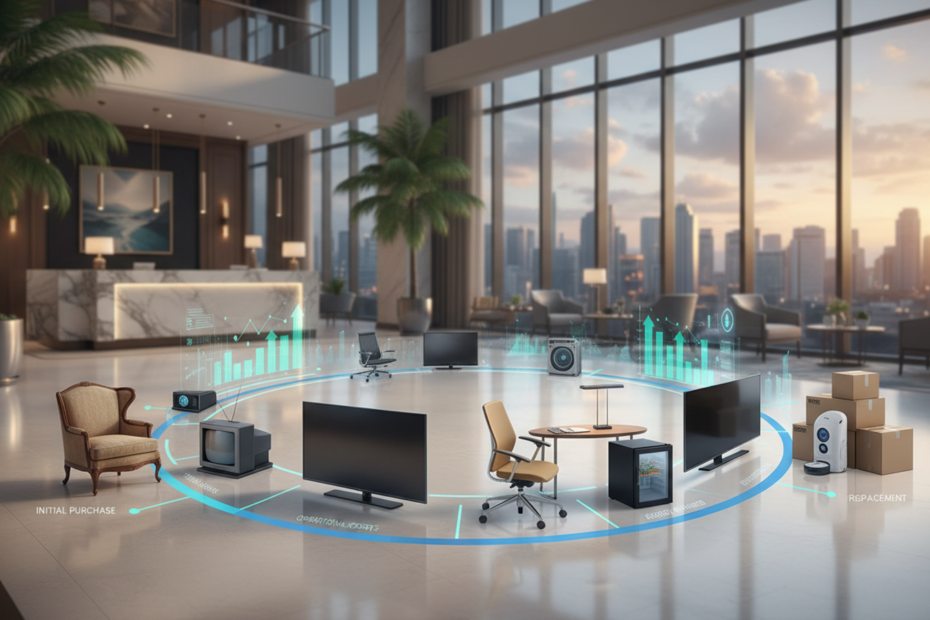
Lifecycle costs refer to the total expenses associated with an asset from purchase and installation through operation, maintenance and eventual replacement.
For example, purchasing a commercial air conditioning unit involves more than the initial equipment cost. Hotels must also consider electricity consumption, servicing, spare parts, repairs and potential downtime.
A hotel asset’s lifecycle cost generally includes:
Initial purchase and installation expenses.
Electricity, water and other operating costs.
Routine maintenance and servicing.
Repairs and spare parts.
Replacement costs.
Disposal or removal expenses.
Understanding these expenses helps hotel management compare different equipment options. An asset with a lower purchase price might have higher operating expenses over time.
Why Indian Hotels Need a Lifecycle-Based Replacement Strategy
Indian hotels operate under different conditions depending on their location, property size and guest requirements.
A coastal property might experience faster equipment deterioration due to humidity and corrosion. Hotels in warmer regions often operate air conditioning systems for extended periods. Properties in busy commercial locations might experience heavier equipment usage.
These conditions influence maintenance requirements and asset life.
A lifecycle-based replacement strategy helps hotels address several operational challenges.
1. Control Rising Maintenance Expenses
Older equipment often requires frequent servicing and replacement parts. Individual repair bills might appear manageable, but repeated expenses increase the annual maintenance budget.
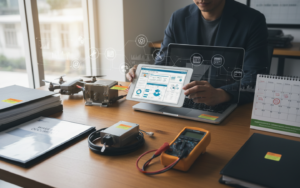
Hotel operators should track repair frequency and maintenance expenditure for each major asset.
When annual repair costs increase consistently, management should compare continued maintenance against replacement.
2. Manage Energy Consumption
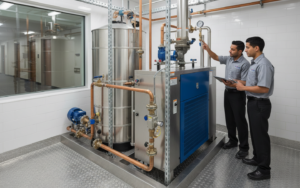
Older HVAC systems, refrigerators, boilers and kitchen equipment might consume more electricity than newer alternatives.
Energy consumption directly affects hotel operating expenses. Management should compare equipment efficiency, operating hours and expected energy savings before approving replacement.
This is particularly relevant for Indian hotels with substantial cooling and refrigeration requirements.
3. Reduce Operational Disruptions
Equipment failures affect daily hotel operations.
A faulty laundry machine delays linen availability. A kitchen equipment failure disrupts food preparation. An air conditioning breakdown affects guest comfort.
Replacement planning helps hotel teams identify ageing equipment before unexpected failures interrupt services.
4. Improve Capital Expenditure Planning
Replacing several assets simultaneously puts pressure on hotel budgets.
A lifecycle-based approach helps management prioritise equipment according to condition, operating costs and business importance.
Hotels can spread replacement expenditure across financial years and prepare more realistic capital expenditure budgets.
How to Plan Hotel Asset Replacement Using Lifecycle Costs
Hotel owners and operations leaders should follow a structured evaluation process before replacing major equipment.
1. Prepare a Complete Asset Inventory
Start by recording all major hotel assets.
Include equipment across guest rooms, kitchens, laundry facilities, HVAC systems, electrical installations and common areas.
Record the following information:
Asset name and identification number.
Purchase and installation date.
Original purchase cost.
Expected useful life.
Maintenance history.
Repair expenses.
Current operating condition.
A centralised asset register gives management a clear view of existing equipment and upcoming replacement requirements.
2. Calculate the Total Cost of Ownership
Compare the purchase price with the expenses associated with operating and maintaining the asset.
For example, consider two commercial refrigeration units.
Unit A costs less initially but requires frequent servicing. Unit B costs more but offers better energy efficiency and lower maintenance requirements.
The hotel should compare both options over an appropriate evaluation period.
A simple lifecycle cost calculation is:
Total Lifecycle Cost = Purchase Cost + Installation Cost + Operating Cost + Maintenance Cost + Repair Cost + Disposal Cost.
Hotels should also consider the time value of money when comparing long-term investments. Discounted cash flow analysis provides a more accurate comparison of expenses occurring across different years.
3. Evaluate Asset Condition and Performance
Age alone should not determine replacement decisions.
An older asset with consistent performance might offer better value than newer equipment requiring frequent repairs.
Evaluate:
Frequency of equipment breakdowns.
Annual maintenance expenditure.
Energy consumption.
Availability of spare parts.
Equipment performance.
Impact of downtime on hotel operations.
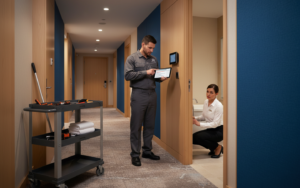
Maintenance teams should document these observations during regular inspections.
4. Compare Repair and Replacement Costs
Before approving a replacement, compare the cost of repairing existing equipment against purchasing a new unit.
Consider the expected repair cost, remaining useful life and future operating expenses.
If an asset requires repeated expensive repairs and continues consuming significant energy, replacement might offer better long-term value.
The decision should also account for equipment reliability and the operational impact of another breakdown.
5. Prioritise Assets Based on Business Impact
Not every ageing asset requires immediate replacement.
Hotels should prioritise equipment based on its importance to daily operations.
For example:
High priority: HVAC systems, kitchen refrigeration and critical electrical equipment.
Medium priority: Laundry machinery and guestroom appliances.
Planned replacement: Furniture, decorative fittings and non-critical equipment.
This classification helps management allocate available budgets effectively.
Hotel Asset Replacement Using Lifecycle Costs Checklist
Hotel operations teams should review the following points before approving an asset replacement:
Evaluation Area | What to Check |
Asset condition | Age, physical condition and performance |
Purchase cost | New equipment price and installation expenses |
Energy consumption | Current and expected electricity usage |
Maintenance | Annual servicing and repair expenditure |
Reliability | Breakdown frequency and downtime |
Replacement priority | Impact on guests and hotel operations |
Supplier support | Warranty, spare parts and service availability |
Financial planning | Budget availability and expected savings |
Disposal | Removal and disposal expenses |
Following this hotel asset replacement using lifecycle costs checklist helps management make decisions based on financial and operational requirements.
Best Practices for Long-Term Hotel Asset Management
A consistent asset management process helps hotels avoid unexpected replacement expenses.
Maintain Digital Asset Records
Store asset details, maintenance schedules, invoices and repair history in a centralised system. Digital records help operations teams identify recurring problems and track equipment performance.
Schedule Preventive Maintenance
Follow manufacturer-recommended servicing schedules. Regular inspections help identify developing faults before they lead to expensive breakdowns.
Review Asset Performance Annually
Compare actual operating expenses against previous budgets. Review energy consumption, maintenance costs and equipment reliability to identify assets requiring replacement.
Coordinate Operations and Finance Teams
Maintenance teams understand equipment condition, while finance teams evaluate expenditure and investment priorities.
Regular coordination helps both departments make informed replacement decisions.
Include Replacement Costs in Annual Budgets
Prepare an annual asset replacement plan based on equipment condition, remaining useful life and projected expenditure.
This reduces the need for sudden capital allocation when critical equipment fails.
How Technology Supports Better Hotel Asset Management
Hotel management involves coordinating several operational activities, from reservations and front desk operations to housekeeping and maintenance.
Technology helps hotel teams organise operational information and reduce repetitive administrative work.
Aiosell provides hotel management technology designed to simplify hotel operations through integrated systems and automation.
When hotels organise their operational processes, management teams gain more time to focus on maintenance coordination, cost monitoring and guest experience.
For hotels evaluating hotel asset replacement using lifecycle costs, operational visibility and accurate recordkeeping form important parts of long-term planning.
Conclusion
Hotel asset replacement requires more than comparing equipment prices. Owners and operations leaders must evaluate maintenance expenses, energy consumption, equipment reliability and operational requirements.
A structured lifecycle cost approach helps Indian hotels identify replacement priorities and distribute capital expenditure more effectively.
Regular asset reviews, preventive maintenance and financial planning support better long-term decisions.
With Aiosell, hotels also gain access to technology designed to simplify everyday hotel management and improve operational efficiency. Combining organised hotel operations with disciplined asset planning helps management maintain better control over operating expenses.
Frequently Asked Questions
1. What are lifecycle costs in hotel asset management?
Lifecycle costs include all expenses associated with an asset, from purchasing and installation to operation, maintenance, repairs and final disposal.
2. When should a hotel replace its equipment?
Hotels should consider replacement when repair expenses increase, equipment performance declines, energy consumption becomes excessive or breakdowns regularly disrupt operations.
3. How does lifecycle costing help hotel owners?
Lifecycle costing helps hotel owners compare long-term equipment expenses, plan capital investments and identify replacement opportunities based on total ownership costs.
4. Which hotel assets require regular replacement planning?
HVAC systems, refrigeration units, kitchen equipment, laundry machinery, electrical installations, guestroom appliances and furniture require regular condition assessments.
5. How often should hotels review their asset replacement plans?
Hotels should review asset conditions and maintenance expenses regularly. An annual replacement budget review helps management update priorities and prepare for upcoming investments.