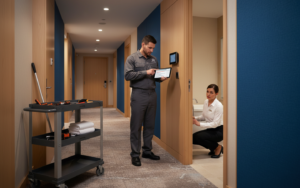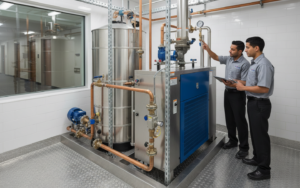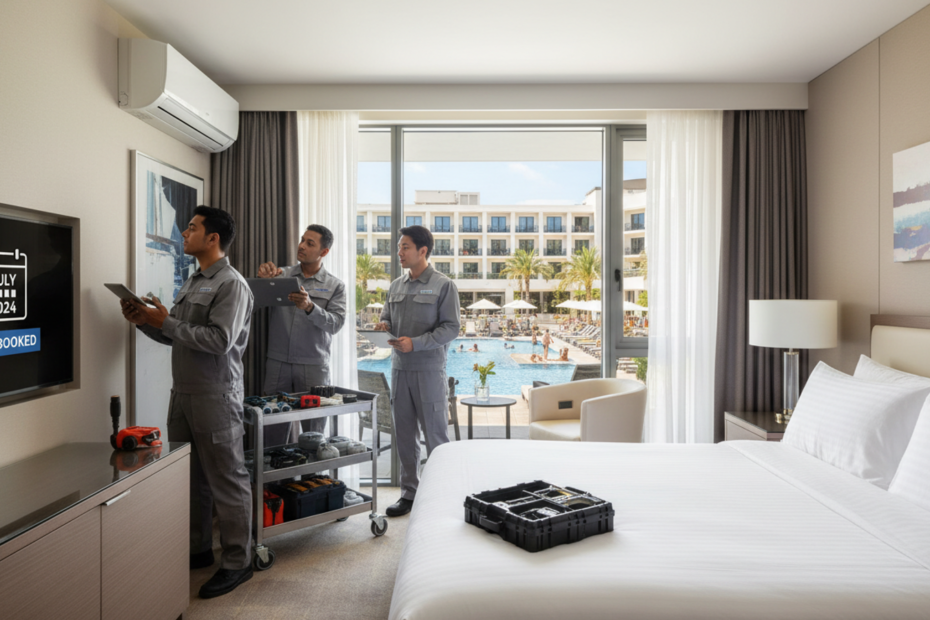
A hotel operating at 95% occupancy has limited room availability for maintenance activities. A plumbing issue in a guestroom, an air conditioning failure or a kitchen equipment breakdown requires immediate attention. Delayed repairs affect guest comfort and place additional pressure on hotel staff.
Planning maintenance during high-occupancy periods requires coordination between housekeeping, engineering and front desk teams. Hotels must address equipment problems without disrupting guest services or daily operations.
For Indian hotels, this becomes particularly important during holiday seasons, wedding periods, festivals and peak travel months. A structured maintenance approach helps hotel owners maintain operational standards while managing increased guest demand.
Why Maintenance Planning Matters During Peak Occupancy
High occupancy increases the workload across different hotel departments. Guestrooms experience more frequent use, laundry operations handle larger volumes and kitchen equipment operates for longer hours.
These conditions increase the possibility of equipment failures and maintenance requirements.
Without proper planning, hotels face several operational challenges.
1. Increased Equipment Usage
Air conditioning systems, elevators, water heaters and kitchen equipment operate for extended periods during busy seasons.
Continuous usage increases equipment wear and maintenance requirements. Regular inspections help engineering teams identify early signs of equipment problems.
2. Limited Maintenance Windows
During peak occupancy, hotels have fewer vacant rooms available for repairs.
Maintenance teams must coordinate with housekeeping and front desk staff to identify suitable time slots. Planned maintenance reduces unnecessary interruptions to guest services.
3. Greater Pressure on Hotel Staff
Higher guest volumes increase responsibilities across housekeeping, engineering and front desk departments.
Without clear task allocation, maintenance requests might remain unresolved. Proper coordination helps teams respond to urgent issues without affecting other responsibilities.
4. Greater Impact of Equipment Failures
An equipment failure during low occupancy might affect a limited number of guests. During peak occupancy, the same problem might disrupt several rooms or hotel facilities.
Hotels should prioritise critical systems such as HVAC, elevators, electrical installations, plumbing and kitchen equipment.
How to Manage Maintenance During High-Occupancy Periods
Hotels need a maintenance plan that balances equipment reliability with guest requirements. The following practices help operations leaders manage maintenance activities during busy periods.
1. Complete Preventive Maintenance Before Peak Seasons
Hotels should schedule major maintenance activities before expected occupancy increases.
Inspect air conditioning systems, elevators, water pumps, electrical panels, plumbing installations and kitchen equipment.
Complete necessary servicing and repairs before guest demand increases.
For Indian properties, maintenance schedules should account for seasonal requirements. For example, hotels should inspect cooling systems before summer and review heating and hot water equipment before colder months.
2. Classify Maintenance Requests by Priority
Not every maintenance issue requires immediate attention.
Engineering teams should classify requests according to urgency and their impact on hotel operations.
A practical classification includes:
Critical: Electrical faults, major water leakage, elevator failures and HVAC breakdowns affecting occupied rooms.
High priority: Plumbing problems, refrigeration issues and equipment faults affecting essential services.
Routine: Minor furniture repairs, painting and cosmetic improvements.
Planned: Preventive servicing and non-urgent equipment inspections.
This classification helps teams allocate resources according to operational requirements.
3. Coordinate Maintenance with Housekeeping
Housekeeping teams know room occupancy status and cleaning schedules. Engineering teams need this information to plan maintenance without disturbing guests.
Daily coordination helps identify vacant rooms suitable for inspections and repairs.
For example, a room scheduled for checkout and cleaning provides an opportunity to inspect bathroom fittings, electrical switches and air conditioning systems.
This reduces the need for maintenance visits while guests occupy rooms.
4. Monitor Critical Equipment Regularly
Engineering teams should monitor equipment that directly affects guest comfort and essential hotel services.
Important areas include:
HVAC systems and ventilation.
Elevators and escalators.
Water pumps and plumbing.
Electrical panels and backup generators.
Kitchen refrigeration equipment.
Laundry machinery.
Fire safety installations.
Maintain inspection records and document recurring faults. These records help teams identify equipment requiring additional attention.
5. Maintain Essential Spare Parts
Waiting for replacement parts during peak occupancy increases equipment downtime.
Hotels should maintain an inventory of commonly required spare parts based on equipment type and previous repair history.
Examples include electrical components, plumbing fittings, air conditioning filters, belts and commonly used mechanical parts.
Engineering managers should review stock levels before major occupancy periods.
6. Prepare an Emergency Maintenance Response Plan
Unexpected equipment failures require quick coordination.
Hotels should establish clear responsibilities for reporting, assigning and resolving maintenance requests.
The response plan should include:
Emergency contact details for engineering staff.
Escalation procedures for critical equipment failures.
Approved external service providers.
Availability of essential spare parts.
Alternative arrangements for affected guests.
A clear response process reduces confusion and helps teams address problems efficiently.
Maintenance During High-Occupancy Periods Checklist
Hotel owners and operations leaders should review the following checklist before and during peak occupancy.
Maintenance Area | Required Action |
HVAC systems | Inspect filters, cooling performance and drainage |
Electrical systems | Check panels, wiring and backup power |
Plumbing | Inspect pipelines, taps, drainage and water pumps |
Elevators | Complete scheduled inspections and servicing |
Kitchen equipment | Check refrigeration and cooking equipment |
Laundry facilities | Inspect washing machines and dryers |
Guestrooms | Check lighting, fittings and bathroom fixtures |
Spare parts | Maintain essential replacement components |
Staff coordination | Assign maintenance responsibilities |
Emergency planning | Confirm escalation contacts and response procedures |
Following a maintenance during high-occupancy periods checklist helps hotel teams identify potential issues and prepare resources before operational pressure increases.
Best Practices for Maintenance Management in Indian Hotels
A consistent maintenance process improves equipment reliability and helps hotels manage operational expenses.
Schedule Work Around Guest Activity
Plan routine inspections during periods of lower guest activity. Coordinate with front desk and housekeeping teams before entering occupied rooms.
Use Maintenance Records
Maintain records of equipment inspections, repair expenses and recurring problems. Historical information helps engineering managers identify patterns and plan future maintenance.
Train Staff to Identify Early Warning Signs
Housekeeping and front desk employees often notice equipment problems before engineering teams.
Train staff to report unusual noises, water leakage, electrical issues and cooling problems immediately.
Work with Reliable Service Providers
Maintain relationships with qualified service providers for specialised equipment. Confirm service availability before peak seasons.
Review Maintenance Performance
Track completed maintenance requests, unresolved issues, equipment downtime and recurring repairs.
Regular reviews help management identify operational gaps and improve maintenance planning.
How Hotel Technology Supports Maintenance Coordination
Maintenance management depends on accurate information and communication between hotel departments.
When teams rely on manual updates and disconnected records, requests might get delayed or important information might be missed.
Hotel management technology helps organise daily operations and reduce repetitive administrative work.
Aiosell provides integrated hotel management solutions designed to simplify activities such as reservations, front desk operations and revenue management.
With better coordination across hotel operations, management teams gain more time to focus on equipment performance, maintenance planning and guest experience.
Aiosell supports hotels looking to simplify operational processes through automation and connected systems.
Conclusion
High occupancy increases equipment usage and places additional pressure on hotel maintenance teams. Without proper planning, unexpected failures affect guest comfort and daily operations.
Hotels should complete preventive maintenance before peak seasons, prioritise critical repairs, coordinate with housekeeping and maintain essential spare parts.
A structured approach to maintenance during high-occupancy periods helps Indian hotels manage operational demands while maintaining service standards.
Combining preventive maintenance with organised hotel management processes helps owners control expenses and improve operational efficiency.
Frequently Asked Questions
1. Why is maintenance important during high-occupancy periods?
Maintenance helps hotels prevent equipment failures, maintain guest comfort and avoid disruptions to essential services when room demand is high.
2. Which hotel systems require priority maintenance during peak seasons?
HVAC systems, elevators, electrical installations, plumbing, water pumps, kitchen refrigeration and fire safety installations require regular inspections.
3. How should hotels schedule maintenance when most rooms are occupied?
Hotels should coordinate with housekeeping and front desk teams to identify vacant rooms and suitable maintenance windows. Critical repairs should receive immediate attention.
4. What is preventive maintenance in hotel operations?
Preventive maintenance involves scheduled inspections, servicing and repairs designed to identify equipment problems before unexpected failures occur.
5. How do hotels prepare for maintenance during peak occupancy?
Hotels should inspect critical equipment, stock essential spare parts, assign maintenance responsibilities and prepare emergency response procedures before occupancy increases.