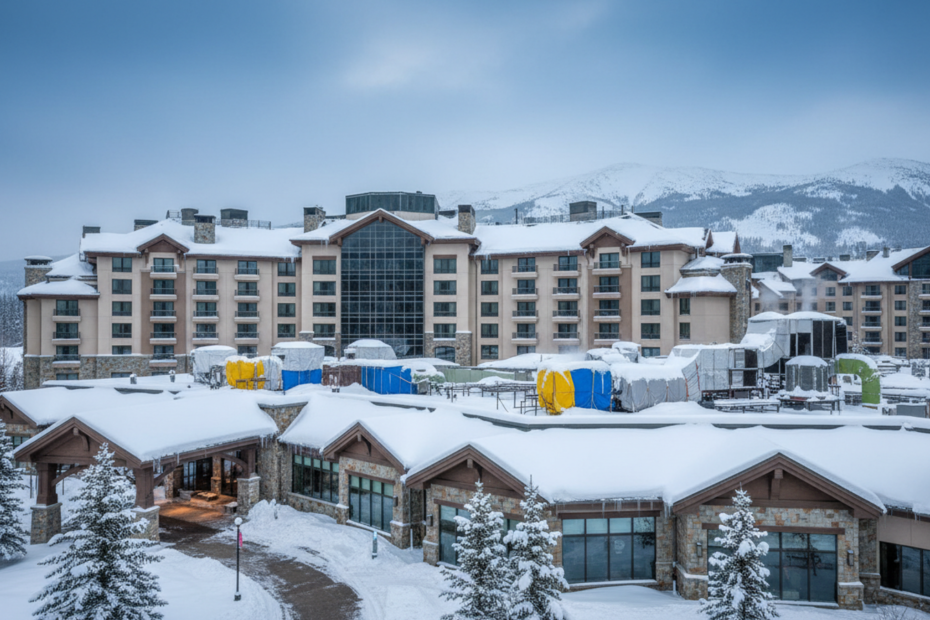
Freezing temperatures create operational risks for hotels across the United States. A sudden cold spell might cause exposed pipes to freeze, damage plumbing systems and interrupt guest services. Properties in northern states often face prolonged winter conditions, while hotels in southern regions might experience occasional freezes without having extensive winter protection in place.
Freeze protection and winterisation at lodging properties require preparation before temperatures fall. Hotel owners, general managers and operations leaders should review vulnerable areas, inspect building systems and establish clear response procedures.
A structured winterisation programme helps reduce property damage, protect essential services and maintain guest comfort during cold weather.
Why Freeze Protection Matters for US Lodging Properties
Frozen pipes create more than a plumbing problem. When water freezes, expanding ice places pressure on pipes and connected fittings. A damaged pipe might release water after temperatures rise, causing damage to guest rooms, corridors, equipment areas and other parts of the building.
Hotels also face operational challenges when freezing weather affects:
Guest-room heating systems.
Water supply and plumbing.
Fire protection equipment.
Outdoor faucets and irrigation lines.
Laundry and kitchen facilities.
Swimming pools and outdoor amenities.
Vacant rooms and unused building sections.
The risk varies by property location, construction type and building systems. Management should use local weather conditions and professional inspection findings to guide winter preparation.
Freeze Protection and Winterisation Checklist for Hotels
A property-wide checklist gives maintenance teams a consistent way to inspect vulnerable areas. The following steps provide a practical starting point for US lodging operations.
1. Inspect Exposed and Vulnerable Pipes
Begin by identifying plumbing in locations with limited heating or insulation.
Pay attention to:
Pipes in exterior walls.
Plumbing in unheated storage rooms.
Pipes inside crawl spaces.
Lines in basements and garages.
Outdoor faucets and hose connections.
Plumbing near loading areas.
Pipes in vacant or rarely accessed rooms.
Ask a qualified plumbing professional to assess vulnerable sections. The inspection should identify insulation gaps, damaged fittings and locations requiring additional protection.
Record each finding with its location, recommended action and responsible team member.
2. Protect Pipes with Suitable Insulation
Insulation helps reduce heat loss from exposed plumbing. Suitable materials depend on pipe type, location and environmental conditions.
Maintenance teams should inspect existing insulation for:
Tears or missing sections.
Moisture damage.
Gaps around joints.
Poorly covered bends and fittings.
Exposure near exterior openings.
Replace damaged insulation through qualified personnel. Follow product instructions and relevant building requirements.
Insulation alone does not guarantee freeze protection. Some plumbing systems require additional heating, monitoring or other protective measures.
3. Review Heating in Vulnerable Areas
Maintain suitable indoor temperatures in spaces containing vulnerable plumbing. Review heating arrangements for vacant rooms, service corridors, basements and other areas with limited occupancy.
Check whether heating equipment operates as expected. Report unusual noises, inconsistent temperatures and equipment faults to qualified technicians.
Hotels should establish procedures for monitoring areas where temperatures fall below the property’s approved operating range.
4. Inspect Outdoor Plumbing and Water Connections
Outdoor plumbing needs attention before freezing weather arrives.
Review:
Exterior faucets.
Garden hose connections.
Irrigation systems.
Outdoor shower connections.
Pool supply lines.
External water points.
Disconnect hoses where required and follow the plumbing system manufacturer’s instructions. Arrange proper draining or winterisation for equipment designed for seasonal shutdown.
Do not assume every outdoor line requires the same procedure. A qualified professional should confirm the correct approach for each system.
5. Review Fire Protection and Sprinkler Systems
Fire protection systems require particular care during winter preparation. Freezing temperatures might affect sprinkler piping, valves and other water-based components.
Ask qualified fire protection professionals to inspect vulnerable sections. Confirm whether the property uses wet-pipe, dry-pipe or other sprinkler arrangements.
Hotels should never drain, disable or modify fire protection systems without authorised professional guidance. Maintain required inspections and follow applicable fire codes.
6. Prepare Vacant Rooms and Unused Areas
Unoccupied spaces often receive less attention during daily operations. Yet vacant guest rooms, storage areas and seasonal facilities might contain vulnerable plumbing.
Before closing an area:
Identify plumbing and equipment inside the space.
Review heating and temperature requirements.
Arrange approved water-system protection.
Record inspection findings.
Assign responsibility for periodic checks.
Confirm reopening procedures.
For extended closures, obtain professional advice on draining, isolation and system protection.
Best Practices for Managing Winterisation Across Hotel Departments
Freeze protection and winterisation at lodging properties require coordination between maintenance, housekeeping, front desk and management teams.
Establish Clear Responsibilities
Assign specific responsibilities before winter begins.
Department | Key responsibility |
Maintenance | Inspect plumbing, insulation, heating and vulnerable equipment. |
Housekeeping | Report unusual temperatures, leaks and visible damage. |
Front desk | Record guest reports and communicate room restrictions. |
Management | Approve budgets, contractors and emergency procedures. |
Security | Report visible leaks or unusual conditions during patrols. |
Every issue should have a clear reporting route. Staff should know who receives urgent reports and who approves repair work.
Monitor Weather Forecasts
Follow local National Weather Service forecasts and winter weather alerts. Properties should pay attention to expected overnight lows, wind chill and prolonged cold periods.
Set internal thresholds for additional inspections based on local conditions and professional recommendations.
Hotels in states such as Minnesota, Wisconsin and New York often prepare for extended freezing periods. Properties in Texas, Georgia and other southern states should also maintain response plans for sudden cold snaps.
Prepare an Emergency Response Procedure
A frozen or burst pipe requires a coordinated response.
The procedure should explain how staff should:
Report suspected freezing or leaks.
Contact the designated maintenance lead.
Restrict access to affected areas.
Protect guests from immediate hazards.
Contact approved plumbing contractors.
Arrange repairs and water restoration.
Document damage and follow-up actions.
If a pipe bursts, staff should follow the property’s emergency instructions. Only authorised personnel should operate water shut-off valves or electrical equipment in affected areas.
Maintain Winterisation Records
A written record helps managers track completed work and unresolved risks.
Include:
Inspection dates.
Areas inspected.
Equipment and pipe locations.
Identified problems.
Corrective actions.
Contractor details.
Repair completion dates.
Follow-up inspection results.
Review outstanding actions before the first expected freeze. Update records after repairs or changes to building systems.
Common Winterisation Mistakes Hotels Should Avoid
Some winter problems develop because teams overlook areas outside normal guest operations.
Avoid these common mistakes:
Ignoring rarely used spaces: Storage rooms, vacant rooms and service areas still need suitable temperature protection.
Relying only on insulation: Insulation reduces heat loss but does not replace heating, monitoring or professional system protection.
Delaying contractor inspections: Waiting until freezing weather arrives often limits contractor availability and increases operational pressure.
Overlooking outdoor equipment: Irrigation lines, pool systems and external faucets require specific seasonal procedures.
Failing to document work: Verbal updates make it difficult to confirm which areas received inspections and repairs.
Restricting access without communication: Front-desk and housekeeping teams need current information about affected rooms and facilities.
How Hotel Technology Supports Winter Operations
Winterisation involves coordination between maintenance teams and guest-facing departments. Managers need accurate information about reservations, occupancy and room availability when planning inspections or restricting access.
Aiosell provides connected hotel technology for reservations, front-desk operations and revenue management. Hotels using Hotel management software should review how reservation information and reporting support operational planning.
A Hotel property management system also helps teams coordinate guest-facing activities when maintenance work affects room availability. Management should confirm the platform’s available functions and integrations before relying on software for specialist maintenance records or work orders.
Aiosell supports connected hotel operations. Hotels should maintain separate approved procedures for plumbing inspections, contractor management, winterisation records and emergency response.
Conclusion
Winter preparation requires more than insulating exposed pipes. Hotel teams should inspect vulnerable plumbing, review heating systems, protect outdoor equipment and coordinate professional checks before freezing weather arrives.
Freeze protection and winterisation at lodging properties work best when management assigns clear responsibilities and maintains accurate inspection records. A structured process helps reduce avoidable damage and supports safer hotel operations throughout winter.
Aiosell supports connected reservation and front-desk operations, helping management coordinate guest-facing activities while property teams handle seasonal maintenance requirements.
Frequently Asked Questions
When should hotels begin winterisation?
Hotels should begin preparation before the first expected freeze. The timing depends on local climate, property design and contractor availability. Properties in colder US regions often need earlier inspections.
Which hotel areas are most vulnerable to frozen pipes?
Pipes in exterior walls, crawl spaces, garages, basements, unheated storage areas and vacant rooms often face higher freezing risks. Outdoor faucets and irrigation connections also need inspection.
Does pipe insulation prevent freezing?
Pipe insulation reduces heat loss, but does not guarantee protection during prolonged freezing temperatures. Some systems require additional heating, monitoring or professional winterisation measures.
Who should inspect hotel fire sprinkler systems before winter?
Qualified fire protection professionals should inspect sprinkler systems and recommend suitable freeze protection. Hotel staff should not modify or drain fire protection equipment without authorised guidance.
How should hotels prepare vacant rooms for winter?
Review plumbing, heating requirements and temperature monitoring before closing rooms. Follow professional guidance for water-system protection and assign staff to conduct periodic checks.
What should hotel staff do if they suspect a frozen pipe?
Staff should report the issue immediately through the property’s emergency procedure. Restrict access where necessary and contact authorised maintenance personnel or plumbing contractors. Employees should avoid unsafe attempts to thaw pipes.