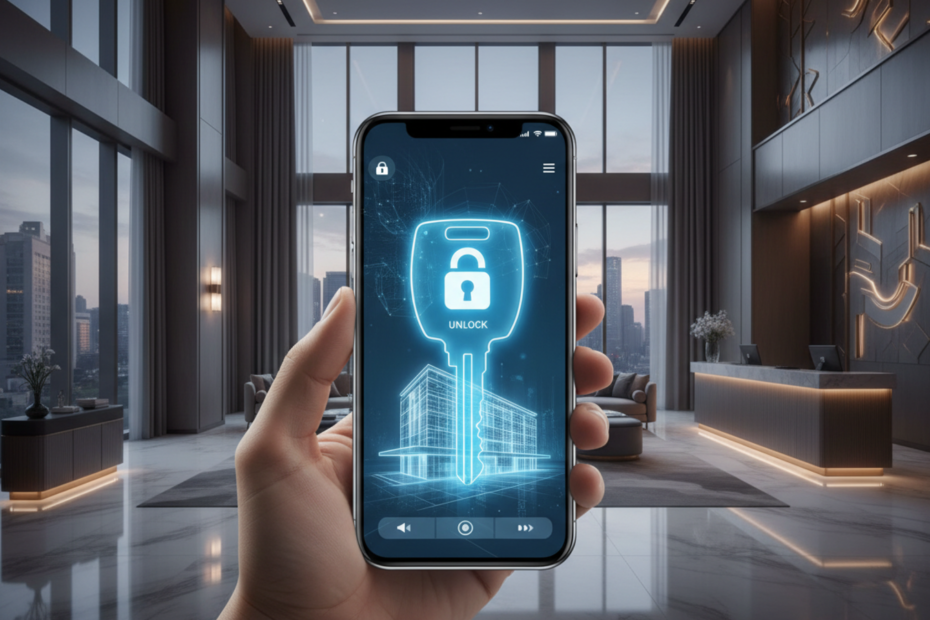
Modern hotels face mounting pressure to deliver seamless guest experiences while maintaining robust security protocols. Digital key technology integrated with hotel management software addresses both challenges by replacing traditional metal keys with smartphone-based access solutions. This guide explores the technical architecture, implementation requirements, and operational benefits of hotel software with digital key capabilities, providing hoteliers and IT professionals with actionable insights for deployment in 2025 and beyond.
Understanding Digital Key Architecture in Hotel Software
Hotel digital key software operates through a multi-layered architecture that connects property management systems (PMS), mobile applications, and electronic lock hardware. The core system uses encrypted communication protocols, typically Bluetooth Low Energy (BLE) or Near Field Communication (NFC), to transmit access credentials from guest smartphones to door locks. Cloud-based servers manage credential generation, distribution, and revocation in real time, ensuring security while maintaining operational flexibility.
The technical stack requires integration between your existing hotel management software and lock manufacturers’ application programming interfaces (APIs). Leading solutions like Aiosell provide pre-built connectors that sync reservation data with access control systems automatically. When a guest checks in through the mobile app or front desk, the system generates time-limited digital credentials that activate only during the reservation period, eliminating manual key programming and reducing front desk workload significantly.
Technical Prerequisites and System Requirements
Deploying digital key functionality requires specific infrastructure components. Your property must have reliable WiFi coverage throughout guest corridors and common areas, with minimum bandwidth of 10 Mbps per access point to support simultaneous credential downloads. Electronic locks must support BLE 4.0 or higher, with battery life exceeding 12 months under normal usage. The hospitality management system must offer open APIs and support real-time data synchronization with third-party access control platforms.
Server requirements depend on property size but typically include cloud hosting with 99.9% uptime guarantees, SSL/TLS encryption for data transmission, and compliance with PCI DSS standards for payment data security. Mobile app compatibility should extend to iOS 14+ and Android 10+ devices, covering approximately 95% of guest smartphones in 2026. Budget for hardware upgrades if your current locks lack wireless communication capabilities, as retrofitting older systems often proves more cost-effective than full replacement.
Step-by-Step Implementation Process
Begin implementation by conducting a comprehensive property audit to identify compatible locks and network dead zones. Document all door hardware models, lock firmware versions, and existing PMS integration points. Select a hotel digital key software vendor that supports your lock manufacturer and offers robust API documentation. Schedule installation during low-occupancy periods to minimize guest disruption, typically requiring two to four weeks for properties under 200 rooms.
Phase one involves installing or upgrading electronic locks and deploying network infrastructure. Phase two connects locks to the central access control server and tests basic unlock functionality. Phase three integrates the access control system with your hotel management software, mapping room assignments to digital credentials automatically. Phase four launches the guest-facing mobile application with digital key features, supported by staff training and guest communication materials. Run parallel systems for 30 days, maintaining physical keys as backup while monitoring digital key adoption rates and technical
Why Hotels Need Pass Keys and Biometric Integration
Digital pass keys solve critical operational challenges that traditional metal keys cannot address. Lost key incidents cost hotels an average of $150 per occurrence in 2025, including lock replacement, security audits, and administrative time. Digital credentials eliminate this expense by allowing instant remote deactivation through the hotel management software interface. Guest privacy improves dramatically, as digital keys leave no physical trace and automatically expire at checkout, preventing unauthorized room access by previous occupants.
Biometric authentication adds an additional security layer by requiring fingerprint or facial recognition before the smartphone transmits access credentials to door locks. This dual-factor approach protects against smartphone theft scenarios where unauthorized users might otherwise gain room access. Modern systems integrate biometric verification directly into mobile apps, using device-native security features like Apple Face ID or Android fingerprint sensors. The combination of biometric authentication and encrypted digital credentials creates security standards that exceed traditional key card systems
Common Technical Issues and Troubleshooting Methods
Connection failures between smartphones and door locks represent the most frequent technical complaint, typically caused by Bluetooth interference, low lock battery levels, or outdated mobile app versions. Establish a troubleshooting protocol that begins with verifying guest smartphone Bluetooth settings and app permissions. Train front desk staff to check lock battery status remotely through the hotel management software dashboard and dispatch maintenance teams when voltage drops below threshold levels, usually 3.5 volts for standard battery packs.
Synchronization delays between the PMS and access control system can result in guests receiving invalid credentials after check-in. Configure your hospitality management system to push reservation updates to the digital key platform immediately upon check-in completion rather than on scheduled batch updates. Monitor API response times and set alerts for latency exceeding two seconds, as delays indicate server capacity issues or network bottlenecks. Maintain detailed logs of all credential generation events, including timestamps, room numbers,
Performance Optimization and Security Best Practices
Optimize system performance by implementing credential pre-loading, where the mobile app downloads digital keys during online check-in rather than at the door. This approach reduces unlock latency from 8-10 seconds to under 2 seconds, matching guest expectations for instant access. Configure lock firmware to cache the most recent 50 credentials locally, ensuring functionality during temporary network outages. Schedule automatic firmware updates during overnight hours when guest traffic reaches minimum levels, preventing service interruptions during peak check-in periods.
Security hardening requires regular penetration testing of your hotel digital key software infrastructure, ideally conducted quarterly by certified third-party auditors. Enable multi-factor authentication for all administrative accounts with access to the credential management system. Implement role-based access controls that limit credential generation permissions to front desk staff and management personnel only. Encrypt all credential data both in transit and at rest using AES-256 standards, and maintain audit logs for minimum retention periods of