Managing a hotel in 2026 means juggling bookings from dozens of online travel agencies, direct reservations, and metasearch platforms. If you find yourself manually updating availability across multiple sites or dealing with double bookings, you might be asking yourself: do I need a channel manager? The short answer is yes, especially if your property lists on more than two or three booking channels. This tool can transform how you manage inventory, pricing, and guest relationships. Let’s explore the clear signs that indicate it’s time to invest in this technology.
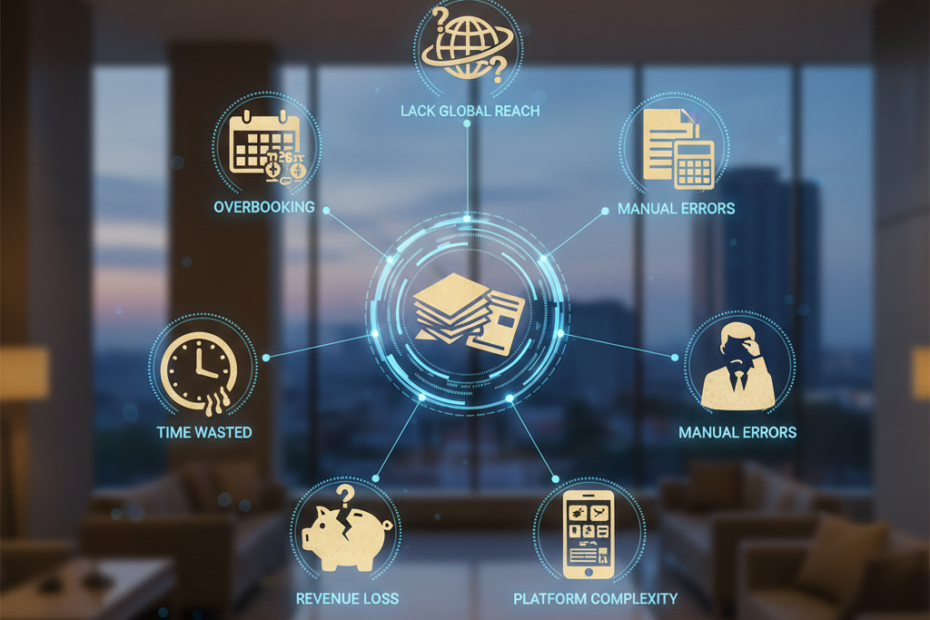
You’re Spending Hours Updating Rates and Availability
One of the most obvious signs you need a channel manager is the time you spend on manual updates. If you log into Booking.com, Expedia, Airbnb, and your own website separately to adjust room availability or change prices, you’re wasting valuable hours every single day. A channel manager automates this process by syncing data across all platforms in real time.
Think about how much time you could save each week. Instead of repetitive admin work, you could focus on guest experience, marketing strategies, or staff training. The efficiency gain alone often justifies the investment, especially for properties with more than 10 rooms or multiple room types.
Double Bookings Are Becoming a Regular Problem
Nothing damages your reputation faster than telling a guest their confirmed reservation doesn’t exist. Double bookings happen when inventory updates don’t sync quickly enough across channels. A guest books on Expedia while another reserves the same room on your website seconds later. You’re left scrambling to find alternative accommodation or upgrade guests at your own cost.
A channel manager eliminates this risk by updating availability instantly across all connected platforms. When a room sells on any channel, the system immediately removes it from inventory everywhere else. This real-time synchronization protects your revenue and maintains guest trust.
You’re Missing Out on Revenue Opportunities
Are you adjusting prices based on demand, local events, or competitor rates? If not, you’re leaving money on the table. Manual rate management makes it nearly impossible to implement dynamic pricing strategies effectively. You might set rates once per season and hope for the best, but modern travelers expect competitive pricing that reflects current market conditions.
Channel managers often integrate with revenue management systems that help you optimize pricing automatically. You can set rules based on occupancy levels, booking windows, or seasonal trends. This strategic approach helps you maximize revenue during high-demand periods while maintaining healthy occupancy during slower times.
Your Property Lists on Three or More Booking Platforms
The more channels you use, the more complex your operations become. If you’re active on Booking.com, Expedia, Agoda, Airbnb, and your direct booking website, you’re managing at least five separate systems. Each platform has different interfaces, reporting formats, and update procedures. This fragmentation creates confusion and increases the likelihood of errors.
A channel manager centralizes everything into one dashboard. You see all bookings, update all inventory, and manage all rates from a single screen. This consolidation simplifies operations dramatically and reduces the mental load on you and your staff.
You Can’t Access Real-Time Booking Data
Do you know your current occupancy rate for next month? Can you quickly compare performance across different channels? Without centralized data, answering these questions requires logging into multiple platforms and manually compiling reports. This lack of visibility makes it difficult to make informed business decisions.
Modern channel managers provide comprehensive analytics dashboards that show booking trends, channel performance, and revenue metrics at a glance. You can identify which platforms generate the most bookings, which room types perform best, and where you should focus your marketing efforts. This data-driven approach helps you grow your business strategically.
Your Team Feels Overwhelmed by Administrative Tasks
If your front desk staff or property managers spend more time on computer screens than interacting with guests, operational efficiency is suffering. Manual channel management creates bottlenecks that prevent your team from delivering exceptional service. Staff frustration grows when they’re stuck doing repetitive data entry instead of meaningful work.
By automating routine tasks, a channel manager frees up your team to focus on what matters most: creating memorable guest experiences. Your staff can spend more time on personalized service, problem-solving, and building relationships that lead to positive reviews and repeat bookings.
You’re Planning to Expand Your Distribution
Growth is exciting, but it brings operational challenges. If you’re considering adding new booking channels to reach more travelers, doing so without a channel manager is risky. Each new platform multiplies your workload and increases the chance of errors. What starts as an opportunity for growth can quickly become an operational nightmare.
A channel manager makes expansion simple and safe. You can connect to new channels with just a few clicks, instantly gaining access to new markets without adding administrative burden. This scalability is essential for properties that want to grow their reach without proportionally increasing their workload.
Understanding the Investment
Channel managers typically charge monthly fees based on property size, number of rooms, or booking volume. Prices range from around $30 per month for small properties to several hundred dollars for larger hotels. While this represents an ongoing expense, the return on investment usually appears quickly through time savings, reduced errors, and increased revenue.
Consider the cost of just one double booking: compensating guests, finding alternative accommodation, and managing negative reviews. A single mistake can cost more than several months of channel manager fees. Factor in the hours saved each week and the revenue gains from better pricing strategies, and the value proposition becomes clear.
Making the Decision
So, do you need a channel manager? If you recognized your property in two or more of these signs, the answer is almost certainly yes. The technology has become essential infrastructure for modern accommodation providers, not a luxury add-on. Properties that resist automation find themselves at a competitive disadvantage, spending more time on admin work while earning less revenue.
Start by evaluating your current pain points and calculating how much time you spend on manual channel management each week. Research channel managers that integrate with your property management system and the booking platforms you use. Most providers offer free trials or demos, allowing you to test the system before committing. The right channel manager will feel like hiring an extra team member who works 24/7 without breaks, mistakes, or complaints.