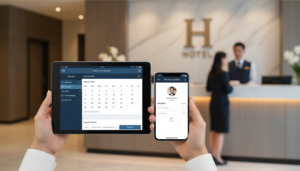
Choosing between a free channel manager for hotels and a paid solution might seem like a simple budget decision. Yet many hoteliers discover too late that “free” often carries hidden costs that erode revenue, drain staff time, and limit growth. Understanding these concealed expenses helps you make a smarter choice that protects your bottom line and scales with your property.
The True Cost of Free Channel Managers
Free channel manager software appeals to small properties and startups watching every dollar. These platforms typically offer basic inventory distribution across a handful of online travel agencies without upfront fees. However, the absence of a monthly subscription does not mean zero cost. Most free solutions restrict the number of connected channels, cap monthly bookings, or charge commission fees that quickly add up as your occupancy grows.
Commission-based models represent the most common hidden expense. A free channel manager might take 2% to 4% of every booking processed through its system. For a 20-room property averaging $100 per night with 70% occupancy, that translates to roughly $1,500 to $3,000 annually. Paid systems with flat monthly fees often cost less while delivering more features and unlimited bookings.
Feature Limitations That Cost You Revenue
Free platforms usually strip out advanced features that drive direct bookings and optimize pricing. Real-time rate updates, dynamic pricing tools, and comprehensive analytics rarely appear in no-cost versions. When your competitors adjust rates instantly based on demand while your system updates once daily, you lose bookings to better-priced listings.
Integration capabilities also suffer. Free channel manager options typically connect with fewer booking engines, property management systems, and payment gateways. This fragmentation forces manual data entry, increases error rates, and wastes staff hours that could focus on guest service. One study from 2025 found that properties using limited-integration tools spent an average of 8 additional hours weekly on manual updates compared to those with comprehensive paid systems.
Support and Reliability Gaps
Customer support represents another area where free solutions cut corners. Email-only assistance with 48-hour response times becomes problematic when a channel connection fails during peak booking season. Paid channel managers typically provide phone support, live chat, and dedicated account managers who resolve issues within hours, not days.
System uptime and reliability also vary dramatically. Free platforms may experience more frequent outages or slower performance during high-traffic periods. Even a few hours of downtime during a busy weekend can cost dozens of bookings. Enterprise-grade paid systems invest heavily in redundant infrastructure and guarantee 99.9% uptime, protecting your revenue stream.
Training and Onboarding Resources
Free channel manager platforms often provide minimal training materials. You might receive basic setup instructions but lack access to video tutorials, webinars, or certification programs that help your team master advanced features. This knowledge gap leads to underutilized tools and missed optimization opportunities. Paid providers typically offer comprehensive onboarding, ongoing education, and best-practice guidance that improves your team’s efficiency and booking performance.
Scalability and Growth Constraints
As your property portfolio expands, free systems quickly become bottlenecks. Adding a second property might require a separate account with duplicate effort, or trigger premium fees that eliminate any cost advantage. Paid channel managers designed for multi-property management offer centralized dashboards, bulk operations, and consolidated reporting that save time and provide strategic insights across your entire portfolio.
Channel expansion also hits walls with free options. When you want to add niche OTAs, metasearch engines, or regional platforms to capture new market segments, free systems may not support these connections. Paid solutions continuously add channel partnerships and give you access to hundreds of distribution options that diversify your booking sources and reduce dependency on any single platform.
Making the Right Choice for Your Property
The decision between free and paid channel managers depends on your property size, growth plans, and operational priorities. A small bed-and-breakfast with five rooms and stable occupancy might function adequately with a free channel manager, especially if owners handle most operations personally. However, properties with 10 or more rooms, multiple staff members, or expansion goals typically see better returns from paid solutions.
Calculate total cost of ownership before deciding. Add up commission fees, staff time spent on manual tasks, lost revenue from limited features, and opportunity costs of constrained growth. Compare this figure against paid subscription costs, which typically range from $50 to $300 monthly depending on property size and feature needs. Most hoteliers find that paid systems deliver positive ROI within the first quarter through increased bookings, reduced labor costs, and improved rate optimization.
Key Factors to Evaluate
When comparing options, assess channel coverage first. Does the system connect with the OTAs where your target guests actually book? Verify integration depth with your existing property management system and booking engine. Test the user interface to ensure your team can navigate it efficiently without extensive training.
Review the pricing structure carefully. Understand whether fees are flat monthly rates, per-room charges, commission-based, or hybrid models. Request detailed breakdowns of what each tier includes and where upgrade costs kick in. Ask about contract terms, cancellation policies, and whether pricing locks in or adjusts annually. Finally, check recent user reviews from properties similar to yours to gauge real-world satisfaction and support quality.