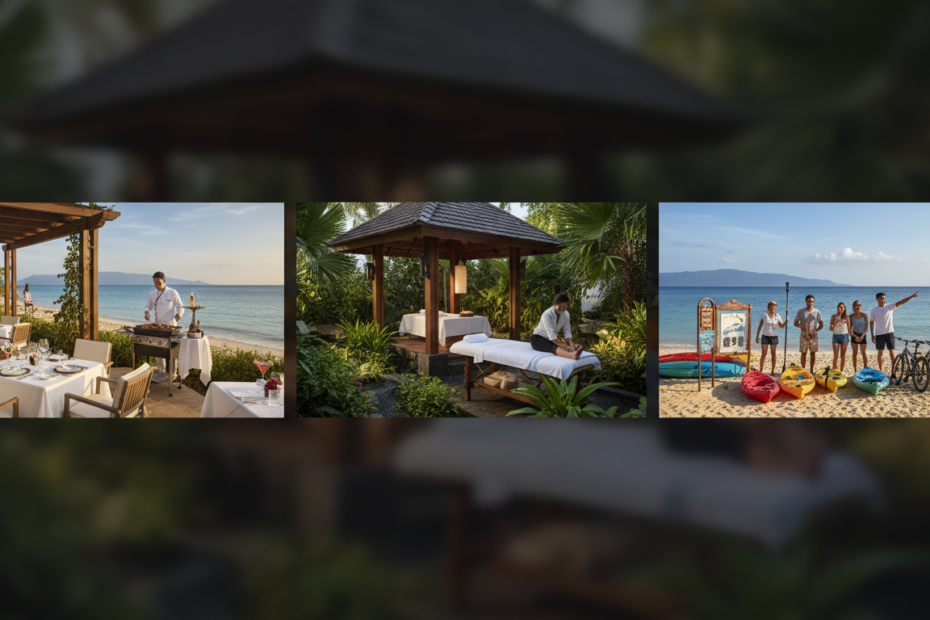
A resort’s operations look nothing like a limited-service hotel’s. Beyond rooms, a typical resort manages multiple restaurants, a spa with its own appointment scheduling, recreational activities that need booking and capacity management, and often event or banquet spaces running independently of room reservations. A property management system built primarily around room bookings, without genuine depth in these additional areas, quickly becomes a bottleneck rather than a solution for resort operations.
Why Standard PMS Modules Fall Short for Resorts
Many property management systems handle room reservations well but treat everything else as a secondary add-on, if they support it at all. For a resort, this gap creates real operational friction. Spa appointments booked through a separate scheduling tool don’t reflect in the guest’s master folio automatically. Restaurant charges require manual entry into the PMS rather than posting directly. Activity bookings — a diving excursion, a guided tour, a cooking class — happen through yet another disconnected system, making it difficult to get a complete view of a guest’s full spend and experience during their stay.
A property management system built with resort operations genuinely in mind needs to treat these additional revenue centers as core functionality, not optional extras bolted on afterward.
Food and Beverage Integration
Resorts often operate several dining outlets simultaneously — a main restaurant, a poolside bar, in-room dining, sometimes a specialty venue. Each of these needs to connect seamlessly with the PMS so charges post directly to the correct guest folio without manual reconciliation at checkout.
A well-integrated point of sale system supports this by linking every outlet’s transactions directly to guest accounts in real time, while also providing management visibility into performance across each individual outlet. This matters both for guest convenience — avoiding the frustration of separate bills for different venues — and for operational reporting, since resort management needs to understand which outlets are actually driving profitability, not just overall F&B revenue in aggregate.
Spa Scheduling and Guest Experience
Spa operations bring their own scheduling complexity: therapist availability, treatment room capacity, appointment duration variability, and often package pricing that combines multiple services. A resort PMS needs either native spa scheduling functionality or a tightly integrated connection to dedicated spa software, ensuring appointments, guest preferences, and charges all flow into the same guest profile the front desk and other departments can access.
This integration also supports better guest service. When spa staff can see a guest’s stay details and preferences directly, and front desk staff can see upcoming spa appointments when guests check in, the overall experience feels more coordinated rather than fragmented across separate departmental systems that don’t communicate.
Activity and Excursion Management
Resorts offering activities — water sports, guided excursions, cooking classes, kids’ club programs — need booking functionality that handles capacity limits, staff or equipment availability, and sometimes weather-dependent scheduling changes. This is meaningfully different from room booking logic, and a PMS lacking dedicated activity management functionality often forces resorts to manage this through spreadsheets or entirely separate software, disconnected from the guest’s broader profile and billing.
Integrating activity bookings into the core PMS allows resorts to track which activities guests have booked, manage capacity across the property’s full activity calendar, and post any related charges directly to guest folios, all from the same system managing room operations.
Banquet and Event Space Coordination
Many resorts also host weddings, conferences, and other events requiring dedicated banquet and meeting space management. This involves its own scheduling logic — room setup configurations, catering coordination, audiovisual requirements — that differs considerably from standard guest room bookings. A banquets management system connected to the core PMS allows resorts to manage this event business alongside regular operations, with shared visibility into overall property occupancy and resource allocation during periods when both leisure guests and event groups are on property simultaneously.
Reporting Across Multiple Revenue Centers
One of the most valuable outcomes of proper module integration is consolidated reporting across every resort revenue center — rooms, F&B, spa, activities, and events — from a single system. This gives resort management a genuinely complete view of guest spend and property profitability, rather than needing to manually combine reports from several disconnected departmental systems. Understanding total revenue per guest, not just room revenue, supports better decisions around package pricing, promotional offers, and where to focus operational investment.
Evaluating a PMS for Resort Operations
When assessing whether a property management system genuinely fits resort needs, look past marketing claims of “hospitality management” and ask specific questions relevant to multi-outlet operations. Does the system natively support multiple F&B outlets with charge posting to a shared folio? Is spa scheduling built in or reliant on a separate, disconnected tool? Can activity bookings with capacity limits be managed within the same platform? Does event and banquet space scheduling integrate with overall property occupancy data?
A resort that settles for a room-focused PMS and manages everything else through separate software tends to accumulate exactly the kind of operational fragmentation that a well-built, comprehensive system is designed to eliminate. Prioritizing genuine module depth across food and beverage, spa, activities, and events — not just room management — is essential for resorts evaluating their technology stack, since these additional revenue centers often represent a substantial share of total guest spend and, by extension, overall property performance.