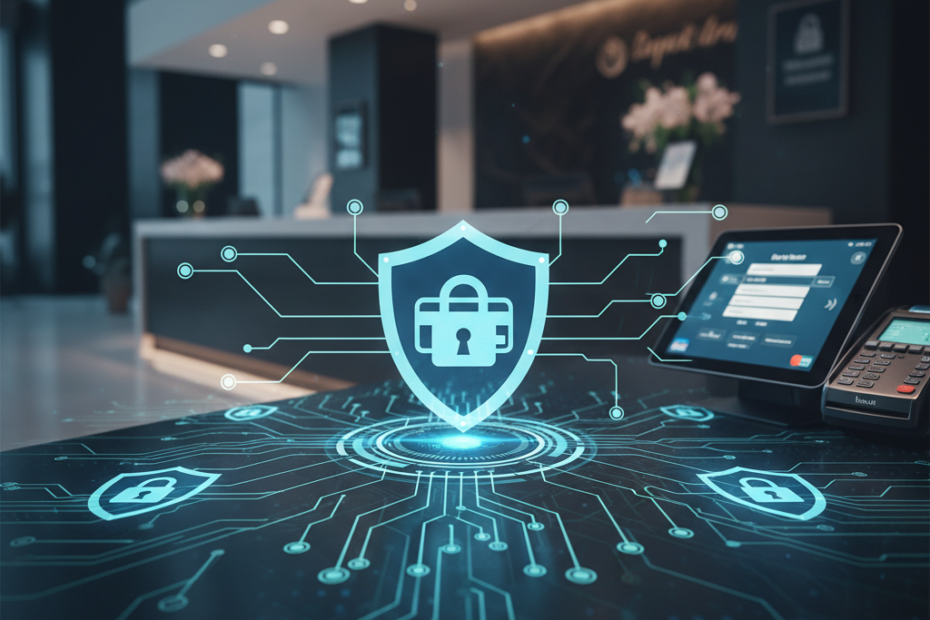
Every time a guest swipes a credit card at check-in, your hotel handles sensitive payment data. That moment creates a responsibility you can’t ignore. The Payment Card Industry Data Security Standard (PCI DSS) exists to protect that information, and your hotel management software plays a central role in meeting those requirements. Whether you run a boutique property or manage a chain, understanding how your technology stack aligns with PCI compliance isn’t optional anymore. It’s the foundation of guest trust and financial security.
Why PCI DSS Matters for Hotel Software
The hospitality industry faces unique payment security challenges. Guests expect seamless transactions at the front desk, in restaurants, at spas, and through online booking portals. Each touchpoint where card data flows through your systems creates potential vulnerability. PCI DSS sets the global standard for protecting cardholder information, and non-compliance carries serious consequences. Hotels that fail to meet these standards risk data breaches, hefty fines from card brands, legal liability, and lasting damage to their reputation.
Your hotel software serves as the gateway for most payment transactions. Property management systems, booking engines, point-of-sale terminals, and payment processors all handle card data. If any component in this chain lacks proper security controls, your entire operation becomes exposed. Modern hotel software PCI DSS compliance requires a comprehensive approach that covers technology, processes, and staff training. You can’t simply install software and assume you’re protected.
Core PCI DSS Requirements for Hospitality Software
The PCI Security Standards Council outlines twelve requirements organized into six control objectives. For hotel management software compliance, several areas demand special attention. First, you must build and maintain a secure network. This means installing firewalls, avoiding default passwords, and ensuring your hotel software vendor provides regular security patches. Many properties overlook this basic step, leaving known vulnerabilities unaddressed for months.
Second, you need to protect stored cardholder data. The best practice? Don’t store it at all. Modern pci compliance hospitality software solutions use tokenization and encryption to minimize data retention. When your system must store payment information for future transactions or chargebacks, it should encrypt that data and restrict access to only authorized personnel. Third-party payment processors can handle much of this burden, but you remain responsible for ensuring your software integrates securely with these services.
Access control represents another critical requirement. Your hotel software should enforce strong authentication, assign unique IDs to each user, and maintain detailed logs of who accessed payment data and when. This principle of least privilege means your housekeeping staff shouldn’t have the same system access as your front desk manager. Solutions like Aiosell and other modern platforms build these role-based permissions directly into their architecture, making compliance easier to maintain.
Common Compliance Pitfalls in Hotel Technology
Many hotels struggle with hotel software data security because they piece together systems from multiple vendors. Your property management system might come from one company, your payment gateway from another, and your booking engine from a third. Each integration point creates potential security gaps. Without a unified approach to compliance, you end up with inconsistent security policies and unclear responsibility when problems arise.
Legacy systems present another major challenge. Older hotel software often lacks the security features required by current PCI DSS standards. These systems may store unencrypted card data, use outdated authentication methods, or run on unsupported operating systems. Upgrading or replacing these platforms requires significant investment, but the cost of a data breach far exceeds the price of modern, compliant software.
Staff training often receives too little attention. Your hotel software might meet every technical requirement, but human error can still compromise security. Employees who write down passwords, share login credentials, or fail to recognize phishing attempts create vulnerabilities that no software can fully prevent. Compliance requires ongoing education, not just a one-time orientation session.
Choosing Compliant Hotel Management Software
When evaluating hotel software vendors, ask direct questions about their PCI compliance status. Reputable providers should readily share their compliance certifications and explain how their platform helps you meet your own obligations. Look for software that offers end-to-end encryption, secure payment tokenization, and regular security updates. The vendor should also provide clear documentation about their data handling practices and their responsibility versus yours under the shared security model.
Cloud-based hotel management systems often offer stronger security than on-premise solutions for smaller properties. Major cloud providers invest heavily in security infrastructure, threat monitoring, and compliance certifications that individual hotels can’t match. However, you still need to configure these systems correctly and maintain your portion of the security controls. Moving to the cloud doesn’t automatically make you compliant.
Consider how the software handles payment data throughout the guest journey. Does it capture card information directly, or does it redirect to a secure payment page? Can it process payments without your staff ever seeing full card numbers? Does it integrate with PCI-compliant payment processors? The best hotel software pci dss solutions minimize your exposure to sensitive data while maintaining a smooth guest experience.
Maintaining Ongoing Compliance
PCI DSS compliance isn’t a one-time achievement. It requires continuous monitoring, regular security assessments, and prompt responses to new threats. Your hotel must complete annual self-assessment questionnaires or undergo formal audits depending on your transaction volume. You also need quarterly network scans by approved vendors to identify vulnerabilities in your systems.
Stay current with PCI DSS updates. The standard evolves as payment technology and security threats change. Version 4.0, which became mandatory in 2024, introduced new requirements around multi-factor authentication, password complexity, and security awareness training. Your hotel software vendor should keep their platform aligned with these changes, but you need to update your processes and policies accordingly.
Document everything. Compliance audits require evidence that you’ve implemented required controls and maintained them over time. Keep records of security policies, staff training sessions, system configurations, access logs, and incident response procedures. Modern hotel management software can automate much of this documentation, but you need processes to review and act on the information these systems generate.
Building a Culture of Payment Security
Technology alone won’t keep your hotel compliant. You need a security-conscious culture where every team member understands their role in protecting guest data. Make PCI compliance part of your operational standards, not just an IT department concern. Regular training, clear policies, and accountability for security practices help embed these principles into daily operations. When your staff views payment security as essential to guest service rather than a burden, compliance becomes much easier to sustain.