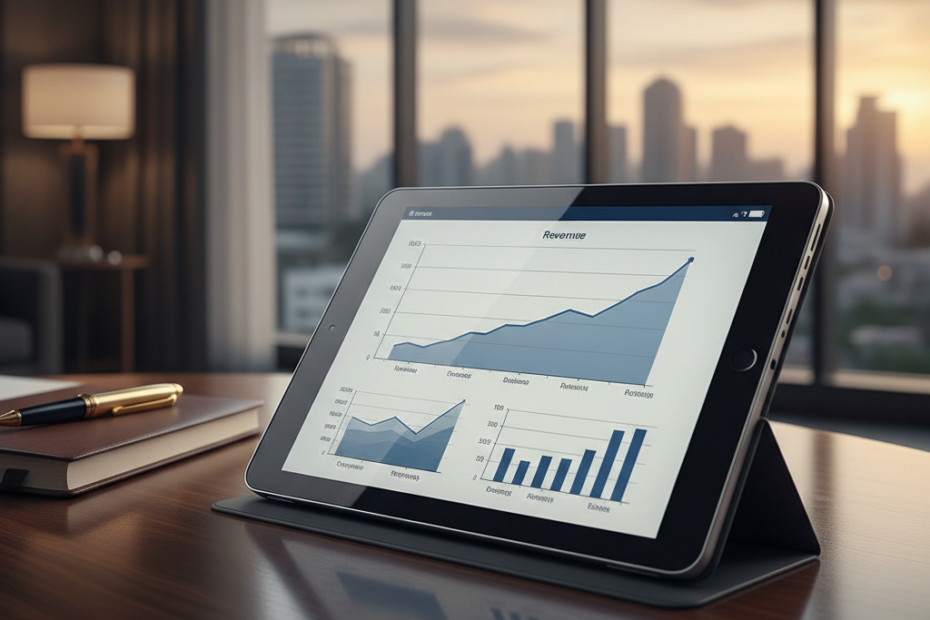
Running a hotel means juggling dozens of moving parts every single day. You need to track revenue, monitor occupancy, manage staff, and keep guests happy. Without the right data at your fingertips, you’re flying blind. That’s where hotel management software reports come in. These tools give you the insights you need to make smart decisions, spot problems early, and grow your business. In this guide, we’ll walk through the essential reports every hotel owner should use and how they can transform the way you run your property.
Why Hotel Management Software Reports Matter
Hotel owners face constant pressure to maximize revenue while controlling costs. You can’t rely on gut feelings or outdated spreadsheets anymore. Modern hotel management software delivers real-time data that shows exactly what’s happening in your business. These reports help you understand booking trends, identify your most profitable revenue streams, and catch issues before they become expensive problems.
The best hotel reporting tools integrate data from every corner of your operation. Reservations, housekeeping, front desk, and point-of-sale systems all feed into one central dashboard. This gives you a complete picture instead of scattered fragments. When you can see everything in one place, patterns emerge. You’ll notice which room types sell best, which seasons need stronger marketing, and where you’re losing money.
Essential Revenue and Performance Reports
Revenue reports sit at the heart of any hotel management software. These show your daily, weekly, and monthly income broken down by source. You’ll see revenue from room bookings, food and beverage sales, spa services, and any other amenities you offer. This breakdown helps you understand which parts of your business drive the most profit.
Average Daily Rate (ADR) and Revenue Per Available Room (RevPAR) reports give you benchmarks to measure performance. ADR shows the average price guests pay per room, while RevPAR factors in occupancy. These metrics help you set competitive pricing and track whether your revenue management strategy works. When you compare these numbers month over month or year over year, you can spot trends and adjust your approach.
Occupancy and Booking Analytics
Occupancy reports show how many rooms you fill each night, week, or month. This simple metric tells you whether your marketing efforts pay off and helps you forecast staffing needs. Low occupancy periods signal when you need promotional campaigns or special packages to attract guests.
Booking analytics dig deeper into how guests find and reserve rooms. These reports show which channels bring the most reservations, whether that’s your direct website, online travel agencies, or phone bookings. Understanding your booking sources helps you invest marketing dollars wisely. If most guests book through one platform, you know where to focus your energy. Aiosell and similar hospitality management systems excel at tracking these multi-channel booking patterns.
Guest Behavior and Satisfaction Reports
Guest satisfaction reports compile feedback from surveys, online reviews, and direct comments. These insights reveal what you’re doing right and where you need to improve. Happy guests return and recommend your property to others, so tracking satisfaction scores directly impacts long-term revenue.
Guest history reports show individual guest preferences, past stays, and spending patterns. This data helps your team deliver personalized service. When you know a returning guest prefers a quiet room on the third floor and always orders room service breakfast, you can prepare in advance. This level of attention builds loyalty and encourages repeat business.
Operational Efficiency Reports
Housekeeping reports track room cleaning schedules, maintenance requests, and turnover times. Efficient housekeeping keeps rooms available for new guests and maintains quality standards. These reports help you spot bottlenecks. If certain rooms always take longer to clean, you can investigate why and fix the problem.
Staff scheduling and labor cost reports show how many hours your team works and what that costs you. Labor represents one of your biggest expenses, so managing it carefully matters. These reports help you schedule the right number of staff for busy and slow periods. You avoid overstaffing during quiet times and understaffing when you’re fully booked.
Inventory and Cost Control
Inventory reports track supplies, linens, toiletries, and other items you use daily. Running out of essentials frustrates guests and staff alike. These reports alert you when stock runs low so you can reorder before you run out. They also highlight waste. If certain items disappear faster than expected, you can investigate and reduce losses.
Cost analysis reports compare your expenses against revenue. You’ll see spending on utilities, maintenance, supplies, and services. This visibility helps you find areas to cut costs without sacrificing quality. Maybe you’re spending too much on a vendor who doesn’t deliver value, or perhaps energy costs spike during certain months. Once you see the numbers, you can take action.
Financial and Forecasting Reports
Profit and loss statements summarize your financial performance over specific periods. These reports show total revenue, all expenses, and your net profit or loss. Every hotel owner needs this big-picture view to understand overall business health. You can share these reports with investors, lenders, or partners to demonstrate performance.
Forecasting reports use historical data to predict future performance. They estimate occupancy, revenue, and expenses for upcoming weeks or months. These projections help you plan budgets, set goals, and make strategic decisions. If forecasts show a slow period ahead, you can launch promotions early. If they predict high demand, you can raise rates and maximize revenue.
Choosing the Right Hotel Software Owner Reports
Not every hotel needs every report. Small properties might focus on core metrics like occupancy, ADR, and guest satisfaction. Larger hotels or chains need more detailed breakdowns across departments and locations. Look for hotel management software that lets you customize reports to match your priorities.
The best systems make reports easy to access and understand. You shouldn’t need a data science degree to read your own business metrics. Look for clear visuals, simple dashboards, and the ability to export data when you need it. Mobile access matters too. You should be able to check key reports from your phone when you’re away from the property.
Integration with other tools matters. Your hotel management software should connect with your accounting system, booking engines, and payment processors. This eliminates duplicate data entry and ensures accuracy. Platforms like Aiosell and other modern hospitality management systems prioritize seamless integration across all your tools.
Turning Reports Into Action
Reports only create value when you act on what they show. Set aside time each week to review your most important metrics. Look for patterns, anomalies, and opportunities. Share relevant reports with department heads so everyone understands how their work impacts overall performance.
Use reports to set specific, measurable goals. If your ADR sits below market average, aim to raise it by five percent over the next quarter. If guest satisfaction scores dip in one area, create an action plan to improve. Track progress regularly and celebrate wins with your team. Data-driven decisions consistently outperform guesswork, and the right hotel reporting tools make those decisions easier every single day.