Energy costs form a regular part of hotel operating expenses. Air conditioning, water heating, lighting, kitchen equipment and pumps consume energy throughout the day. Poor maintenance often increases consumption without improving guest comfort or service quality.
For example, a poorly maintained air conditioning filter restricts airflow. The system works harder to maintain the required temperature. A leaking hot water line also wastes energy because the heating system needs to replace lost heat.
Regular maintenance helps hotel teams identify these issues early. A planned approach to energy waste through maintenance routines gives engineering teams a practical way to monitor equipment, reduce unnecessary consumption and maintain reliable operations.
Why Maintenance Matters for Hotel Energy Consumption
Hotels operate several energy-consuming systems across guest rooms, kitchens, laundry areas, corridors and back-of-house spaces. Each system requires regular inspection and servicing.
When maintenance gets delayed, equipment efficiency often declines. Small issues such as blocked filters, loose electrical connections, damaged insulation and water leaks increase operating costs over time.
A structured maintenance programme helps hotels:
Identify equipment faults before they increase energy consumption.
Maintain air conditioning and refrigeration performance.
Reduce unnecessary lighting and equipment usage.
Detect water leaks and hot water system losses.
Extend the useful life of hotel equipment.
Improve visibility into recurring maintenance issues.
Hotel owners and general managers should include energy efficiency in routine maintenance reviews. Engineering teams should track equipment condition alongside repair requests and service schedules.
Inspect Air Conditioning Systems Regularly
Air conditioning is a major energy-consuming system in many Indian hotels, particularly during warmer months. Dusty filters, blocked coils, refrigerant issues and poor airflow affect cooling performance.
Engineering teams should follow a regular inspection schedule based on equipment type, usage and manufacturer recommendations.
Important checks include:
Cleaning or replacing air filters at suitable intervals.
Inspecting indoor and outdoor coils.
Checking refrigerant performance through qualified technicians.
Cleaning condensate drain lines.
Checking thermostat settings and sensor accuracy.
Inspecting ductwork for leaks and insulation damage.
Guest room air conditioning also needs attention between occupancy periods. Housekeeping and engineering teams should coordinate room inspections and report unusual cooling performance.
These checks help prevent avoidable strain on cooling equipment and support consistent guest comfort.
Maintain Lighting and Electrical Equipment
Lighting systems operate across guest rooms, reception areas, restaurants, corridors and service spaces. Faulty controls, damaged fittings and unnecessary operating hours contribute to energy waste.
Maintenance teams should inspect lighting fixtures, switches, timers and occupancy sensors. They should also identify areas where lights remain switched on despite low activity.
Useful maintenance actions include:
Replace damaged or inefficient lighting fixtures.
Inspect occupancy sensors and automatic controls.
Check timers in common areas.
Review lighting schedules for outdoor spaces.
Inspect electrical panels through qualified personnel.
Record recurring faults and replacement requirements.
Hotels should also review lighting requirements by area. Guest safety and service standards must guide decisions about switching off or reducing lighting.
Check Refrigeration and Kitchen Equipment
Hotel kitchens, restaurants and storage areas depend on refrigerators, freezers, chillers and other equipment. Poor door seals, dirty condenser coils and incorrect temperature settings affect performance.
Kitchen and engineering teams should work together to inspect these systems.
Key checks include:
Inspecting refrigerator and freezer door seals.
Cleaning condenser coils as recommended.
Checking temperature readings.
Reviewing unusual compressor noise or extended running cycles.
Keeping ventilation areas clear.
Reporting equipment that struggles to maintain temperature.
Staff should avoid leaving refrigeration doors open for long periods. Maintenance teams should record repeated temperature fluctuations and arrange technical inspection where required.
Monitor Pumps, Boilers and Hot Water Systems
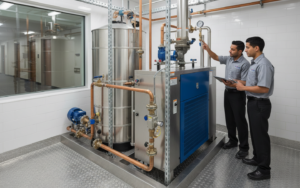
Water pumps, boilers and hot water systems often operate for long periods. Leaks, scale deposits, poor insulation and worn components increase energy consumption.
Hotels should include these systems in their preventive maintenance schedule.
Engineering teams should inspect:
Pump operation and unusual vibration.
Pipe joints and visible water leaks.
Hot water tank and pipe insulation.
Boiler condition and service records.
Temperature controls and operating schedules.
Water circulation and pressure performance.
Only qualified personnel should handle technical servicing of boilers and electrical equipment. Teams should follow manufacturer instructions and applicable safety requirements.
Energy Waste Through Maintenance Routines Checklist
A checklist helps engineering teams complete inspections consistently across departments. Hotels should adapt the following points to their equipment, property size and maintenance requirements.
Equipment or area | Maintenance check | Suggested record |
Air conditioning | Inspect filters, coils and airflow | Inspection date and findings |
Lighting | Check fixtures, sensors and timers | Faults and corrective action |
Refrigeration | Inspect seals and condenser coils | Temperature and service notes |
Water pumps | Check leaks, vibration and operation | Condition and repair status |
Boilers | Review service and insulation condition | Service records |
Hot water pipes | Inspect visible leaks and insulation | Location and action taken |
Electrical panels | Arrange qualified inspection | Inspection and maintenance report |
Common areas | Review operating schedules | Unnecessary usage identified |
The engineering supervisor should assign responsibility for each inspection. Teams should record faults, action owners and completion dates.
Energy Waste Through Maintenance Routines Best Practices
Consistent maintenance requires clear ownership and regular reviews. Hotel teams should follow these practices to improve energy management.
Create an equipment maintenance calendar: List important equipment, inspection frequency, responsible employees and service requirements. Follow manufacturer recommendations when setting maintenance intervals.
Prioritise high-consumption equipment: Focus inspections on air conditioning, refrigeration, boilers, pumps and other systems with substantial operating hours.
Track recurring faults: Repeated repairs often indicate an underlying equipment issue. Review maintenance history before approving another temporary repair.
Coordinate departments: Housekeeping, kitchen, front desk and engineering teams should report equipment problems through a shared process.
Review energy bills: Compare consumption across billing periods and investigate unusual increases. Consider occupancy, weather, operating hours and equipment changes before identifying the cause.
Train hotel employees: Staff should know how to report leaking taps, unusual equipment sounds, cooling problems and lights left on in unused spaces.
These energy waste through maintenance routines best practices help hotels connect daily inspections with longer-term operating decisions.
Use Maintenance Records to Improve Decisions
Maintenance records help hotel managers understand equipment condition and identify repeated service requirements. A simple record should include the asset name, location, inspection date, fault description, action taken and next service date.
Managers should review these records regularly. For example, repeated air conditioning complaints in the same room might indicate a filter, thermostat or duct issue. A pattern of refrigeration faults might point towards poor ventilation or worn components.
Aiosell provides integrated hotel management technology to help hotels organise key operational functions and reduce manual work. Hotel teams should assess their maintenance documentation requirements and choose suitable processes for tracking equipment inspections and repair follow-ups.
Aiosell supports connected hotel operations through its technology platform. Hotels should align their maintenance records with their wider operational workflows.
Conclusion
Energy efficiency starts with equipment that receives regular attention. Hotels should inspect major systems, record faults, assign responsibilities and review maintenance performance.
A planned approach to energy waste through maintenance routines helps Indian hotels identify avoidable consumption and make informed maintenance decisions. Regular reviews also help managers prioritise repairs and plan equipment replacement.
Aiosell helps hotels organise key operational functions through integrated technology. Combined with consistent engineering practices, a structured maintenance process supports better control over daily hotel operations
Frequently Asked Questions
1. How does preventive maintenance reduce hotel energy consumption?
Preventive maintenance helps identify problems such as blocked filters, leaking pipes, damaged insulation and faulty controls. Timely servicing helps equipment operate according to its intended performance.
2. Which hotel equipment needs regular energy-efficiency checks?
Air conditioning systems, refrigerators, freezers, boilers, water pumps, lighting controls and hot water systems need regular inspection. Hotels should set schedules based on equipment usage and manufacturer guidance.
3. How often should hotels inspect air conditioning systems?
Inspection frequency depends on equipment type, operating hours, environmental conditions and manufacturer recommendations. Hotels should establish a documented schedule and increase checks when usage or dust levels are high.
4. How should hotel managers identify unusual energy consumption?
Managers should review electricity and fuel bills, compare consumption periods and consider occupancy and seasonal changes. Engineering teams should inspect equipment when consumption rises without a clear operational reason.
5. Who should manage energy-related maintenance routines?
The engineering or maintenance department should coordinate inspections. Department heads and hotel employees should report faults and support the process through timely communication.