Having your pms up and running with a minimal channel manager, rate integrity, and staff training blocked out a complete pms check out process gets the wheels turning, but there’s more to it. How do you approach the set up and implementation phase? Do you jump right in and hope everything translates correctly and is well understood? Or do you take a mindful approach and break it down step by step? Be prepared to invest a good amount of time and resources, as getting your pms working how it should be will become a mini project. But don’t worry; we’ve detailed the most common steps to guide you through the process.
Core Components of a Chain-Wide PMS
What makes a property management system really robust for a hotel chain? A unified center that provides comprehensive reports, easy monitoring, efficient rate management, marketing tools, integrated booking engine… you name it, this list can go on forever. What really is important in a nutshell is, ease of integrations, the ability to handle diverse requirements of multiple regions being served, exhaustive reporting, and analytics without which operational departments of the chain can come to a standstill in no time. The list is exhaustive and thus the product you select should also be at par. A cloud hotel PMS for a hotel chain cornerstones all this. Like it or not, the world is moving towards cloud computing for all IT solutions and should move. Identifying the best is a lengthy exercise with several pointers to keep in mind. en if creating an in-house system was an option, it might cost much
Integrating Mobile and Tablet PMS Apps
How can we reimagine the concept of a front desk and facilitate guest services beyond the boundaries of the front desk itself? It’s a tough question, isn’t it? But, the answer is simple: by making guest and staff interactions more mobile! Many properties are already using mobile pms apps and iPads/Tablets for guest check-in/check-out, such as for concierge services, etc. What makes these devices different from typical front desk computers? The fact that they’re mobile. They can be stationed everywhere, which turns every corner of your hotel into a front desk.
Tablet pms solutions are not just perfect for front desk staff and guests. They can also be used by managers and housekeeping supervisors. Room status will be updated in real time and this eliminates the need for constant communication in order to know the availability of a certain room. In addition to that, inventory management can be done in
Leveraging AI and Machine Learning
The most successful hoteliers are the ones that come up with the optimal pricing strategy based on the sometimes fickle and ever-changing circumstances of the market. This has long depended on historical data and demand forecasting as well as on manual competitive analysis. But why leave your chances to fortune if you can rely on a data-backed decision-making process? With contemporary tools within your reach you can implementyour rates optimization strategy and make your business perform better. Learn how to live with the market inconsistency and win. More on Implementing an ai-driven Dynamic Pricing Strategy in Your Hotel can be found here. It’s good to know the difference between a dynamic engine and an Aipowered one. A dynamic pricing engine utilizes algorithms, while an Ai based pricing engine adjusts to patterns and changes in behavior of the market based on a variety of data sources. This also includes your past
Optimizing the Check-Out Workflow
What if I told you that the last impression you leave on your guest is the most important one? The departure must be flawless. But how do you prepare for that? Well, as for the checkout, it starts the night before! The system ought to be generating those folios for expected departures on its own. No time to bottleneck your morning with this ‘paperwork’.
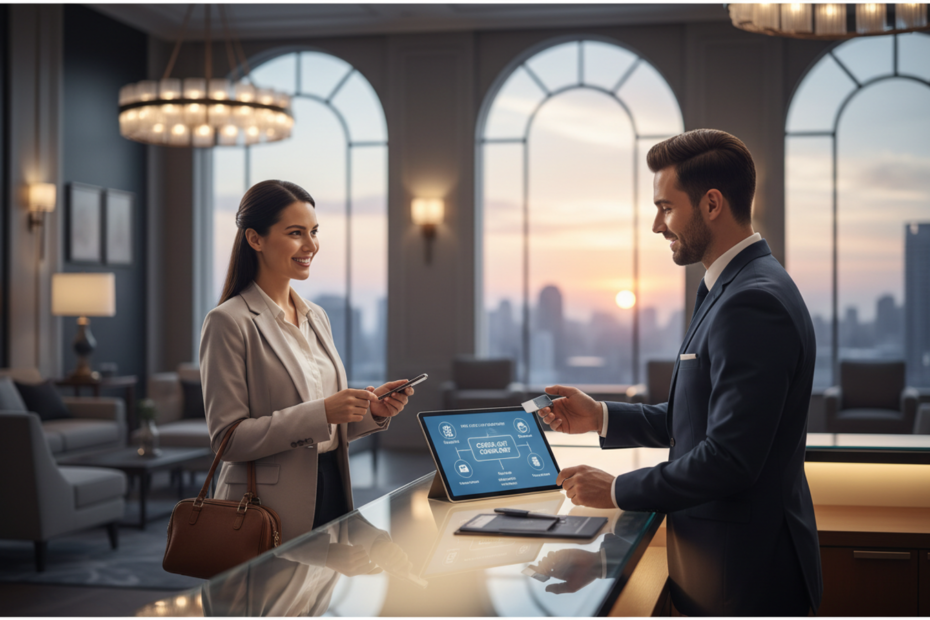
It needs to be a quick and adaptable task. Could your staff take payments poolside or in the lobby with a mobile pms? Then after the guest has checked out, the system should automatically take over and send a digital receipt, thank-you note.
Tailoring Setup for Different Property Types
But can this level of service be delivered to independent hotels? They also need the same ability to leverage spa and restaurants on one guest bill or book activities for arriving guests but on a smaller, more cost-effective scale.
How different are property management systems for hotels from the one a hostel would use? Or a B&B, for that matter? An affordable boutique hotel pms for a small property prioritizes online check-ins and payment gateway in the pms software. A mid-size hotel chain requires a two-way CRM interface. Conversely, a large chain needs a centralized direct booking engine. A serviced apartment pms guide would focus on channel manager interface and channel manager connectivity instead of meal plan management, as it would for a boutique property. This would be far from important for an inn. A direct booking tool is crucial for a casino hotel. A hotel by the airport needs
Implementing Your New System
Starting small for PMS implementations makes perfect sense, doesn’t it? How else could one get their feet wet in the new world of property management systems?
Training is the cornerstone of all successes, is it not? Let’s be honest, everyone hates change, especially if it’s a complicated system change. The good news is that pms for hotels is designed such that the system itself simplifies staff training. It actually provides its users with a full training suite as part of the system’s package. Who better to train your staff on the ins and outs of a new pms for a hotel chain setup other than the system that is giving them the tools for the job right? Ask your chosen solution provider about the resources available for this training within their system, they might even be willing to provide trainers in person. Or you can bring employees up to speed