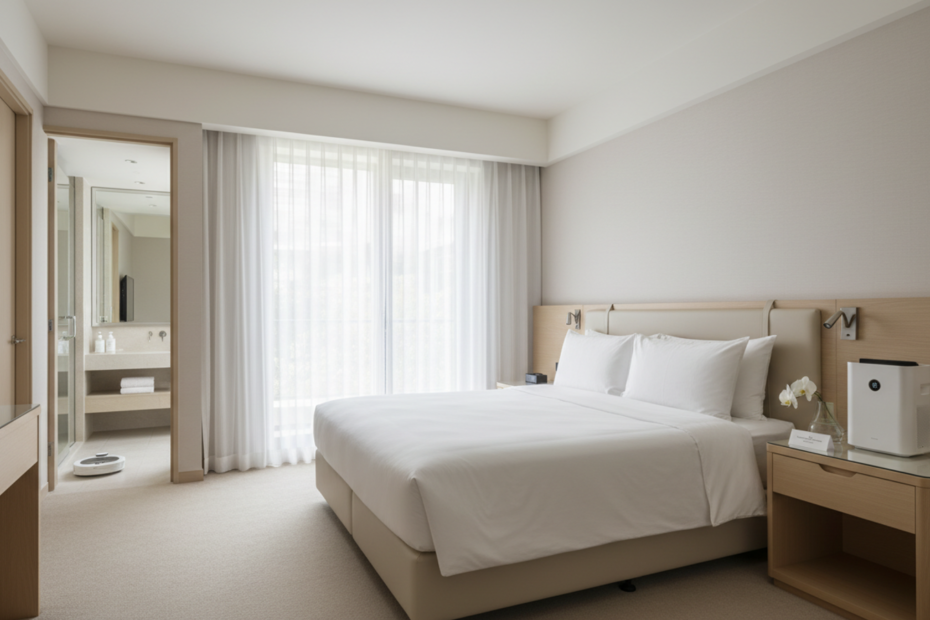
A guest contacts a hotel before arrival and asks for a room prepared without scented cleaning products, air fresheners or fragranced toiletries. The front desk records the request, but housekeeping does not receive the details. The room gets cleaned using the property’s usual products, and the guest raises a concern at check-in.
Situations like this highlight the need for clear communication between departments. Hotels should treat guest requests for fragrance-sensitive room preparation as specific service requirements. A consistent process helps teams record preferences, coordinate suitable preparation and confirm completion before arrival.
For US hotel owners, general managers and operations leaders, a documented procedure also supports staff accountability and more consistent guest experiences.
Why Fragrance-Sensitive Room Requests Need a Clear Process
Guests request fragrance-conscious room preparation for different reasons. Some prefer unscented environments. Others report discomfort around particular fragrances or scented products.
Hotel employees should handle each request respectfully. They should avoid asking guests to disclose unnecessary personal or medical information. Staff should also avoid promising a completely fragrance-free room unless the hotel has verified the relevant conditions.
A written procedure helps teams manage:
Guest preferences recorded before arrival.
Communication between front desk and housekeeping.
Selection of suitable cleaning products.
Removal of optional scented room products.
Room preparation checks.
Confirmation before guest arrival.
Escalation when a requested arrangement is unavailable.
Clear instructions reduce the risk of missed requests and inconsistent preparation.
Step 1: Record the Guest’s Request Accurately
The front desk often receives the first request through a reservation, phone call, email or direct guest message.
Employees should record the guest’s specific preferences in clear operational language. Avoid broad descriptions such as “special room” or “sensitive guest”. These descriptions do not tell housekeeping what action to take.
A useful request record should include:
Guest name and reservation reference.
Arrival date.
Room assignment, once confirmed.
Products or fragrances the guest wants to avoid.
Specific preparation instructions.
Date and time the request was received.
Employee responsible for recording the request.
For example, a guest might ask the hotel to avoid scented air fresheners and fragranced bathroom products. Staff should record both details rather than entering only “no fragrance”.
The hotel should limit access to guest information to employees who need the details for room preparation and service coordination.
Step 2: Confirm What the Hotel Can Provide
Before promising a particular arrangement, employees should understand the hotel’s available cleaning products, room supplies and housekeeping procedures.
A hotel might stock unscented cleaning products for selected tasks but use fragranced products elsewhere. Laundry services, carpets, upholstery and shared ventilation systems also affect the room environment.
The front desk should confirm the request with a housekeeping supervisor or designated manager.
The conversation should establish:
Which requested products the hotel avoids.
Whether suitable alternatives are available.
Whether the room requires additional preparation.
Whether external laundry or cleaning services need coordination.
Which limitations the guest should know about.
Hotels should communicate limitations honestly. Avoid describing a room as completely fragrance-free when the property has not verified every source of fragrance.
Step 3: Prepare Clear Instructions for Housekeeping
Housekeeping teams need practical instructions rather than general guest notes. Supervisors should translate each request into specific preparation tasks.
A fragrance-sensitive room preparation checklist might include:
Review the guest’s recorded preferences before assigning the room.
Confirm the approved cleaning products for the room.
Avoid optional air fresheners and scented sprays when requested.
Check bathroom amenities against the guest’s preferences.
Review linen and laundry arrangements where relevant.
Coordinate any additional preparation with the supervisor.
Record completion before the room moves to final inspection.
Hotels should maintain an updated list of approved products and their fragrance information. Product labels and supplier details help supervisors verify whether an item meets the property’s requirements.
Employees should not mix cleaning chemicals or substitute products without approval. All cleaning products must follow manufacturer instructions and hotel safety procedures.
Step 4: Review Room Supplies and High-Contact Areas
Fragrance-related requests involve more than air fresheners. Several room items and surfaces might carry noticeable scents.
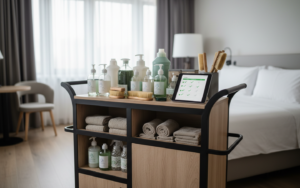
Housekeeping supervisors should review the products used in guest-facing areas. These include:
Bathroom soaps and toiletries.
Room sprays and air fresheners.
Cleaning products used on floors and surfaces.
Laundry detergents and fabric softeners.
Scented decorative products.
Guest welcome amenities.
The hotel should distinguish between products it controls directly and sources outside its control. For example, shared ventilation, neighbouring rooms and external laundry services might affect the room environment.
A clear preparation record helps employees identify completed actions and outstanding limitations.
Step 5: Coordinate Room Assignments and Department Handoffs
A request is useful only when the right employees receive the information at the right time.
The front desk should notify housekeeping before room preparation begins. If the assigned room changes, the request should follow the new room assignment.
Managers should establish a simple handoff process covering:
Who receives the original request.
Who confirms product availability.
Who assigns the preparation task.
Who checks completion.
Who informs the front desk of the final status.
The hotel should also define an escalation contact for requests received shortly before arrival.
Aiosell provides connected reservation and front-desk technology. Hotels should confirm the available reservation notes, room-status controls and integrations before using a platform to manage detailed housekeeping instructions.
Step 6: Inspect the Room Before Guest Arrival
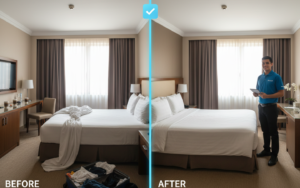
A final inspection helps confirm whether the team followed the recorded instructions.
The supervisor should check the room against the guest’s specific request rather than relying on a general cleanliness inspection.
The inspection should cover:
Approved cleaning products used.
Optional scented products removed or avoided.
Bathroom supplies reviewed.
Linen arrangements confirmed where requested.
Room preparation tasks completed.
Any limitations communicated to the front desk.
The employee should record the inspection outcome and report unresolved issues to the manager.
Hotels should not promise that a room contains no fragrance at all. A more accurate update describes the specific preparation steps completed and any known limitations.
Step 7: Confirm the Arrangement With the Guest
Before arrival, the hotel should provide a concise update when the request involves additional preparation or limitations.
Front-desk employees should confirm the actions completed without making unsupported claims.
For example:
“Our housekeeping team has prepared your room using the approved products available at the property and has avoided the scented room products you identified. Please let us know if you have any further preferences.”
If the hotel cannot meet a particular request, staff should explain the limitation and discuss available alternatives.
After check-in, employees should record any further feedback and share relevant updates with the responsible supervisor. This helps the team address concerns without repeating the entire request process.
Guest Requests for Fragrance-Sensitive Room Preparation Checklist
Hotel managers should use this checklist to review the property’s process.
Stage | Required action |
Request received | Record the guest’s specific preferences |
Feasibility check | Confirm suitable products and available arrangements |
Housekeeping handoff | Share clear preparation instructions |
Room preparation | Follow approved product and handling procedures |
Final inspection | Verify the requested steps |
Guest communication | Confirm completed actions and limitations |
Recordkeeping | Store the request and completion status |
Managers should review the checklist during housekeeping briefings. New employees should receive practical training on product selection, request documentation and escalation procedures.
How Hotel Technology Supports Guest Request Coordination
Hotels manage guest preferences through reservations, front-desk communication and housekeeping coordination. A connected system helps teams maintain access to relevant reservation information.
Aiosell offers hotel management software for connected reservation and front-desk operations. Hotels should verify the available guest-note and department-coordination features before relying on the platform for detailed fragrance-sensitive preparation workflows.
A hotel property management system also supports access to reservation information and room details, depending on the platform’s functionality. Where dedicated housekeeping task management is unavailable, hotels should maintain an approved checklist or separate task register.
Aiosell supports core hotel operations through connected technology. Clear procedures and staff communication should guide the preparation process alongside the software.
Conclusion
Fragrance-sensitive requests require accurate records, suitable product choices and clear communication between hotel departments. A consistent procedure helps front-desk employees capture preferences and gives housekeeping teams practical preparation instructions.
Handling guest requests for fragrance-sensitive room preparation also requires honest communication about product availability and room limitations. Regular staff training, final inspections and documented handoffs help hotels deliver more consistent guest service.
Frequently Asked Questions
How should hotels handle requests for fragrance-sensitive rooms?
Hotels should record the guest’s preferences, confirm available products, brief housekeeping and inspect the room before arrival. Staff should communicate any limitations clearly.
What should housekeeping avoid when preparing a fragrance-sensitive room?
Depending on the guest’s request, housekeeping should avoid specified scented sprays, air fresheners, toiletries and cleaning products. Supervisors should confirm suitable alternatives before preparation.
Should hotels promise a completely fragrance-free room?
No. Hotels should avoid this promise unless they have verified all relevant sources of fragrance. Staff should explain the specific preparation steps completed and any known limitations.
Who should coordinate fragrance-sensitive room requests?
A designated manager or housekeeping supervisor should coordinate the process. The front desk records the request, housekeeping prepares the room, and the supervisor confirms completion.
What should a hotel include in a fragrance-sensitive room preparation checklist?
The checklist should cover guest preferences, approved cleaning products, room supplies, housekeeping instructions, final inspection, guest communication and completion records.