Running a hotel or vacation rental business in 2026 means juggling bookings from multiple platforms while ensuring smooth, secure payment processing. When your channel manager and payment gateway work in isolation, you face double data entry, booking errors, and delayed payments. Integrating these two systems transforms your operations by automating reservation updates and payment collection across all channels. This article walks you through why this integration matters, how to set it up, and what pitfalls to avoid along the way.
Why Channel Manager Payment Gateway Integration Matters
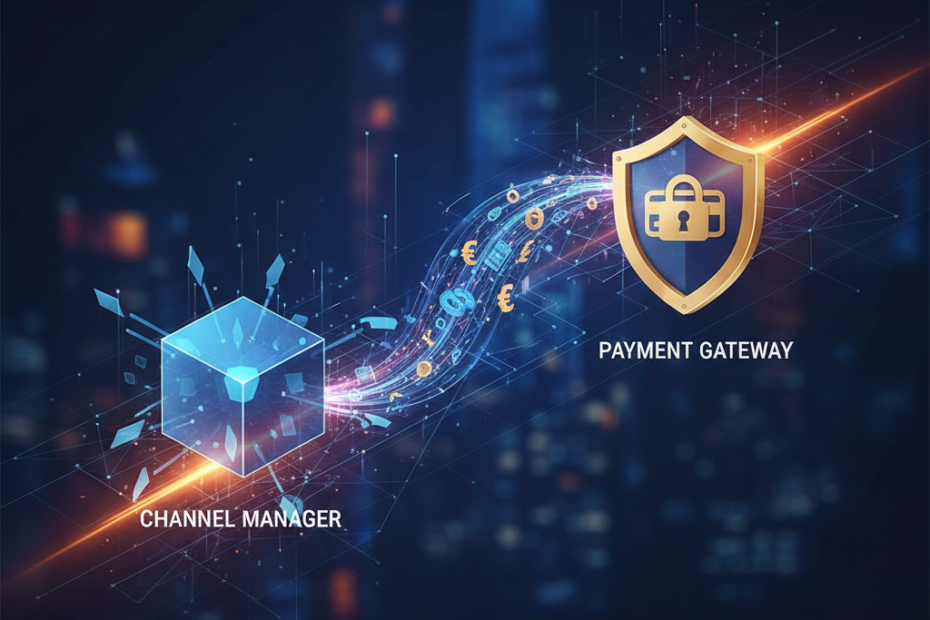
A channel manager distributes your property inventory across booking platforms like Booking.com, Airbnb, and Expedia. A payment gateway processes credit card transactions and transfers funds to your account. When these systems talk to each other, every confirmed booking triggers an automatic payment request, and every successful payment updates your availability in real time.
Without integration, your staff manually enters reservation details into your payment system, then logs back into the channel manager to confirm the booking. This workflow wastes time and introduces errors. A guest might book a room that appears available on one platform but was already sold on another. Integration eliminates these gaps by syncing booking data and payment status instantly across all channels.
Hotels that integrate channel manager with payment gateway report faster check-in times, fewer billing disputes, and improved cash flow. Guests receive immediate booking confirmations with payment receipts, which builds trust and reduces support inquiries. Your finance team gets accurate records without chasing down payment details from multiple sources.
How Integrated Systems Work Together
When a guest books a room through any online travel agency, the channel manager receives the reservation details. It then sends this data to your payment gateway using an API connection. The gateway charges the guest’s card and returns a success or failure message. If the payment succeeds, the channel manager updates room availability across all connected platforms and sends a confirmation email to the guest.
This entire process happens in seconds. The API connection uses secure protocols to protect sensitive payment information. Most modern channel managers support webhooks, which means the payment gateway can push updates back to the channel manager without constant polling. This two-way communication keeps your inventory accurate and prevents overbookings.
Real-Time Inventory Updates
The biggest advantage of integration is real-time synchronization. When a payment clears, your channel manager immediately blocks that room on all platforms. If a payment fails, the system releases the hold and notifies your team. This automatic adjustment prevents the common scenario where a room shows as available on one site but booked on another.
Steps to Integrate Channel Manager with Payment Gateway
Start by choosing a payment gateway that supports your channel manager. Popular options in 2026 include Stripe, PayPal, and Razorpay for properties in India. Check your channel manager’s documentation for a list of compatible gateways. Some platforms like Aiosell offer pre-built integrations that require minimal technical setup.
Next, create API credentials in your payment gateway dashboard. You will need a public key and a secret key. The public key identifies your account, while the secret key authenticates requests. Never share your secret key publicly or commit it to version control systems.
Log into your channel manager and navigate to the integrations or payment settings section. Enter your API credentials and select which payment methods you want to accept. Most systems let you choose between credit cards, debit cards, digital wallets, and bank transfers. Save your settings and run a test transaction to confirm the connection works.
Testing Your Integration
Before going live, create a test booking using your channel manager’s sandbox environment. Use test credit card numbers provided by your payment gateway. Verify that the payment processes correctly and that the booking appears in your channel manager with the right status. Check that inventory updates across all connected platforms. If any step fails, review your API credentials and error logs.
Common Pitfalls and How to Avoid Them
Many properties rush integration without proper testing. A misconfigured webhook can cause payment confirmations to fail silently, leaving guests charged but bookings unconfirmed. Always test multiple scenarios, including successful payments, declined cards, and network timeouts.
Another common mistake is ignoring currency conversion. If you list your property in multiple currencies, ensure your payment gateway handles conversion fees transparently. Guests should see the final charge in their local currency before completing the transaction. Hidden fees at checkout lead to abandoned bookings and negative reviews.
Security compliance is critical. Your integration must meet PCI DSS standards, which govern how you handle credit card data. Never store full card numbers in your channel manager. Let the payment gateway handle sensitive data and only store tokenized references. Regular security audits help you catch vulnerabilities before they become breaches.
Handling Failed Payments
Not every transaction succeeds. Cards get declined for insufficient funds, expired dates, or fraud prevention triggers. Your integration should automatically retry failed payments after a short delay. If the retry fails, notify your guest immediately with clear instructions on how to update their payment method. Automated email reminders reduce manual follow-up and improve your collection rate.
Benefits for Properties in India
The Indian hospitality market has grown rapidly, with domestic and international travelers booking through multiple channels. Properties that use Aiosell or similar platforms benefit from integrations designed for local payment preferences. UPI, net banking, and digital wallets like Paytm are essential payment options for Indian guests.
Payment gateway fees vary by provider and region. In India, domestic transactions typically cost between 1.5% and 2.5% per transaction. International payments may carry higher fees due to currency conversion and cross-border processing. Compare pricing structures before committing to a gateway, and factor these costs into your room rates.
Choosing the Right Tools
Your channel manager and payment gateway should scale with your business. Small properties with one or two listings can use simpler integrations with basic features. Larger hotels managing hundreds of rooms need robust systems that handle high transaction volumes and offer detailed reporting.
Look for platforms that provide 24/7 support and regular software updates. The hospitality technology landscape changes quickly, and your tools must keep pace with new booking channels and payment methods. Read user reviews and ask for references from properties similar to yours.
Conclusion
Integrating your channel manager with a payment gateway streamlines operations, reduces errors, and improves guest satisfaction. The setup process requires careful planning and thorough testing, but the long-term benefits far outweigh the initial effort. By automating booking confirmations and payment processing, you free your team to focus on delivering exceptional guest experiences. Whether you operate a boutique hotel or a large resort, this integration is essential for staying competitive in 2026 and beyond.