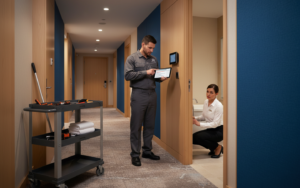
A guest reaches the reception desk, but the assigned room still needs a final inspection. The bed looks ready, yet the bathroom has missed cleaning checks. The supervisor must identify the issue, arrange corrections, and confirm room readiness before the guest enters.
A room-inspection checklist for supervisors gives housekeeping teams a consistent method to review cleanliness, room condition, amenities and presentation. It also helps supervisors record defects, assign corrective work, and reduce missed checks during busy periods.
Why Room Inspections Matter in Hotel Operations
Housekeeping staff clean rooms according to assigned tasks and schedules. Supervisors verify whether each room meets the hotel’s expected standards before the room returns to available status.
Without a consistent inspection process, different supervisors might follow different standards. Some might focus on visible cleanliness while overlooking equipment, linen or bathroom details.
A structured inspection process helps hotels:
Maintain consistent room-cleaning standards.
Identify missed housekeeping tasks.
Report maintenance issues before guest arrival.
Reduce room-readiness delays.
Improve coordination between housekeeping and reception.
Maintain records of recurring quality problems.
Room inspections should follow the hotel’s room category, service standards and operating procedures.
Define the Inspection Standards Before Creating the Checklist
Supervisors need clear standards before they begin inspections. A checklist should explain what a satisfactory room looks like, rather than relying on personal judgement.
Hotel managers should define standards for:
Cleanliness
Specify expectations for floors, furniture, windows, bathrooms, mirrors, surfaces and high-touch areas. Include visible stains, dust, odours and waste disposal.
Linen and Bedding
Set requirements for fresh linen, pillow covers, mattress presentation, towels and replacement of damaged items.
Amenities and Supplies
List the guest supplies expected in each room category. Include toiletries, drinking water, stationery and other standard items provided by the hotel.
Furniture and Equipment
Identify the expected condition of furniture, lighting, switches, television, air conditioning and bathroom fittings. Supervisors should report defects instead of treating equipment problems as housekeeping failures.
Room Presentation
Define standards for curtains, furniture placement, room temperature where applicable and the overall appearance of the room.
These standards should remain consistent across shifts. Update the checklist whenever hotel policies, room categories or service requirements change.
A Room-Inspection Checklist for Supervisors
A practical inspection should follow a fixed sequence. Supervisors should inspect each area, record the result and report issues before approving room readiness.
1. Entrance and General Room Condition
Entrance door and handle are clean.
Door lock and safety latch function correctly.
Floors are clean and free from visible debris.
Walls, ceilings and corners show no visible dirt.
Furniture surfaces are dust-free.
Curtains and windows are clean and properly arranged.
Lights and switches function correctly.
Room has no unusual or unpleasant odour.
2. Bed and Linen
Bedsheets are clean and free from stains.
Pillow covers are fresh and correctly fitted.
Pillows are arranged according to hotel standards.
Mattress and bed frame show no visible damage.
Bedside tables are clean.
Bedside lights and switches function correctly.
Extra bedding is available where required.
3. Bathroom Inspection
Toilet, washbasin and shower area are clean.
Mirrors and glass surfaces are free from marks.
Taps and shower fittings function correctly.
Drains are clear and water flows properly.
Floors and bathroom surfaces are dry.
Fresh towels are arranged correctly.
Toiletries are replenished.
Waste bins are empty and clean.
No visible leakage or plumbing issue is present.
4. Guest Amenities and Equipment
Drinking water is available according to hotel policy.
Tea and coffee supplies are replenished where provided.
Television and remote control function correctly.
Air conditioning operates as expected.
Telephone functions correctly where provided.
Wi-Fi information is available.
Wardrobe, hangers and luggage space are clean.
Guest information materials are current.
5. Final Presentation and Safety Checks
Furniture is arranged correctly.
Waste bins are empty.
Guest supplies match the room category.
Balcony or external access area is clean where applicable.
Windows and balcony doors close securely.
No visible damage or maintenance concern is left unreported.
Room presentation matches hotel standards.
Supervisors should mark each item as pass, fail or not applicable. Failed items need a clear description and follow-up action.
How Supervisors Should Record Inspection Results
A checklist works best when every inspection produces a clear record. A simple inspection sheet should include:
Record Field | Information to Capture |
Room number | Inspected room reference |
Room category | Standard, deluxe, suite or other category |
Inspection date and time | When the inspection took place |
Housekeeping employee | Person responsible for room cleaning |
Supervisor | Person conducting the inspection |
Inspection result | Pass, fail or pending correction |
Issue description | Specific missed task or defect |
Corrective action | Work required to resolve the issue |
Follow-up status | Pending, corrected or reinspection required |
Final room status | Approved or not ready |
Avoid vague comments such as “room not clean.” Record the exact issue, such as “dust visible on bedside table” or “bathroom tap leaking.”
Specific records help housekeeping employees understand what needs correction. They also help managers identify recurring problems.
Best Practices for Consistent Room Inspections
A room-inspection checklist for supervisors should support daily quality control. Supervisors need a consistent method for applying standards across employees and shifts.
Follow the Same Inspection Sequence
Inspect rooms in a fixed order. For example, begin at the entrance, move through the sleeping area, inspect the bathroom and finish with the final presentation checks. A fixed sequence reduces the risk of missed areas.
Give Specific Feedback
When a room fails inspection, explain the exact issue. Show the employee the expected standard and confirm the correction. Avoid general feedback without a clear action.
Reinspect Failed Rooms
Do not approve a room immediately after reporting a missed task. Check the corrected area before confirming room readiness.
Track Repeat Issues
Review inspection records to identify repeated problems. Frequent dust issues, missing supplies or bathroom cleaning gaps might indicate a need for additional training or changes to the cleaning process.
Coordinate With Maintenance
Housekeeping supervisors should report equipment faults, leaks, damaged furniture and electrical concerns through the hotel’s approved reporting process. Keep the room unavailable until the responsible team confirms the required work and the room meets hotel standards.
Train New Supervisors
Use practical demonstrations and sample rooms to train new supervisors. Ask them to inspect the same room independently, then compare results against the hotel’s approved standards.
Coordinate Room Readiness With the Front Desk
Housekeeping inspection and front-desk room status must stay aligned. A room should not appear ready for guest allocation before the inspection and any required corrections are complete.
Set a clear communication process:
Housekeeping updates the cleaning status.
The supervisor completes the inspection.
Failed items go back to the responsible employee or department.
The supervisor reinspects the corrected room.
Housekeeping updates the final status.
Reception receives the confirmed room-readiness update.
This process reduces confusion during peak arrival periods. It also prevents reception staff from assigning rooms based on outdated information.
Use Hotel Technology to Maintain Inspection Records
Paper checklists work for smaller operations, but managers need a reliable record of room status and inspection outcomes. Hotels should choose a system that supports their actual housekeeping workflow.
Aiosell supports connected hotel operations through reservation, front-desk and revenue management functions. Hotels should review their available system features and integrations when planning room-status communication.
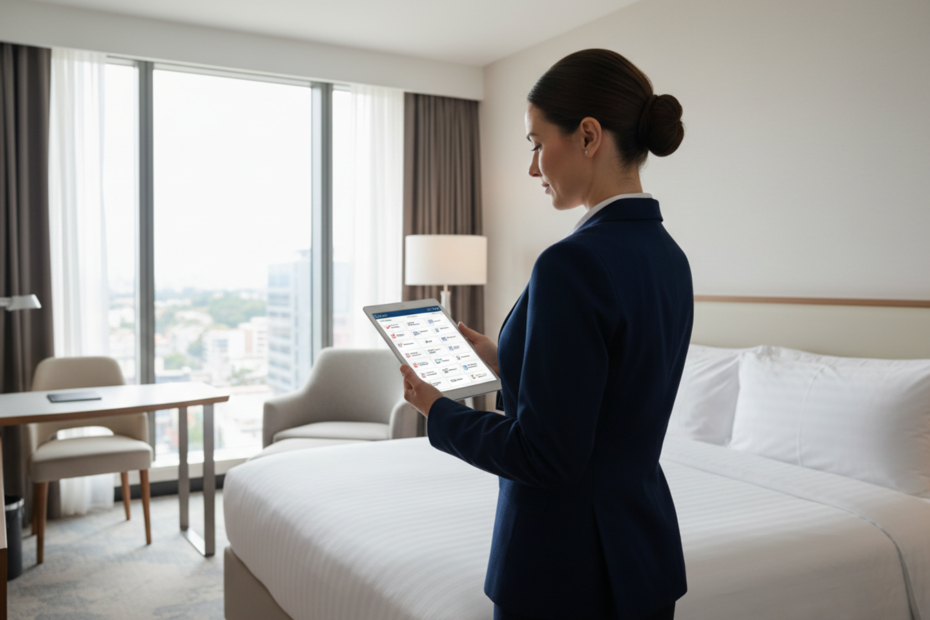
Where the hotel’s setup supports digital housekeeping updates, staff should enter room changes promptly. Managers should also define who updates records and who confirms final readiness.
Technology supports coordination, but staff still need clear inspection standards and training. Aiosell should form part of the wider hotel operations process, alongside housekeeping procedures and supervisor reviews.
Measure Housekeeping Inspection Performance
Managers should review inspection results regularly. Useful measures include:
KPI | What Managers Should Review |
First-pass inspection rate | Percentage of rooms approved without correction |
Reinspection rate | Percentage of rooms requiring another inspection |
Room-readiness delay | Time between cleaning completion and final approval |
Repeat defect rate | Frequency of recurring cleanliness or maintenance issues |
Guest complaints about room condition | Reports linked to cleanliness or room presentation |
Inspection completion rate | Percentage of assigned rooms inspected |
Compare results across shifts, room categories and housekeeping teams. Use the findings to improve training, staffing and cleaning procedures.
Conclusion
Consistent room inspections help Indian hotels maintain housekeeping standards and improve room readiness. Define clear inspection criteria, train supervisors, record failed checks and verify corrections before approving rooms.
A structured process also gives managers useful information about recurring defects and training needs. With clear procedures and connected hotel operations, Aiosell supports the wider coordination required to keep hotel teams informed and rooms ready for guests.
FAQs
What Should a Hotel Room Inspection Checklist Include?
A checklist should cover entrance areas, cleanliness, bedding, bathrooms, guest amenities, equipment, room presentation and visible safety concerns. Include fields for inspection results and corrective actions.
Who Should Inspect Hotel Rooms After Housekeeping?
A housekeeping supervisor or another authorised team member should inspect rooms according to hotel policy. The person should verify cleaning standards and report defects before confirming readiness.
How Often Should Supervisors Inspect Hotel Rooms?
Supervisors should inspect rooms after cleaning and before the hotel marks them ready for guest allocation. Managers should also schedule periodic quality reviews based on occupancy and operating requirements.
What Should Supervisors Do When a Room Fails Inspection?
Record the exact issue, assign corrective work and arrange a reinspection. Update the room status only after the required correction meets hotel standards.
How Do Room Inspections Improve Hotel Operations?
Room inspections help maintain consistent cleanliness, identify defects, reduce missed tasks and improve coordination between housekeeping and reception.