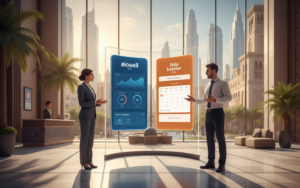
Walk into any hotel office and ask what software they use. You’ll get a list that’s either far too short or far too long. Some places run everything from a single screen. Others have a PMS from one company, a channel manager from another, a restaurant system from a third, accounts in Tally or Excel, and a WhatsApp group holding it all together. Neither is automatically wrong.
But it helps to see the whole picture once, with each layer named, so you know what you’ve got, what’s missing and what’s just overlapping. This is a map of the pieces most hotels need in 2026, roughly in the order guests touch them, followed by the big decision: one suite that does it all, or separate tools from separate vendors. I’m not selling a particular setup here. The idea is that you can point at your own hotel and say yes we have that, no we don’t, and oh, we’re paying for two of these.
The core: your property management system
Everything else hangs off this, so treat it like the foundation of a building. The property management system holds your rooms, reservations, guest records, and bills. Front desk uses it all day, housekeeping reads room status from it, and accounts pulls numbers out of it at month-end. If this layer is weak, every other tool you add will be working with bad data.
A cloud system is now the normal choice, because you can open it from a phone, nobody has to maintain a server, and updates roll out on their own. It also makes it easier to connect the rest of your stack, which is where most of the value comes from.
What to check first
The boring basics. How fast is check-in, can you split a bill easily, is the night audit reliable, can you set staff permissions properly. Also check how it handles the end of the month. If your accountant is exporting reports into spreadsheets and cleaning them for two days, something upstream is off, and it’s usually here.
Distribution: how guests find and book you
The next layer is how rooms get sold. A hotel channel manager pushes rates and availability to the OTAs and brings the bookings back, so you don’t update five extranets by hand. A booking engine sits on your website and takes direct bookings without paying commission. Add metasearch, like Google hotel listings, and you’ve got the three parts of distribution most independent hotels need.
The key thing to check is whether these talk to the PMS live. If your channel manager is a separate product, ask what happens when it goes down or when a sync fails. Many owners find out about overbookings from an angry guest at the desk, and that’s a bad way to learn how your stack works. Ask for the sync log in the demo and see what a failure looks like.
Don’t forget reviews
A reviews and reputation management tool collects guest feedback across sites in one view, so someone on your team can answer quickly instead of checking five different pages. Direct and OTA bookings should end up in the same place, instantly, and so should the feedback that follows them.
Revenue and pricing tools
This layer decides what you charge. At the simple end it’s a spreadsheet and a gut feeling, which works until it doesn’t. At the other end is a revenue management system that looks at demand, season, booking window, and competitor rates, then suggests or sets prices through dynamic pricing.
For a small hotel, it’s often the layer with the highest return, because a few percent on every room night adds up fast. But it only works if it’s wired into your channel manager, so new rates reach the OTAs without you retyping them. That live link is the difference between a pricing tool and a pricing report.
Start simple
If you’re not ready for full automation, start by reviewing rates daily using a pickup report and a simple view of your competitors. Move to automatic pricing once you trust the data you’re feeding it. Bad data in means bad prices out, so clean up your room types and rate plans first.
Operations and the back office
Behind the guest-facing tools sit the ones that keep the building running. A point-of-sale system for the restaurant, bar or spa should post charges to the guest folio automatically. Housekeeping and maintenance tools tell staff which rooms to clean first and flag what’s broken. Purchase and inventory, accounting and HR cover stock, bills and people.
For a hotel with a restaurant, banquets or a few dozen staff, these used to mean three or four different programs and a lot of re-entering. Nobody enjoys typing the same bill twice. Now they can live inside the same system as the PMS, though you don’t need all of them on day one. Pick the one that currently costs you the most time and fix that first.
One small tip
Ask for a demo of the housekeeping and maintenance screens on a phone, because that’s what your floor staff will actually be holding. And make sure whatever you choose can connect to the others later.
One suite or many tools?
Here’s the honest answer: both work, depending on your size and your team. Separate best-of-breed tools can be stronger in one area, say a specialist revenue system, but you pay for it in extra logins, extra invoices and finger-pointing between vendors when something doesn’t sync. An all-in-one suite gives you one login, shared data, and one support call, though individual modules may not match a specialist’s depth.
Small and mid-size hotels usually do better with the suite, because they don’t have an IT person to glue things together. Larger hotels sometimes mix. Aiosell takes the all-in-one route, with PMS, channel manager, booking engine, revenue pricing, POS, reviews, and back-office tools under one login, and you can add modules as you grow. Whatever you pick, map your own stack on one page first and see where the gaps are. Circle anything you pay for twice and anything you still do on paper. Those two lists usually tell you where to start.