Running a hotel without the right technology is like trying to juggle blindfolded. You might manage for a while, but eventually, something drops. Hotel management software has become the backbone of modern hospitality operations, helping properties of all sizes streamline everything from bookings to billing. Whether you run a boutique bed-and-breakfast or a multi-property chain, understanding what this software does and how it can transform your business is essential.
What Is Hotel Management Software?
Hotel management software is a digital platform that automates and centralizes the daily operations of a hotel or lodging property. Think of it as the command center where reservations, guest check-ins, housekeeping schedules, billing, and reporting all come together under one roof. Instead of juggling spreadsheets, paper logs, and disconnected systems, hoteliers can manage their entire property from a single dashboard.
At its core, this software replaces manual processes with automated workflows. When a guest books a room online, the system updates availability across all channels instantly. When housekeeping marks a room clean, the front desk knows immediately. This real-time coordination eliminates double bookings, reduces errors, and frees up staff to focus on guest experience rather than administrative tasks.
Core Features That Make the Difference
Modern hotel management software goes far beyond basic booking calendars. A robust system includes a property management system (PMS) that handles reservations, guest profiles, and room assignments. It tracks who’s checking in today, which rooms need cleaning, and how many guests are expected tomorrow. The best platforms also include point-of-sale (POS) functionality for restaurants, bars, and gift shops, so all revenue streams flow through one system.
Channel management is another critical feature. Your property likely appears on multiple booking sites like Booking.com, Expedia, and Airbnb. A good system automatically syncs inventory across all these channels, so you never accidentally overbook. When someone reserves a room on any platform, the software updates availability everywhere else in seconds. This automation saves hours of manual work and prevents costly mistakes.
Revenue management tools help you price rooms strategically based on demand, local events, and competitor rates. Rather than guessing whether to raise or lower prices, the software analyzes market data and suggests optimal rates. Some platforms also include guest relationship management (CRM) features that track preferences, special requests, and booking history, helping you deliver personalized service that turns first-time visitors into loyal regulars.
Mobile Access and Contactless Technology
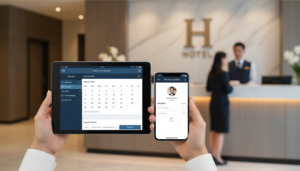
The shift toward mobile-first operations has accelerated dramatically. Staff can now manage check-ins, update room status, and process payments from tablets or smartphones. Guests appreciate contactless options like mobile check-in and digital room keys, which became essential during the pandemic and remain popular in 2026. These features reduce wait times at the front desk and give guests more control over their stay.
Benefits of Hotel Management Software
The advantages go well beyond convenience. First, you gain operational efficiency. Tasks that once took hours, like running night audits or reconciling payments, happen automatically. Your team spends less time on paperwork and more time creating memorable guest experiences. This efficiency translates directly to cost savings through reduced labor hours and fewer errors.
Revenue optimization is another major benefit. Dynamic pricing tools help you maximize income during high-demand periods while staying competitive during slower times. Integrated marketing features let you send targeted promotions to past guests, encouraging direct bookings that bypass commission-heavy third-party sites. Over time, these improvements to your bottom line add up significantly.
Data insights transform how you make decisions. Instead of relying on gut feelings, you can see exactly which room types sell best, which seasons bring the most revenue, and where guests come from. This information helps you plan renovations, adjust staffing levels, and focus marketing efforts where they’ll have the biggest impact. Real-time reporting means you always know how your property is performing today, not last month.
Choosing the Best Hotel Management Software
Not all systems are created equal, and the right choice depends on your property’s specific needs. Small independent hotels need simplicity and affordability, while larger properties require advanced features and multi-property capabilities. Start by listing your must-have features versus nice-to-haves. Do you need robust POS integration? Multi-language support? Specific accounting software connections?
Ease of use matters more than you might think. A system packed with features won’t help if your team finds it too complicated to use daily. Look for intuitive interfaces that require minimal training. Many providers offer free trials or demos, so test the software with actual staff members who’ll use it every day. Their feedback is invaluable.
Integration capabilities determine how well the software fits into your existing tech stack. Can it connect with your accounting software like QuickBooks or Tally? Does it work with your preferred payment gateway? Does it support the online travel agencies (OTAs) where you list your property? Seamless integration prevents data silos and reduces the need to enter information multiple times.
Why Aiosell Stands Out
When evaluating options, consider platforms that combine simplicity with comprehensive functionality. Aiosell offers an all-in-one hotel management system that brings PMS, revenue management, POS, channel management, reviews, and OTA connections under a single login. This unified approach eliminates the complexity of managing multiple separate tools.
What sets Aiosell apart is its focus on automation. The system handles automatic room management, so you don’t need to manually enter OTA bookings. Night audits and no-show marking on OTAs happen automatically, saving significant time. The mobile app lets staff automate front desk tasks from anywhere, while contactless check-in and guest CRM features enhance the guest experience. User profiles with different privilege levels ensure team members access only what they need.
Aiosell also includes features many competitors charge extra for: a full POS system, stores and purchase modules, and accounting integration with QuickBooks and Tally. Marketing tools like dynamic pricing, a booking engine with payment gateway, Google Free Links, Hotel Ads, reputation management, and a competition rate shopper come standard. For properties managing multiple locations, the multi-property system and central reservation system (CRS) provide enterprise-level capabilities without enterprise-level complexity.
Making the Transition
Switching to new software can feel daunting, but the long-term benefits far outweigh the short-term learning curve. Most providers offer implementation support, training, and ongoing customer service. Plan the transition during a slower period when staff have more time to learn the new system. Import existing guest data carefully to maintain continuity in your records.
Communicate changes to your team early and often. Explain how the new system will make their jobs easier, not harder. Designate a few tech-savvy staff members as internal champions who can help colleagues troubleshoot issues. Celebrate small wins as the team becomes more comfortable with the platform. Within a few weeks, most properties find that operations run more smoothly than they ever did with old methods.
Hotel management software has evolved from a luxury to a necessity in today’s hospitality industry. The right system transforms how you operate, giving you more time to focus on what matters most: creating exceptional guest experiences. As you evaluate options, prioritize platforms that combine ease of use with powerful automation, seamless integrations, and comprehensive features. Your future self, and your guests, will thank you.