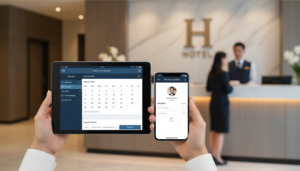
Re-opening a hotel after renovation presents a unique challenge. You need to coordinate inventory, update room details across dozens of booking channels, and ensure your property appears online the moment doors open. A channel manager becomes your most valuable tool during this transition. It synchronizes availability, rates, and property information across all distribution channels in real time, preventing overbookings and lost revenue. Without one, you risk manual errors, outdated listings, and frustrated guests who book rooms that no longer exist or have changed significantly.
Why Channel Management Matters More During a Hotel Reopening
When your hotel reopens after renovation, you face a compressed timeline. Every day offline costs revenue, and your first impression with returning guests matters immensely. A reopening hotel channel manager helps you launch faster by pushing updated room types, photos, and amenities to all connected channels simultaneously. Instead of logging into 10 or 20 different platforms to manually update each listing, you make changes once and watch them propagate everywhere.
Renovations often change your inventory mix. You might combine two standard rooms into a suite, add accessibility features, or rebrand room categories entirely. These changes must reflect accurately on every OTA, metasearch engine, and direct booking channel. A channel manager ensures consistency, which builds trust with travelers who compare your property across multiple platforms before booking.
Hotel Reopening Strategies That Rely on Channel Managers
Successful hotel reopening strategies start with visibility. You want your property to appear in search results the day you reopen, ideally with updated photos and descriptions that showcase your improvements. Channel managers allow you to schedule rate and availability updates in advance. You can set your reopening date, load your new rate structure, and let the system activate everything automatically when the time comes.
Dynamic pricing becomes critical during reopening. Demand patterns may have shifted during your closure, and you need flexibility to test different rate points without spending hours updating each channel. Modern channel management for reopening includes rate intelligence tools that analyze competitor pricing and market demand. You can adjust rates quickly based on real-time data, maximizing revenue during your crucial first weeks back.
Another strategy involves phased reopening. Some hotels reopen with limited inventory, adding floors or wings gradually. A channel manager lets you control which room types appear on which channels at any given time. You might offer only premium rooms on high-commission OTAs initially while reserving standard rooms for direct bookings through your website.
Choosing the Right Channel Manager for Your Reopening
Not all channel managers suit every reopening scenario. Look for platforms that offer robust property mapping tools. These features let you match your renovated room types to the correct categories on each OTA. Mismatched room types lead to guest complaints and negative reviews, exactly what you want to avoid during a relaunch.
Integration depth matters too. Your reopening hotels with channel manager setup should connect seamlessly with your property management system, booking engine, and revenue management software. This creates a unified technology stack where data flows automatically between systems. When a guest books through Booking.com, that reservation should instantly appear in your PMS and adjust availability everywhere else without manual intervention.
Support quality becomes critical during reopening. You need a vendor who responds quickly when technical issues arise. Look for channel managers that offer dedicated onboarding assistance and reopening checklists. Some providers, like Aiosell, specialize in helping hotels through transitions like renovations and reopenings with tailored support packages.
Implementation Timeline for Channel Managers Before Reopening
Start your channel manager setup at least four to six weeks before your planned reopening date. This gives you time to map all room types, upload new photos, write fresh descriptions, and test the connection with each channel. You want to identify and fix any technical issues before you go live, not on opening day when you’re already managing a dozen other priorities.
Use the first two weeks to complete the technical setup. Connect your PMS, configure rate plans, and map room types across all channels. Week three should focus on content updates. Upload high-quality photos of your renovated spaces, rewrite room descriptions to highlight new features, and update amenity lists. Reserve the final week for testing. Make test bookings through different channels, verify they appear correctly in your PMS, and confirm that cancellations and modifications sync properly.
Common Pitfalls When Reopening Without a Channel Manager
Hotels that attempt to manage multiple channels manually during reopening face predictable problems. Overbookings occur when one staff member updates availability on Expedia while another takes a phone reservation, neither knowing about the other’s action. These mistakes damage your reputation precisely when you need positive momentum.
Rate parity violations become more likely without automated distribution. If your rates differ across channels due to manual update delays, OTAs may penalize your ranking or terminate your partnership. Guests also lose trust when they find different prices for the same room on different platforms.
Outdated information persists longer without centralized management. A guest might book based on pre-renovation room features shown on one OTA, only to arrive and find something completely different. The resulting dispute costs you time, money, and potentially a negative review that follows your property for years.
Maximizing Direct Bookings Through Your Channel Manager
While OTAs drive volume, direct bookings deliver higher profit margins. Your channel manager should connect to your website booking engine with the same reliability as third-party channels. This ensures rate parity compliance while giving you tools to make direct booking more attractive. You can offer exclusive perks, flexible cancellation policies, or loyalty points only available on your website.
Use your channel manager’s reporting features to track which channels generate the best guests and highest revenue per booking. This data helps you allocate marketing budget more effectively during your reopening campaign. You might discover that certain niche OTAs deliver guests who spend more on ancillary services or leave better reviews, making them worth prioritizing despite lower booking volume.
Conclusion
A channel manager transforms hotel reopening from a logistical nightmare into a coordinated launch. It gives you centralized control over your distribution, ensures accuracy across all platforms, and frees your team to focus on guest experience rather than manual data entry. Whether you’re reopening after a minor refresh or a complete transformation, the right channel management system helps you capture demand immediately, avoid costly mistakes, and build momentum from day one. Invest in a robust platform, allow adequate setup time, and use the data it provides to refine your strategy as you welcome guests back to your renovated property.