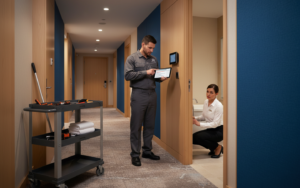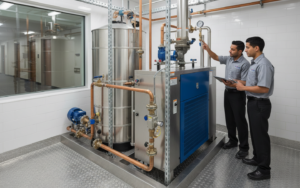
A guest reports that the air conditioning in their room is not working. The front-office employee informs maintenance, but nobody updates the guest about the repair. After waiting, the guest contacts the front desk again. This situation highlights how poor complaint handling affects guest satisfaction.
Hotels receive complaints about room cleanliness, billing, staff behaviour, food quality, maintenance and service delays. Employees need clear instructions to respond consistently and resolve concerns without unnecessary delays.
A standard operating procedure for guest complaints helps hotel teams follow a defined process for receiving, recording, investigating and resolving guest concerns. Hotel owners and operations leaders should establish clear responsibilities so every department understands its role.
This guide explains how Indian hotels should create a practical complaint-handling procedure and monitor its effectiveness.
Why Hotels Need a Guest Complaint SOP
Guest complaints provide useful information about service gaps and operational problems. A consistent process helps employees respond professionally instead of handling every complaint differently.
A documented procedure helps hotels:
Respond to complaints within defined timeframes.
Assign issues to the responsible departments.
Maintain accurate complaint records.
Reduce repeated guest concerns.
Improve communication between departments.
Identify recurring service problems.
Review employee performance and service quality.
Without a standard process, employees might overlook complaints, provide inconsistent responses or fail to follow up after promising a resolution.
Identify Common Types of Hotel Guest Complaints
Before creating the procedure, identify the complaints employees handle most frequently.
Room and Housekeeping Complaints
Guests might report unclean rooms, missing amenities, linen problems, unpleasant odours or delayed room preparation.
Housekeeping supervisors should inspect the issue and coordinate corrective action.
Maintenance Complaints
Common concerns include air-conditioning failures, plumbing problems, electrical issues, Wi-Fi interruptions and equipment malfunctions.
The front office should record the complaint and notify the maintenance team with relevant room details.
Billing and Payment Complaints
Guests might question room rates, taxes, restaurant charges, refunds or additional service fees.
Front-office or accounts employees should verify the transaction records before explaining or correcting the charge.
Food and Beverage Complaints
Complaints might involve food quality, incorrect orders, service delays or restaurant cleanliness.
The food and beverage manager should investigate the concern and coordinate with the relevant team.
Staff Behaviour and Service Complaints
Guests might report poor communication, delayed assistance or unprofessional behaviour.
Department heads should review the incident, speak with the employees involved and identify suitable corrective action.
Steps to Create a Standard Guest Complaint Handling Process
Hotels should establish a consistent sequence for managing complaints. Every employee should understand the process, from the first guest interaction to final follow-up.
1. Receive the Complaint Professionally
Listen carefully without interrupting the guest. Allow them to explain the issue and acknowledge their concern.
Employees should remain calm and avoid arguing or making promises before checking the facts.
2. Record the Complaint
Enter the complaint into the hotel’s approved reporting system or complaint register.
Record essential details such as:
Guest name and room number.
Date and time of the complaint.
Description of the issue.
Department responsible.
Action already taken.
Employee handling the complaint.
Expected resolution time.
Accurate records help managers track complaints and prevent missed follow-ups.
3. Assign the Complaint to the Right Department
Identify which team should investigate and resolve the issue.
For example, housekeeping should handle cleanliness concerns, maintenance should investigate equipment problems, and accounts should review billing disputes.
The front office should monitor the complaint until the responsible department confirms completion.
4. Investigate the Issue
The responsible employee should check the available information and identify the cause.
For a billing complaint, review the guest folio and transaction records. For a maintenance complaint, inspect the equipment and determine the required repair.
Employees should avoid assuming the cause without verification.
5. Provide a Suitable Resolution
Explain the proposed action to the guest. Depending on the complaint, the response might involve cleaning, repair, correction of a bill or another service-related solution.
Follow hotel approval procedures before offering refunds, discounts or compensation.
6. Confirm Resolution with the Guest
After completing the action, contact the guest and confirm whether the issue has been resolved.
If the guest remains dissatisfied, escalate the matter to the front-office manager or general manager.
7. Close and Review the Complaint
Update the complaint record with the action taken, completion time and guest feedback.
Managers should review closed complaints to identify recurring problems and improvements needed in hotel operations.
A Standard Operating Procedure for Guest Complaints Checklist
Hotel owners and department heads should use a checklist to confirm every stage of complaint handling.
Before closing a complaint, verify the following:
The guest’s concern has been heard.
The complaint has been recorded accurately.
The issue has been assigned to the correct department.
A responsible employee has been identified.
The complaint has been investigated.
Corrective action has been approved where required.
The guest has received an update.
The resolution has been completed.
Guest satisfaction has been checked.
The complaint record has been updated.
Repeated issues have been reported to management.
Keep the checklist accessible to front-office employees and department supervisors. Review the process regularly to ensure employees follow the same procedure.
Best Practices for Guest Complaint Management
A written procedure provides structure, but employee behaviour and departmental coordination determine how effectively complaints are resolved.
Set Clear Response Timeframes
Define expected response times for different complaint categories. Urgent maintenance or safety concerns should receive immediate attention through the hotel’s escalation process.
Routine service requests should also have clear follow-up expectations.
Train Employees to Handle Difficult Conversations
Train front-office employees to listen carefully, communicate politely and remain professional during difficult interactions.
Use practical examples during training sessions. Employees should know when to resolve an issue themselves and when to involve a supervisor.
Establish an Escalation Structure
Create clear guidelines for complaints requiring management attention.
For example:
Routine service concerns go to the responsible department.
Repeated complaints go to the department head.
Serious guest disputes go to the general manager.
Safety-related concerns follow the hotel’s emergency procedures.
Maintain Communication Between Departments
The front office should receive updates from housekeeping, maintenance, food and beverage and other responsible teams.
A complaint should not remain open without a clear owner or follow-up plan.
Analyse Repeated Complaints
Review complaint records to identify recurring issues. If several guests report the same air-conditioning problem, management should investigate the equipment and maintenance process.
Use complaint trends to improve training, staffing and operating procedures.
How Technology Supports Guest Complaint Management
Managing complaints through verbal instructions and scattered registers makes follow-ups difficult. Hotel management systems help employees access relevant guest and reservation information during daily operations.
Aiosell provides integrated hotel management technology covering reservations, front-desk operations and revenue management. Connected operational information helps front-office teams manage booking-related activities and guest records.
Hotels evaluating hotel management software should assess how the system supports front-desk workflows and access to relevant operational information.
Aiosell supports connected hotel operations through integrated technology. Hotels should combine suitable digital systems with a dedicated complaint register, clear task ownership and regular employee communication.
How Hotel Managers Should Measure Complaint Handling Performance
Hotel owners and general managers should review complaint records to understand service quality and operational performance.
Track the following indicators:
Total complaints received during the review period.
Average complaint resolution time.
Number of unresolved complaints.
Repeated complaints by category.
Complaints escalated to management.
Guest feedback after resolution.
Complaints linked to specific departments.
Review these indicators during regular management meetings. Identify the reasons behind repeated complaints and assign corrective actions to the responsible department.
For example, frequent cleanliness complaints might indicate gaps in housekeeping inspections or staff training. Repeated billing disputes might require a review of front-office billing procedures.
Conclusion
A structured complaint-handling process helps hotels respond consistently, coordinate departments and identify service gaps. Hotel owners and operations leaders should establish clear responsibilities, train employees and review complaint records regularly.
A standard operating procedure for guest complaints gives hotel teams a clear process for managing concerns from initial reporting to final resolution. Aiosell supports hotel operations through integrated technology for reservations, front-desk activities and revenue management. Hotels should combine suitable technology with trained employees and consistent service procedures to improve guest complaint management.
FAQs
Why do hotels need a guest complaint SOP?
A guest complaint SOP gives employees a consistent process for receiving, recording, investigating and resolving guest concerns. It also helps managers monitor service issues.
Who should handle guest complaints in a hotel?
The front office usually receives and records complaints. The responsible department investigates the issue, while supervisors and managers handle escalations.
What details should hotels record when receiving complaints?
Hotels should record the guest’s details, complaint description, date, time, responsible department, action taken and resolution status.
How should hotels handle unresolved guest complaints?
Employees should inform the guest about the delay and escalate the issue to the appropriate supervisor. Managers should assign responsibility and monitor progress until resolution.
How often should hotels review guest complaints?
Managers should review complaints regularly, preferably through daily operational checks and monthly trend analysis. Frequent reviews help identify recurring service problems.