The next decade will transform how hotels run and serve guests. As we look ahead to 2030, hotel management software is not just about automating tasks or saving time. The real story is how advanced, integrated hotel software will shape the guest experience, drive profit, and help hotels stay ahead in a fast-changing industry. Understanding what comes next will help hoteliers, managers, and tech providers prepare for success.
Rise of Integrated Software Solutions
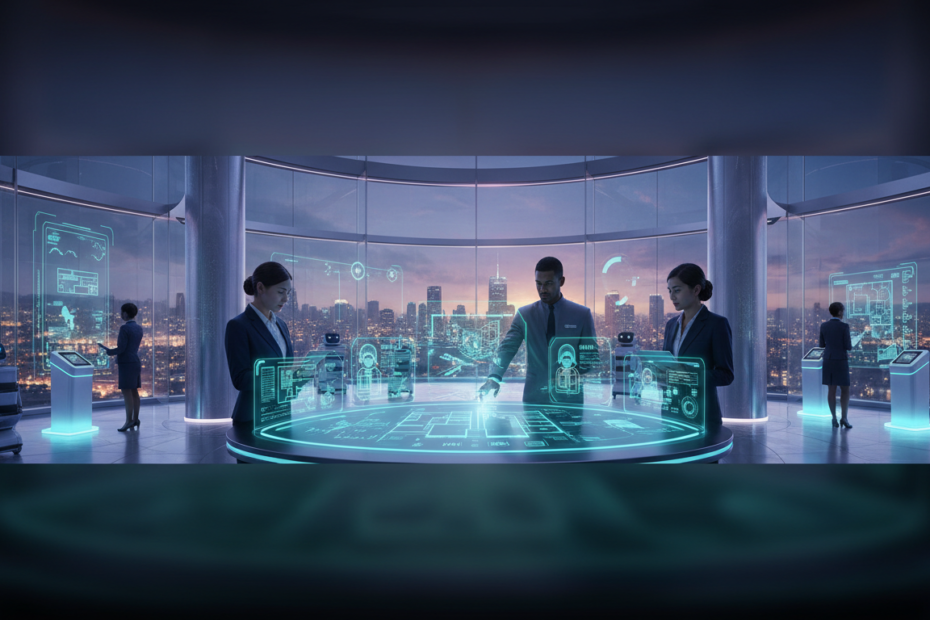
By 2030, integrated software solutions will be the future of hotel industry operations. Instead of juggling many platforms, future hotel software will connect all hotel functions. Front desk, revenue management, housekeeping, and guest communication will work together in a single, smart system. This shift means fewer errors, faster decision-making, and a smoother experience for both staff and guests.
Leading hotel tech providers, like Aiosell, are already pushing for this all-in-one approach. Their platforms show how integration increases efficiency and reduces costs. As more hotels see the benefits, we can expect full integration to become the new standard across the sector.
AI and Automation: Smarter Operations
Artificial intelligence (AI) will drive the next leap in hotel management software. By 2030, AI-powered features will handle everything from dynamic pricing to guest messaging and even predictive maintenance. This means hotels can offer personalized experiences at scale, spot trends, and solve problems before they affect guests.
For example, future of RMS (Revenue Management Systems) will use AI to analyze real-time demand and competitor rates, then set prices automatically for each room type and night. This boosts revenue and saves managers hours of manual work. Automation will also handle routine tasks, like sending check-in details or managing housekeeping schedules, freeing staff to focus on guest care.
Personalization and the Guest Experience
One of the most exciting trends is how hotel management software will personalize every guest journey. Future hotel software will use data from past stays, preferences, and even social profiles to tailor offers, suggest amenities, and recommend room upgrades. This can turn a standard stay into a memorable one, driving loyalty and great reviews.
Imagine a guest arriving to find their favorite pillow type already in the room, or receiving a special dinner offer based on their dietary habits. By 2030, these experiences will be routine, thanks to smart hotel management systems that connect guest data across platforms and touchpoints.
Cloud-Based and Mobile-First Solutions
Cloud technology is already changing hotel operations, and by 2030, most hotel management software will be fully cloud-based. This allows instant updates, remote access, and better security. Hotels will no longer worry about servers or lost data. Instead, teams can access real-time information from anywhere, using any device.
Mobile-first design will also take center stage. Staff will use tablets or smartphones to check guests in, update room statuses, and respond to guest requests. Guests, in turn, will expect to manage their stay from their phones, from booking to check-out. This shift will make hotel operations faster and more flexible for everyone involved.
Data Security and Compliance Challenges
With more integration and automation comes greater responsibility. In 2030, hotel management software must meet strict data security and privacy standards. Hotels will handle sensitive guest data, payment details, and personal preferences. Trust will be key to maintaining strong guest relationships.
Software providers will need to invest in strong encryption, regular security audits, and compliance with new regulations. For hotels, this means choosing partners who treat data security as a top priority. As cyber threats grow, the future of hotel software will depend on keeping guest information safe at all times.
Collaboration and Open Ecosystems
Another trend shaping the future of hotel management software is open ecosystems. Rather than closed, proprietary systems, future hotel software will support easy connections with third-party apps and services. This enables hotels to add new features as guest needs evolve, such as integrating local experiences, smart room controls, or payment solutions.
Open APIs (application programming interfaces) will help hotels stay flexible and competitive. If a better tool comes out, hotels can plug it into their system, rather than waiting for slow software updates. This flexibility will be critical for hotels of all sizes as guest demands and technology keep changing.
Preparing for the Future: Tips for Hoteliers
As we approach 2030, hotels should start preparing now to take full advantage of future hotel management software. Here are some actionable steps:
Review your current software and spot gaps in integration or automation.
Invest in cloud-based hotel management solutions that allow easy upgrades and remote access.
Train your team to use data-driven tools and AI features.
Prioritize guest data security and choose software partners with strong compliance records.
Stay open to new integrations by choosing systems with open APIs and strong support.
Forward-thinking hotels are already making these moves to stay ahead. The sooner you adapt, the smoother your transition to 2030 will be.
Conclusion
The future of hotel management software in 2030 is bright, driven by integration, AI, personalization, and secure, open systems. Hotels that embrace these trends will deliver better guest experiences, run more efficient operations, and stay ahead of the competition. By starting the journey now, you can ensure your property is ready for a new era of hospitality innovation.