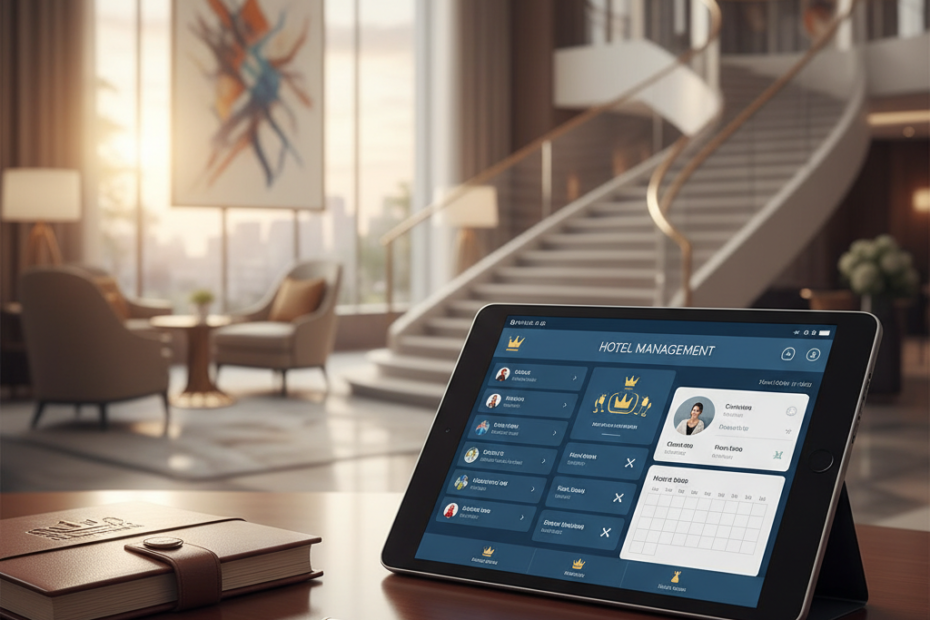
Luxury hotels face unique challenges that standard property management systems simply cannot address. From managing high-profile guest preferences to orchestrating seamless experiences across multiple touchpoints, luxury properties require sophisticated technology that matches their elevated service standards. The right hotel management software transforms operations, enhances guest satisfaction, and drives revenue while maintaining the personalized touch that defines luxury hospitality. In 2026, choosing the appropriate platform has become essential for properties competing in India’s growing luxury segment.
Understanding the Unique Needs of Luxury Properties
Luxury hotels operate differently from their mid-market counterparts. Guests expect personalized service that anticipates their needs before they articulate them. Staff must access detailed preference histories, from pillow firmness to preferred room temperature. The software must track these nuances across multiple stays and properties within a brand portfolio.
Revenue management becomes more complex at luxury properties. Dynamic pricing must balance occupancy with rate integrity, protecting brand positioning while optimizing income. The system needs to handle intricate package offerings, bespoke experiences, and high-value ancillary services that contribute significantly to total revenue. Integration with concierge services, spa bookings, and fine dining reservations creates a unified guest journey that feels effortless.
Essential Features for Luxury Hotel Management Software
The best hotel management software for luxury properties includes several critical capabilities. A robust guest profile system stores comprehensive preference data, special requests, and historical interactions. This information should be accessible to all guest-facing staff in real time, enabling personalized service at every touchpoint.
Advanced revenue management tools help properties optimize pricing strategies without compromising brand standards. The system should analyze market conditions, competitor rates, and demand patterns to suggest optimal pricing. For luxury properties, this means protecting rate floors while capturing premium revenue during high-demand periods.
Seamless integrations matter enormously. The platform must connect with property management systems, point-of-sale terminals, spa management software, and customer relationship management tools. These integrations eliminate data silos and ensure every department works from the same guest information. Mobile capabilities empower staff to deliver service anywhere on property, not just at fixed terminals.
Leading Luxury Hotel Technology Solutions in India
The Indian luxury hospitality market has grown substantially, attracting both international brands and homegrown properties. Several platforms have emerged as leaders in serving this segment. Cloud-based solutions offer flexibility and scalability, particularly valuable for hotel groups managing multiple properties across the country.
International platforms like Opera Cloud and Protel provide comprehensive functionality designed for luxury operations. These systems offer deep feature sets covering everything from reservations to housekeeping management. Their global presence means they integrate well with international distribution channels and loyalty programs, essential for properties attracting international guests.
Regional solutions have also gained traction by addressing India-specific requirements. These platforms understand local payment preferences, GST compliance, and regional market dynamics. Aiosell represents the new generation of luxury hospitality software India properties are adopting, combining international best practices with local market knowledge. The platform focuses on user experience and rapid implementation, reducing the disruption that often accompanies technology changes.
Implementation Strategies for Luxury Properties
Selecting software represents just the first step. Successful implementation requires careful planning and change management. Luxury properties cannot afford service disruptions during the transition period, making phased rollouts essential. Most successful implementations begin with back-office functions before moving to guest-facing systems.
Staff training determines whether new technology delivers its promised benefits. Luxury hotel employees need deep system knowledge to maintain service standards. Training should extend beyond basic functionality to cover how the software enables better guest experiences. Role-specific training ensures each department understands relevant features without overwhelming staff with unnecessary information.
Data migration presents particular challenges for established luxury properties with years of guest history. The luxury hotel software guide emphasizes clean data transfer, ensuring guest preferences and booking histories move accurately to the new system. Properties should plan for extensive testing before going live, validating that critical functions work correctly under real-world conditions.
Evaluating ROI and Performance Metrics
Luxury properties must justify significant software investments through measurable returns. Direct revenue impacts include improved occupancy through better distribution management and increased ancillary revenue from targeted upselling. The system should provide analytics showing how effectively the property captures revenue opportunities.
Operational efficiency gains translate to cost savings. Automated processes reduce manual work, allowing staff to focus on guest interactions rather than administrative tasks. Labor cost per occupied room typically decreases after implementation, though luxury properties maintain higher staffing levels than other segments to preserve service quality.
Guest satisfaction metrics provide crucial performance indicators. Repeat guest rates, online review scores, and direct booking percentages all reflect whether technology enhancements improve the guest experience. The best hotel management software platforms include dashboards tracking these metrics, helping management teams identify trends and opportunities.
Future Trends in Luxury Hospitality Technology
Artificial intelligence and machine learning are reshaping luxury hotel operations. Predictive analytics help properties anticipate guest needs before arrival, enabling proactive service delivery. Chatbots handle routine inquiries while routing complex requests to human staff, balancing efficiency with the personal touch luxury guests expect.
Contactless technology has evolved beyond pandemic necessity to become a luxury amenity. Mobile check-in, digital room keys, and in-room tablets provide convenience without sacrificing personalization. The challenge for luxury properties lies in offering these options while maintaining human connection for guests who prefer traditional service models.
Sustainability tracking has become essential as environmentally conscious travelers seek properties aligned with their values. Modern systems monitor energy consumption, waste reduction, and sustainable sourcing. This data helps properties communicate their environmental commitments credibly while identifying opportunities to reduce operational costs through efficiency improvements.
Conclusion
Choosing hotel management software for luxury properties requires balancing sophisticated functionality with operational simplicity. The right platform enhances rather than replaces the human elements that define luxury hospitality. Properties must evaluate options based on their specific needs, considering factors from integration capabilities to vendor support quality. As India’s luxury hospitality sector continues expanding, technology will increasingly differentiate properties that deliver exceptional experiences from those that merely promise them. Investment in the right luxury hotel technology solutions positions properties for sustained success in an increasingly competitive market.