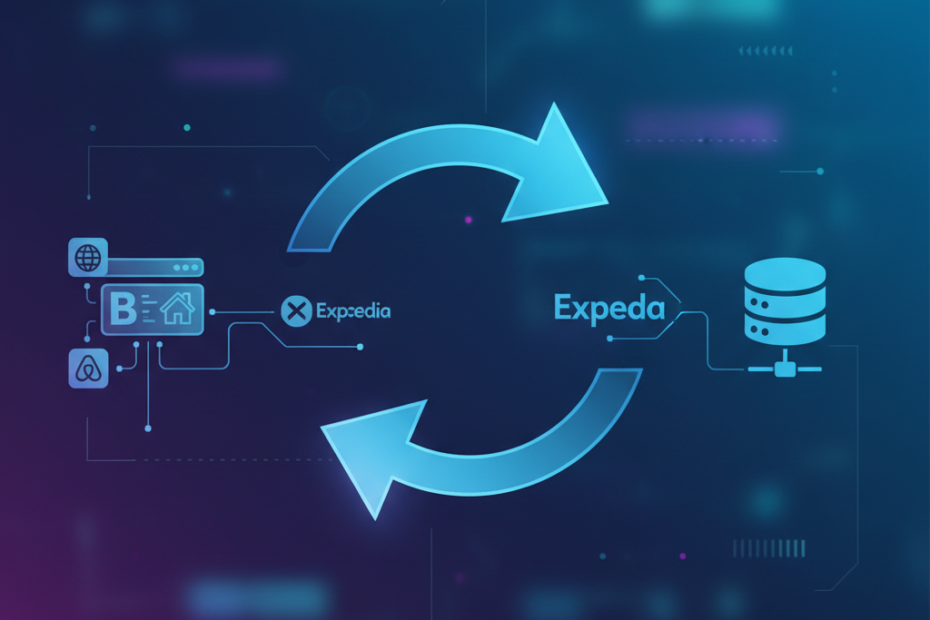
Managing a hotel means juggling dozens of online booking channels at once. Each platform needs accurate room availability, pricing updates, and reservation details. Without two-way connectivity in your channel manager, you’re stuck updating each channel manually. That wastes hours and invites costly mistakes. Two-way connectivity automates the flow of data between your property management system and every booking site you use. It updates inventory instantly and pulls reservations back into your system without human intervention. For modern hoteliers, this feature isn’t optional anymore. It’s the foundation of efficient operations and revenue growth.
What Channel Manager Two-Way Connectivity Actually Does
A channel manager with two-way connectivity sends information in both directions. When a guest books a room on Booking.com, the system instantly updates your property management system and reduces available inventory across all other channels. When you adjust rates in your PMS, those changes push out to Expedia, Airbnb, and every other connected platform within seconds. This bidirectional flow eliminates the need to log into multiple extranets or manually enter reservation details. The system handles everything automatically, keeping your data synchronized across all platforms in real time.
One-way connectivity only pushes data outward from your PMS to booking channels. You still need to manually enter reservations from each channel back into your system. Two-way connectivity closes that loop by pulling reservation data back automatically. It captures guest names, contact details, payment information, and special requests without any manual data entry. This distinction matters because manual entry creates bottlenecks and introduces human error into your workflow.
Why Hotels Can’t Operate Efficiently Without It
Manual updates create serious operational risks. A staff member might forget to update availability on one channel after a booking comes through another. That leads to overbookings, which damage your reputation and cost money to resolve. Two-way connectivity prevents these errors by updating all channels simultaneously. When inventory drops to zero, every booking site reflects that change within seconds. You avoid double bookings and maintain accurate availability across your entire distribution network.
Time savings add up quickly when you eliminate manual tasks. A property with ten active channels might spend three to four hours daily updating rates and availability without automation. Two-way connectivity reclaims those hours for higher-value work like guest service and revenue strategy. Your team can focus on improving the guest experience instead of copying data between systems. This efficiency becomes even more critical during peak seasons when booking volume increases and errors become more likely.
Real-Time Synchronization Protects Revenue
Dynamic pricing strategies require instant updates across all channels. If you raise rates on a high-demand weekend, those changes need to appear everywhere immediately. Two-way connectivity ensures your pricing strategy executes as planned without delays or gaps. You capture maximum revenue because every channel displays your current rates at all times. Slow or manual updates mean you might sell rooms at outdated prices, leaving money on the table.
The system also protects against inventory leakage. When a guest cancels a reservation, two-way connectivity reopens that inventory across all channels instantly. Without automation, that room might remain blocked on some platforms while competitors fill their properties. Real-time synchronization ensures you never miss a booking opportunity because your systems lagged behind market conditions. This responsiveness directly impacts your bottom line during competitive periods.
How Two-Way Connectivity Integrates With Your Tech Stack
Modern channel managers with two-way connectivity connect to your property management system through APIs. These application programming interfaces allow different software systems to exchange data automatically. The channel manager acts as a central hub, receiving updates from your PMS and distributing them to all connected booking channels. When reservations arrive from any channel, the system routes that data back to your PMS without human involvement. This architecture creates a seamless flow of information across your entire technology ecosystem.
Integration quality varies between providers. The best systems offer certified connections to major booking platforms and PMS solutions. These partnerships ensure reliable data transfer and quick troubleshooting when issues arise. Before choosing a channel manager, verify that it supports two-way connectivity with your specific PMS and all the channels you use. Some older systems claim two-way functionality but only support it for certain platforms or require manual workarounds for others.
Implementation Considerations for Hotel Operators
Setting up two-way connectivity requires careful mapping of room types and rate plans across all systems. Your PMS room categories need to match the room types you’ve created on each booking channel. Rate plans must align so the system knows which prices to push where. Most channel managers provide setup support to ensure these mappings work correctly from day one. Invest time in this initial configuration because errors create ongoing synchronization problems that undermine the entire system.
Staff training matters even with automation. Your team needs to understand how the system works and what to do when exceptions occur. They should know how to verify that updates are flowing correctly and recognize warning signs when something breaks. Regular audits help catch synchronization issues before they cause problems. Check a sample of bookings weekly to confirm that reservation details match across your PMS and booking channels. This vigilance ensures your two-way connectivity continues working as intended.
The Competitive Advantage of Automated Distribution
Properties using two-way connectivity respond faster to market changes than competitors relying on manual processes. You can adjust rates multiple times per day based on demand signals without creating extra work for your team. This agility helps you optimize revenue in real time while competitors lag behind with outdated pricing. The operational efficiency also reduces labor costs because you need fewer staff hours dedicated to channel management tasks. Those savings can fund guest experience improvements or marketing initiatives that drive more direct bookings.
Guest satisfaction improves when your systems work smoothly behind the scenes. Accurate availability prevents the frustration of declined bookings due to overbooking errors. Guests receive timely confirmations because reservation data flows instantly into your PMS and triggers automated communications. These small improvements add up to better reviews and higher repeat booking rates. In a competitive hospitality market, operational excellence creates differentiation that guests notice and reward with their loyalty.