A hotel has 60 rooms and expects high occupancy over the weekend. Several rooms need deep cleaning, but blocking too many rooms at once reduces the inventory available for incoming reservations. Managers need a schedule that maintains room condition without affecting daily bookings.
Planning deep-cleaning schedules without blocking inventory requires hotels to balance maintenance needs, occupancy forecasts and housekeeping capacity. A structured schedule helps teams clean rooms in manageable batches while keeping enough rooms available for guests.
Why Hotels Need a Planned Deep-Cleaning Schedule
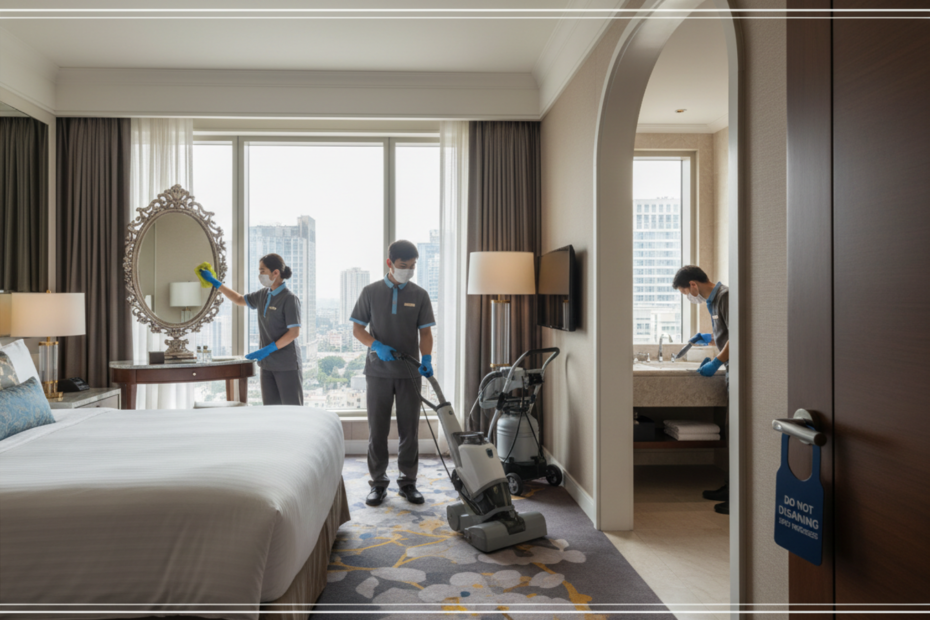
Daily housekeeping maintains basic room cleanliness. Deep cleaning addresses areas that routine cleaning might not cover regularly. These tasks include cleaning upholstery, curtains, mattresses, air-conditioning vents, bathroom fittings and hard-to-reach surfaces.
Without a planned schedule, hotels often face two problems. Deep cleaning gets postponed during busy periods, or too many rooms become unavailable when managers schedule the work together.
A structured approach helps hotels:
Maintain room cleanliness and presentation standards.
Reduce sudden room inventory shortages.
Plan housekeeping workloads in advance.
Identify rooms requiring additional attention.
Coordinate cleaning with maintenance activities.
Maintain availability during high-demand periods.
Assess Room Inventory Before Scheduling Deep Cleaning
Start by reviewing the hotel’s room inventory and expected occupancy. Managers should understand how many rooms are available, how many are reserved and which rooms require deep cleaning.
Review these details before preparing the schedule:
Occupancy Forecast
Check expected occupancy for the coming weeks. Identify low-demand dates and periods with fewer confirmed arrivals. These periods often provide better opportunities for deep cleaning.
Upcoming Reservations
Review confirmed bookings, group reservations, expected arrivals and special room requests. Avoid blocking rooms required for confirmed reservations.
Room Condition
Use housekeeping inspection records to identify rooms requiring immediate attention. Prioritise rooms with visible wear, recurring cleanliness complaints or overdue deep-cleaning tasks.
Staff Availability
Check the number of housekeeping employees available for deep cleaning. Consider routine room cleaning, leave schedules and expected workload before assigning additional tasks.
Maintenance Requirements
Identify rooms requiring repairs alongside deep cleaning. Coordinate both activities where practical to avoid blocking the same room multiple times.
How to Schedule Deep Cleaning Without Affecting Room Availability
Planning deep-cleaning schedules without blocking inventory starts with dividing the workload into smaller batches.
1. Divide Rooms Into Cleaning Batches
Avoid scheduling deep cleaning across an entire floor or room category at once. Divide rooms into smaller groups based on occupancy, room condition and housekeeping capacity.
For example, a 60-room hotel might schedule five rooms for deep cleaning during a suitable low-demand period. The number should reflect actual occupancy and available staffing.
2. Use Low-Occupancy Periods
Review historical occupancy patterns to identify suitable cleaning windows. Weekdays, seasonal gaps or periods between major bookings might offer more flexibility.
Do not assume every weekday has low demand. Check the current reservation forecast before blocking rooms.
3. Prioritise Rooms Based on Condition
Create a priority list using inspection results and guest feedback.
A practical priority system includes:
High priority: Rooms with visible deterioration or recurring cleanliness concerns.
Medium priority: Rooms approaching their planned deep-cleaning date.
Low priority: Rooms in good condition with no immediate deep-cleaning requirement.
Complete high-priority rooms first while protecting availability for confirmed guests.
4. Coordinate Deep Cleaning With Check-Outs
Where practical, schedule deep cleaning after guest check-out and before the next confirmed arrival. The available time depends on the cleaning work required.
Do not assume every vacant room is suitable for deep cleaning. Check the next arrival time and estimate the full duration of cleaning, drying, inspection and room preparation.
5. Release Rooms After Final Inspection
A room should return to available inventory only after deep cleaning and required inspections are complete.
The supervisor should verify cleanliness, equipment condition, linen, amenities and room presentation. Update the room status after approval.
Deep-Cleaning Schedules Without Blocking Inventory Checklist
Use this checklist before approving each deep-cleaning schedule.
Planning and Prioritisation
Review occupancy forecasts.
Check confirmed reservations and group bookings.
Identify rooms overdue for deep cleaning.
Review guest complaints and inspection records.
Prioritise rooms based on condition.
Estimate the time required for each task.
Confirm housekeeping staff availability.
Select suitable cleaning dates.
Room Blocking and Coordination
Block only the rooms required for the scheduled work.
Check room availability before confirming the schedule.
Avoid blocking rooms assigned to incoming guests.
Coordinate deep cleaning with maintenance work.
Inform reception about room status changes.
Review the schedule when reservations change.
Completion and Release
Complete assigned deep-cleaning tasks.
Check furniture, fittings and equipment.
Verify bathroom and bedroom cleanliness.
Replace required linen and guest supplies.
Complete supervisor inspection.
Record unresolved issues.
Update room status after approval.
Best Practices for Managing Deep-Cleaning Schedules
Deep-cleaning schedules without blocking inventory work best when managers review room demand and cleaning progress regularly.
Create a Monthly Deep-Cleaning Calendar
Prepare a monthly schedule showing which rooms require deep cleaning and the planned dates. Share the calendar with housekeeping, reception and maintenance teams.
Review the schedule weekly. Adjust room assignments when occupancy forecasts or reservations change.
Set a Room Blocking Limit
Define how many rooms the hotel should block at one time. Base the limit on expected occupancy, available room inventory and the urgency of cleaning work.
For example, a hotel with 60 rooms might limit deep-cleaning activity to three or four rooms during a high-demand period. During a low-occupancy period, managers might schedule a larger batch.
The limit should reflect actual booking demand rather than a fixed percentage.
Estimate Cleaning Duration Accurately
Different tasks require different amounts of time. Mattress cleaning, upholstery treatment and bathroom descaling might take longer than routine room preparation.
Ask supervisors to estimate task duration using previous cleaning records. Include drying time and final inspection when planning room release.
Combine Deep Cleaning With Maintenance
If a room already requires maintenance, review whether deep cleaning should happen during the same blocked period.
For example, a room scheduled for furniture repair might also receive upholstery cleaning. Coordinating both tasks reduces repeated room blocking.
Keep a Backup Room Plan
Unexpected bookings and guest requests might change room availability. Keep alternative rooms in the cleaning plan so supervisors have options when a scheduled room becomes necessary for an incoming guest.
Review Delayed Cleaning Tasks
Managers should track rooms repeatedly postponed because of high occupancy. Move overdue tasks into the next suitable schedule instead of removing them without a revised date.
Coordinate Housekeeping With Front-Desk and Maintenance Teams
Room availability depends on accurate communication between departments. Reception needs to know which rooms are blocked, while housekeeping needs updated information about incoming reservations.
Follow a standard coordination process:
The manager approves the deep-cleaning schedule.
Reception reviews upcoming bookings and room requirements.
Housekeeping receives the room list and task assignments.
Maintenance receives details of planned repair work.
Supervisors report cleaning progress and delays.
Housekeeping completes the final inspection.
Reception receives confirmation after room release.
When a new reservation changes the priority, the manager should review the schedule before moving the cleaning task. Avoid changing room status without informing the relevant departments.
Use Hotel Technology to Monitor Room Availability
Accurate reservation and room information helps managers make better scheduling decisions. A connected hotel system supports reservation visibility and front-desk workflows, depending on available features and integrations.
Aiosell supports hotel operations through connected reservation, front-desk and revenue management functions. Managers should review upcoming reservations and room availability before approving deep-cleaning batches.
Keep a separate deep-cleaning schedule or task register if the hotel’s existing system does not track these activities. Record blocked rooms, planned tasks, expected completion times and final inspection status.
Aiosell supports the wider hotel operations setup, while housekeeping supervisors remain responsible for cleaning standards and task completion.
KPIs to Measure Deep-Cleaning Performance
Managers should review both cleaning progress and room availability. Completing more deep-cleaning tasks does not indicate success if the schedule creates unnecessary inventory shortages.
KPI | What Managers Should Measure |
Deep-cleaning completion rate | Percentage of scheduled rooms completed |
Room blocking duration | Time each room remains unavailable |
Schedule adherence | Percentage of tasks completed on planned dates |
Room release delays | Time between cleaning completion and final approval |
Post-cleaning inspection failure rate | Percentage of rooms requiring additional work |
Post-cleaning complaints | Guest complaints linked to room condition |
Inventory impact | Number of rooms unavailable during cleaning periods |
Compare performance across room categories and occupancy periods. Use the results to adjust cleaning batches and staffing plans.
Conclusion
A planned deep-cleaning process helps Indian hotels maintain room standards while protecting available inventory. Managers should use occupancy forecasts, divide rooms into manageable batches and coordinate cleaning with maintenance activities.
Regular schedule reviews and accurate room-status updates help prevent unnecessary room blocking. With structured housekeeping procedures and connected hotel operations, Aiosell supports the reservation and front-desk workflows required for effective room availability management.
FAQs
How Often Should Hotels Deep Clean Guest Rooms?
Hotels should set deep-cleaning frequency according to room usage, property standards, inspection findings and the type of cleaning required. High-use rooms might need more frequent attention.
How Do Hotels Deep Clean Rooms Without Losing Bookable Inventory?
Schedule rooms in small batches, prioritise low-occupancy periods and review upcoming reservations before blocking rooms. Release each room after cleaning and final inspection.
Who Should Prepare the Hotel Deep-Cleaning Schedule?
The housekeeping manager or supervisor should prepare the schedule with input from hotel operations and front-desk teams. Management should review room availability before approving the plan.
Should Hotels Combine Deep Cleaning With Maintenance?
Yes, where tasks suit the same room-blocking period. Coordinating repairs and deep cleaning helps reduce repeated room closures and improves planning.
Which KPIs Help Track Deep-Cleaning Operations?
Useful measures include completion rate, room blocking duration, schedule adherence, room release delays, inspection failure rate and post-cleaning complaints.