Hotel department heads manage daily operations, employee performance and guest service standards. Their decisions affect room readiness, staff productivity, service quality and operating costs. Without clear performance measures, senior management often struggles to evaluate departmental results consistently.
Performance scorecards for department heads help hotel managers measure responsibilities through defined objectives and key performance indicators (KPIs). They give department heads a clear understanding of expectations and help management identify areas requiring improvement.
For Indian hotels, a structured scorecard should reflect the property’s size, service model, department responsibilities and business goals. This guide explains how HR managers and hotel leaders should develop and review department-level performance scorecards.
Why Performance Scorecards for Department Heads Matter
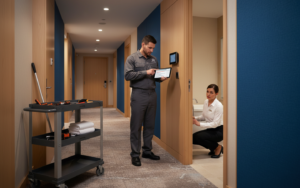
Each hotel department has different responsibilities. Housekeeping focuses on room readiness and cleanliness, while front office manages guest interactions, check-ins and check-outs. Food and beverage teams focus on service quality, order accuracy and operating efficiency.
A common evaluation method helps management compare performance against agreed objectives without treating every department in the same way.
A structured scorecard helps hotels:
Set clear expectations for department heads.
Connect departmental targets with hotel goals.
Identify operational problems early.
Review employee and team performance.
Improve accountability across departments.
Support training and development decisions.
Track progress over monthly or quarterly periods.
Identify the Right KPIs for Each Department
The first step is selecting measures linked to actual departmental responsibilities. Avoid using the same KPIs for every department. Each scorecard should reflect the work performed by the team.
Front Office
Front-office performance affects the guest experience from arrival to departure. Suitable KPIs include:
Guest complaint resolution time.
Check-in and check-out efficiency.
Reservation and billing accuracy.
Guest feedback scores.
Upselling performance.
Accuracy of daily reports.
Housekeeping
Housekeeping teams maintain room cleanliness and readiness. Their performance measures should include:
Room readiness within the required time.
Room inspection scores.
Cleaning task completion.
Guest complaints related to cleanliness.
Linen and inventory control.
Coordination with the front office.
Food and Beverage
Food and beverage departments manage restaurant, room service and banquet operations. Relevant KPIs include:
Guest feedback and service ratings.
Order accuracy.
Food wastage levels.
Inventory control.
Service time.
Revenue against departmental targets.
Maintenance
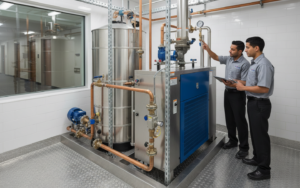
Maintenance teams support the property’s equipment and facilities. Their scorecards should measure:
Preventive maintenance completion.
Response time for reported issues.
Repeat equipment problems.
Pending maintenance requests.
Compliance with inspection schedules.
Maintenance-related guest complaints.
Set Clear and Measurable Performance Targets
After selecting KPIs, define measurable targets for each department head. Targets should reflect historical performance, hotel capacity and available resources.
For example, a housekeeping department head might have a target for completing room inspections before the expected check-in time. A front-office manager might have a target for resolving routine guest complaints within an agreed period.
Use the following principles when setting targets:
Make each target specific and easy to understand.
Use measurable indicators wherever possible.
Set realistic expectations based on staffing and workload.
Assign responsibility to the relevant department head.
Define the review period for every KPI.
Explain how management will calculate each result.
Avoid setting targets without reliable baseline data. Review previous records before introducing new performance expectations.
Performance Scorecards for Department Heads Checklist
HR managers and general managers should review the following points before introducing a scorecard:
Define the main responsibilities of each department.
Select relevant KPIs for every department head.
Set measurable targets and review periods.
Record the source of each performance metric.
Assign responsibility for collecting data.
Establish a consistent scoring method.
Explain expectations to department heads.
Schedule monthly or quarterly performance reviews.
Record feedback and agreed improvement actions.
Review targets when hotel operations change.
A standard checklist helps management maintain consistency across departments. It also reduces confusion about how performance results are measured.
Best Practices for Performance Scorecards for Department Heads
A scorecard should support better decisions. It should not become a document used only during appraisal meetings.
Balance Financial and Operational Measures
Revenue and cost indicators matter, but they do not show the full picture. Include service quality, team performance and operational efficiency.
For example, a department head should not receive a high performance rating only because the team reduced labour costs. Management should also review service quality and employee workload.
Use Reliable Data Sources
Collect information from operational reports, guest feedback, inspection records and departmental logs. Make sure managers understand how each KPI is calculated.
Avoid using incomplete records to make performance decisions. Data should cover the same review period for every department.
Keep the Scorecard Simple
Include a manageable number of KPIs. Too many indicators make reviews difficult and reduce focus on important responsibilities.
Select the measures with the strongest connection to departmental goals.
Review Performance Regularly
Conduct monthly reviews to identify operational gaps. Use quarterly meetings to assess longer-term progress and discuss development needs.
Department heads should receive feedback throughout the review period, rather than only during formal appraisals.
Connect Results with Improvement Plans
When a department misses a target, identify the reason before assigning corrective action. The issue might involve staffing shortages, outdated procedures, equipment problems or insufficient training.
Agree on specific actions, responsible employees and completion dates.
How Technology Supports Performance Monitoring
Hotel managers often collect performance information from several operational sources. Manual reporting takes time and makes regular reviews harder to maintain.
Hotel management technology helps teams access operational information and review business performance.
Aiosell provides integrated hotel management technology covering reservations, front-desk operations and revenue management. These connected systems help managers review booking activity and understand changes in demand.
Hotel managers using Aiosell should combine relevant operational information with departmental KPIs, employee feedback and service records. This approach gives management a broader view of hotel performance without treating software data as a replacement for employee evaluation.
How to Review and Improve Department Head Performance
A scorecard should lead to practical action. HR managers and general managers should follow a consistent review process.
Start by comparing actual results with agreed targets. Identify KPIs showing consistent improvement and those requiring attention.
Next, discuss the results with the department head. Ask about operational challenges, staffing requirements and support needed from other teams.
Prepare an improvement plan with:
The KPI requiring attention.
The reason for the performance gap.
The corrective action.
The responsible person.
The expected completion date.
The next review date.
Review progress during the following meeting. Update the scorecard when responsibilities, hotel operations or business priorities change.
Conclusion
Department-level performance measurement helps hotels connect daily responsibilities with business objectives. Managers should select relevant KPIs, define realistic targets and review results consistently.
Well-designed performance scorecards for department heads support accountability, identify operational gaps and guide employee development. Aiosell supports hotel operations through integrated technology for reservations, front-desk activities and revenue management. Hotels should combine operational information with structured performance reviews to improve departmental results.
FAQs
What is a performance scorecard for a hotel department head?
A performance scorecard is a structured document used to measure a department head’s results against defined responsibilities, KPIs and targets.
Which KPIs should hotels use for department heads?
KPIs depend on the department. Front office teams might track complaint resolution and check-in efficiency, while housekeeping teams might track room readiness and inspection results.
How often should hotels review department head performance?
Monthly reviews help managers track operational results. Quarterly reviews support broader performance discussions and development planning.
Should all hotel departments use the same scorecard?
No. Hotels should maintain a common evaluation structure while selecting KPIs based on each department’s responsibilities.
How do scorecards help hotel HR managers?
Scorecards give HR managers measurable information for performance reviews, training plans, employee development and management discussions.