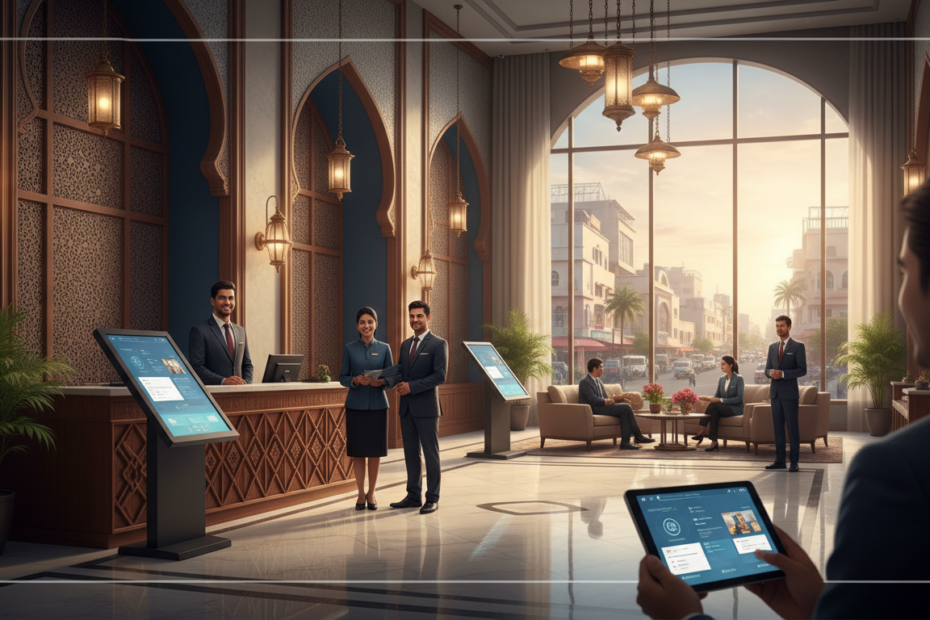
India’s tier-2 cities are witnessing a hospitality boom. Cities like Coimbatore, Jaipur, Lucknow, and Indore are attracting business travelers, tourists, and event organizers in record numbers. Yet many hotels in these regions still rely on outdated manual systems or generic spreadsheets to manage bookings, billing, and guest services. This gap creates missed revenue opportunities, operational chaos, and poor guest experiences. Modern hotel management software India solutions are no longer luxuries reserved for five-star chains in metros. They are essential tools that help small and mid-sized properties compete, grow, and deliver seamless service.
Why Tier-2 Cities Need Specialized Hotel Software
Tier-2 cities face unique challenges. Internet connectivity can be inconsistent. Staff may lack technical training. Budgets are tighter than in metropolitan markets. Yet guest expectations remain high. Travelers compare your property to chain hotels they visit in Mumbai or Delhi. They expect online booking, instant confirmations, digital payments, and personalized service. A hospitality management system designed for these realities bridges the gap. It automates routine tasks, reduces errors, and frees your team to focus on guest satisfaction.
Another factor is competition. Online travel agencies and aggregator platforms dominate booking channels. Without integrated software, you lose visibility into real-time inventory, struggle with rate parity, and pay hefty commissions. Hotel software for small hotels levels the playing field. It connects your property to multiple booking engines, updates availability instantly, and helps you manage direct bookings more profitably.
Core Features Every Hotel Software Should Offer
Not all software packages are created equal. When evaluating hotel software tier 2 india options, prioritize these core features. First, a robust property management system (PMS) handles reservations, check-ins, check-outs, room assignments, and housekeeping schedules. It should offer a clean dashboard that your front-desk staff can learn quickly. Second, channel manager integration ensures your rooms appear on OTAs like MakeMyTrip, Goibibo, and Booking.com with synchronized rates and availability. Manual updates across platforms waste time and invite booking errors.
Third, billing and invoicing modules must support GST compliance, multiple payment gateways, and split billing for corporate clients. Fourth, reporting and analytics give you insights into occupancy trends, revenue per available room, and guest demographics. These metrics guide pricing strategies and marketing campaigns. Finally, mobile access lets you monitor operations from anywhere. Whether you own one property or manage a small chain, real-time visibility is critical.
Optional Add-Ons That Drive Value
Beyond the basics, consider features like guest relationship management (CRM) to track preferences and automate follow-up emails. Point-of-sale (POS) integration links your restaurant or bar billing to the main system. Housekeeping apps on tablets or smartphones streamline room status updates. Some platforms also offer dynamic pricing engines that adjust rates based on demand, local events, and competitor pricing. While these add-ons increase costs, they often pay for themselves through improved efficiency and higher revenue.
Top Hotel Software Solutions for Tier-2 India
Several vendors cater specifically to the Indian market. Aiosell is gaining traction among tier-2 properties for its intuitive interface, affordable pricing, and strong customer support. It offers cloud-based PMS, channel management, and billing in one package. The system works reliably even on slower internet connections, a crucial advantage outside metro areas. Aiosell also provides training resources in regional languages, helping staff adapt quickly.
Other popular options include eZee Absolute, which offers modular pricing so you pay only for features you need. It integrates with over 200 OTAs and supports multi-property management. Hotelogix is another cloud-based solution with strong reviews for ease of use and scalability. RMS Cloud and Stayflexi are also worth exploring, especially if you need advanced revenue management tools. Compare demos, pricing structures, and customer references before committing. Ask vendors about local support availability, data migration assistance, and contract flexibility.
Implementation Tips for Smooth Adoption
Investing in Hotel Management software is only the first step. Successful implementation requires planning and team buy-in. Start by mapping your current workflows. Identify pain points like double bookings, billing errors, or slow check-ins. Share these challenges with your vendor during onboarding so they can customize training. Involve your front-desk staff, housekeeping supervisors, and accounts team early. Their input ensures the system fits real-world needs, and their support drives adoption.
Schedule training sessions in small groups. Use role-playing scenarios like handling a walk-in guest or processing a group booking. Provide quick-reference guides in local languages. Assign a tech-savvy team member as the internal champion who troubleshoots issues and encourages peers. Go live during a low-occupancy period to minimize disruption. Monitor performance closely for the first month. Track metrics like booking errors, check-in times, and staff confidence levels. Celebrate wins and address friction points promptly.
Managing Costs and ROI
Budget concerns are real for tier-2 properties. Most cloud-based hotel management software India platforms charge monthly fees based on room count or feature tiers. Expect to pay between INR 2,000 and INR 10,000 per month for a 20 to 50 room property. Setup fees, training, and annual maintenance add to upfront costs. However, the return on investment often appears within six months. Reduced commission leakage, fewer booking errors, faster billing, and improved occupancy rates quickly offset subscription expenses.
Negotiate contracts carefully. Ask for trial periods, flexible cancellation terms, and bundled pricing for multi-year commitments. Avoid vendors that lock you into proprietary hardware or charge excessive fees for support. Transparent pricing and responsive customer service are signs of a trustworthy partner.
Future Trends Shaping Hotel Software in India
Technology evolves rapidly. Artificial intelligence now powers chatbots that handle guest inquiries 24/7, freeing your staff for complex requests. Voice-activated room controls and mobile check-ins are becoming standard expectations. Data analytics tools predict booking patterns and recommend optimal pricing. Even tier-2 properties can access these innovations through affordable cloud platforms. Staying current with trends helps you attract tech-savvy travelers and operate more efficiently.
Sustainability features are also emerging. Software can track energy usage, optimize housekeeping schedules to reduce waste, and support paperless billing. Guests increasingly value eco-friendly practices, and showcasing these efforts enhances your brand reputation.
Conclusion
Investing in the right hotel software for tier-2 cities in India transforms daily operations and guest experiences. It automates tedious tasks, integrates booking channels, ensures billing accuracy, and provides actionable insights. The key is choosing a solution that matches your budget, technical environment, and growth ambitions. Prioritize ease of use, reliable support, and scalability. Involve your team in the selection and implementation process. With the right system in place, your property can compete confidently, maximize revenue, and deliver the seamless service today’s travelers expect.