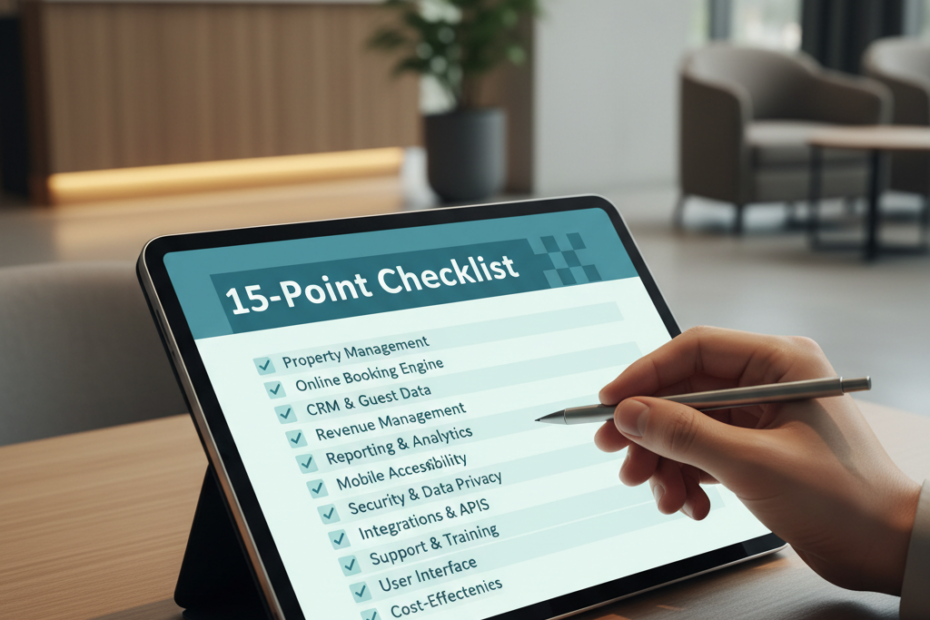
Choosing the right hotel management software can transform your property’s operations, boost revenue, and improve guest satisfaction. But with hundreds of platforms on the market, the decision can feel overwhelming. A poor choice leads to wasted budgets, frustrated staff, and operational headaches. This comprehensive checklist breaks down the 15 most critical factors you need to evaluate before signing any contract. Whether you run a boutique inn or a multi-property chain, these points will help you make a confident, informed decision.
Understanding Your Core Requirements
Before you explore any vendor, define what your property truly needs. Start by listing your daily pain points. Do you struggle with manual booking errors? Is your front desk drowning in paperwork? Are you losing revenue because you can’t manage rates dynamically? Write down these challenges and rank them by urgency. This exercise creates a clear baseline for evaluating every software option.
Next, involve your team. Your front desk staff, housekeeping managers, and finance department all interact with different parts of your operations. Ask them what features would make their jobs easier. A system that looks perfect on paper may fail if it doesn’t address real workflow needs. Gathering input early prevents costly mistakes and ensures better adoption later.
1. Cloud-Based vs. On-Premise Deployment
Cloud-based hotel software has become the industry standard in 2026. It offers remote access, automatic updates, and lower upfront costs. You can check reservations from anywhere, and your data stays secure through redundant backups. On-premise systems still exist but require significant IT infrastructure and maintenance. For most hotels, especially small to mid-sized properties, cloud solutions deliver better value and flexibility.
2. Property Management System Integration
Your hotel software should integrate seamlessly with your existing property management system (PMS). Check whether the platform connects with your current tools or if it includes a built-in PMS. Poor integration creates data silos, forcing staff to enter information multiple times. This wastes time and increases errors. Ask vendors for a list of compatible systems and request live demonstrations of data flowing between platforms.
3. Channel Manager Capabilities
A robust channel manager distributes your inventory across online travel agencies, your direct booking site, and other sales channels. It updates availability in real time, preventing overbookings and rate discrepancies. Verify that the software connects to the channels that matter most for your market. Popular platforms like Booking.com, Expedia, and Airbnb should be standard, but regional channels may also be critical depending on your location.
4. Revenue Management Tools
Dynamic pricing can increase your revenue by 10 to 25 percent when done correctly. Look for software that includes revenue management features or integrates with specialized tools. The system should analyze market demand, competitor rates, and historical data to suggest optimal pricing. Some platforms now use artificial intelligence to automate these adjustments, saving you hours of manual work while maximizing occupancy and average daily rates.
5. Booking Engine and Direct Reservations
Your booking engine is your direct sales channel. It should be mobile-responsive, fast, and easy to use. Test it yourself on different devices and browsers. A clunky booking process drives guests to third-party sites, costing you commission fees. The best engines also support upselling, allowing guests to add room upgrades, early check-in, or extra services during the reservation process.
6. Guest Communication and CRM
Modern hotel software should help you build lasting guest relationships. Look for built-in customer relationship management (CRM) tools that track guest preferences, stay history, and special requests. Automated email campaigns can nurture repeat bookings, while SMS notifications keep guests informed about their reservations. Personalized communication turns one-time visitors into loyal customers who book directly and recommend your property to others.
7. Housekeeping and Maintenance Management
Efficient housekeeping coordination directly impacts guest satisfaction and room turnover speed. Your software should allow housekeepers to update room status in real time through mobile devices. Maintenance teams need a simple way to log and track repair requests. This visibility prevents delays and ensures rooms are ready when guests arrive. Some systems even predict maintenance needs based on usage patterns, helping you prevent costly breakdowns.
8. Reporting and Analytics
Data drives better decisions. Your hotel software should offer comprehensive reports on occupancy, revenue, guest demographics, and channel performance. Customizable dashboards let you monitor key metrics at a glance. Advanced analytics identify trends and opportunities you might otherwise miss. Make sure you can export data easily for further analysis or to share with stakeholders.
9. Payment Processing and Security
Payment security is non-negotiable. Verify that the software complies with Payment Card Industry Data Security Standard (PCI DSS) requirements. It should support multiple payment methods, including credit cards, digital wallets, and local payment options relevant to your market. Integrated payment processing reduces manual entry and speeds up transactions. Ask about transaction fees and compare them across vendors.
10. Mobile Accessibility
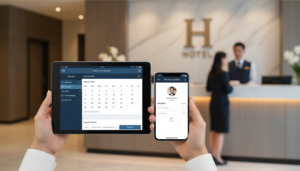
Hotel management doesn’t stop when you leave the property. Mobile apps let you and your staff access critical information anywhere. Front desk teams can check in guests using tablets. Managers can approve requests and monitor operations remotely. Housekeepers can update room status from their phones. Test the mobile interface thoroughly, as a poorly designed app can frustrate users and reduce adoption.
11. Scalability and Multi-Property Support
Even if you currently manage one property, consider your growth plans. Will the software scale as you add rooms or open new locations? Multi-property features become essential if you expand. The system should allow centralized management while maintaining property-level control. Switching software later is expensive and disruptive, so choose a platform that can grow with your business.
12. Training and Customer Support
The best software is useless if your team can’t use it effectively. Evaluate the vendor’s training programs. Do they offer on-site training, video tutorials, or live webinars? How accessible is their support team when issues arise? Check reviews from current users about response times and problem resolution. Platforms like Aiosell emphasize comprehensive onboarding and ongoing support, recognizing that successful hotel software implementation depends on strong vendor partnerships.
13. Pricing Structure and Hidden Costs
Understand the total cost of ownership before committing. Some vendors charge per room, others per user or booking. Watch for hidden fees like setup costs, training charges, or premium support packages. Ask about price increases and contract terms. Calculate the return on investment by estimating time savings, reduced errors, and potential revenue gains. The cheapest option isn’t always the best value.
14. User Reviews and Vendor Reputation
Research what other hoteliers say about the software. Independent review sites provide unfiltered feedback about reliability, customer service, and real-world performance. Look for patterns in complaints or praise. Connect with other hotel managers who use the system and ask about their experiences. A vendor’s reputation often predicts your future satisfaction better than any sales pitch.
15. Integration Capabilities and Future Readiness
Hotel operations rely on multiple systems working together. Beyond your PMS, check whether the software integrates with channel managers, booking engines, revenue management systems (RMS), accounting software, payment gateways, point-of-sale (POS) systems, CRM tools, and guest messaging platforms. Open APIs and a strong integration ecosystem reduce manual work and make it easier to adopt new technologies as your business grows.
Future-ready hotel management software should also support AI-powered automation, contactless guest experiences, and evolving distribution channels. Choosing a platform that continuously invests in innovation helps protect your investment over the long term.
Why an All-in-One Hotel Management Platform Simplifies Operations
Many hotels still rely on separate systems for reservations, distribution, pricing, guest communication, and reporting. While this may seem manageable, disconnected platforms often lead to manual data entry, inconsistent information, and higher operational costs.
An integrated hotel management platform brings these functions together in a single system. Reservations update inventory automatically across all booking channels, pricing adjusts based on demand, guest information stays synchronized, and managers gain complete visibility into hotel performance through centralized reporting.
For growing hotels, an all-in-one approach not only improves operational efficiency but also creates a better experience for both staff and guests.
Final Thoughts
Choosing hotel management software is a long-term business decision that affects every aspect of your property’s operations. Beyond comparing features, evaluate how well each platform aligns with your workflows, growth plans, and guest experience goals.
Use this 15-point checklist to assess every vendor consistently. Prioritize platforms that combine property management, channel management, revenue optimization, reporting, and guest engagement into a connected ecosystem. The right solution should reduce manual work, improve operational efficiency, and help your hotel maximize revenue while delivering exceptional guest experiences.
Whether you’re replacing legacy software or investing in your first hotel management system, taking the time to evaluate each of these factors will help you choose a platform that supports your business for years to come.